 Bird Album
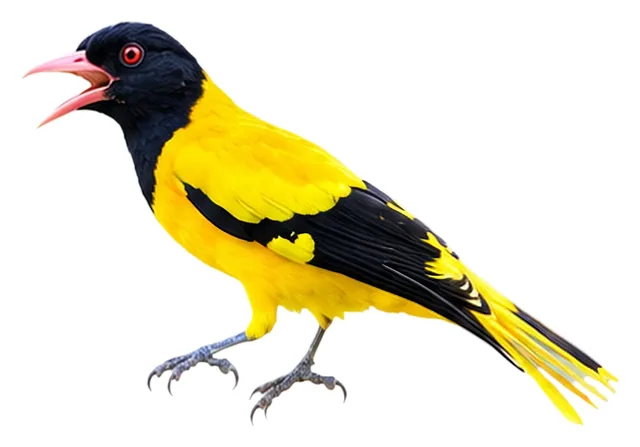
Black-hooded Oriole
Oriolus xanthornus (Linnaeus, 1758)
≈24 cmLength56 gWeight
The male is mainly yellow with a black hood and black on the wings and center of the tail.
Busiest months: February · Most records: India, Sri Lanka, Bangladesh
How to identify
Field marks
- Male head black
- Male body mainly yellow
- Male wings and center of tail black
Male, female and young
Female duller, with greenish underparts; juvenile resembles the female, with many dark streaks below and a head, especially the throat, that is not entirely black.
Where and when it's recorded
Busiest months: February · Most records: India, Sri Lanka, Bangladesh

Black-hooded Oriole has been recorded at 407 of the 8,276 birding hotspots we track, in 11 countries and regions.
Records by month Northern Hemisphere
Where it's recorded most
- Kanha NP – Mukki ZoneIndia8,868 records
- Kerala Agricultural UniversityIndia2,531 records
- Rabindra SarovarIndia2,386 records
More places
- Thrissur Government Medical CollegeIndia2,382 records
- Wildlife Institute of IndiaIndia2,273 records
- Kanha NP – Kanha ZoneIndia1,931 records
- Kanha Tiger Reserve – Mukki GateIndia1,850 records
- Salim Ali Centre for Ornithology and Natural HistoryIndia1,331 records
- Kanha Tiger ReserveIndia1,186 records
- Banjar River, ChaukitolaIndia1,140 records
Countries and regions with the most records
eBird records via GBIF up to 2024-12-31. A record means someone listed it; more records partly mean more birders, not more birds.
About
The black-hooded oriole (Oriolus xanthornus) is a member of the oriole family of passerine birds and is a resident breeder in tropical southern Asia from India and Sri Lanka east to Indonesia.
Excerpt from Wikipedia, CC BY-SA 4.0 · authors · Read more on Wikipedia
Questions
How big is the Black-hooded Oriole?
The Black-hooded Oriole is about ≈24 cm long and weighs around 56 g.
Where does the Black-hooded Oriole live?
Its breeding range: Oriental: northern India through Southeast Asia to Borneo. It is most often recorded in India, Sri Lanka and Bangladesh.
When is the best time to see the Black-hooded Oriole?
At the hotspots we track, it is recorded most in February (Northern Hemisphere).
Is the Black-hooded Oriole endangered?
The IUCN Red List classifies the Black-hooded Oriole as Least Concern.
What does the Black-hooded Oriole eat?
Main food: Fruit.
What family is the Black-hooded Oriole in?
It belongs to the family Figbirds, Old World Orioles, Piopios (Oriolidae), order Passerines (Passeriformes).
At a glance
- Length
- ≈24 cm
- Weight
- 56 g
- Habitat
- Forest
- Diet
- Fruit
- Lifestyle
- Perches in trees
- Migration
- Resident (barely migrates)
- Conservation
- Least Concern
More measurements
- Wing
- 134 mm
- Tail
- 83 mm
- Bill
- 30 mm
- Tarsus
- 24 mm
Averages from the AVONET dataset; length from field guides where available.
Range
Oriental: northern India through Southeast Asia to Borneo
Breeding range, IOC World Bird List 15.2
Classification
- Order
- Passerines Passeriformes
- Family
- Figbirds, Old World Orioles, Piopios Oriolidae
- Genus
- Oriolus
Other birds in the genus Oriolus
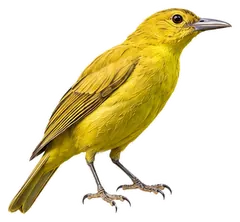 Isabela OrioleOriolus isabellae
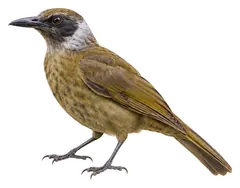 Grey-collared OrioleOriolus forsteni
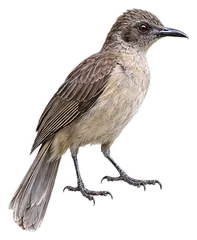 Black-eared OrioleOriolus bouroensis
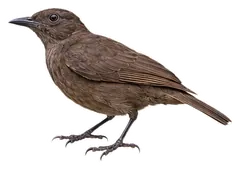 Dusky-brown OrioleOriolus phaeochromus
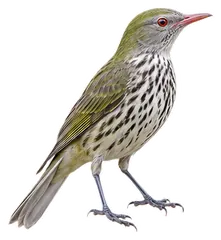 Olive-backed OrioleOriolus sagittatus
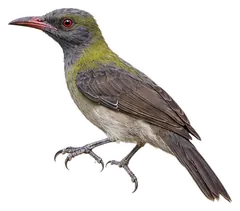 Timor OrioleOriolus melanotis
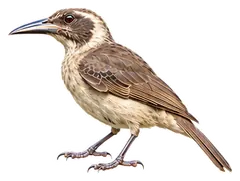 Wetar OrioleOriolus finschi
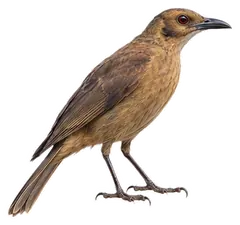 Tanimbar OrioleOriolus decipiens
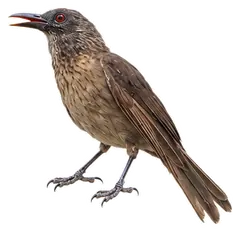 Brown OrioleOriolus szalayi
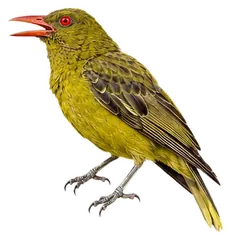 Green OrioleOriolus flavocinctus
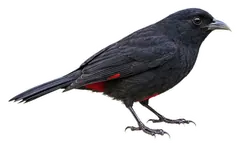 Javan OrioleOriolus cruentus
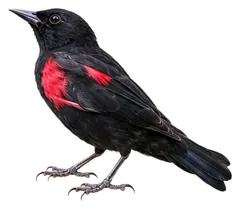 Black-and-crimson OrioleOriolus consanguineus
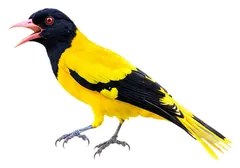
Download illustration
Free to use with credit: “Illustration: Bird Album (birdalbum.com)”. Drawn by AI from a reference photo by Sharma BC. ↗
Heard it but can't see it? Mingji identifies birds by sound and photo, on your phone.
In other languages
- EnglishBlack-hooded Oriole
- 简体中文黑头黄鹂
- 繁體中文黑頭黃鸝
- 日本語ズグロコウライウグイス
- DeutschBengalenpirol
- FrançaisLoriot à capuchon noir
- EspañolOropéndola encapuchada
- Portuguêspapa-figos-de-capuz
- ItalianoOriolo monaco
- NederlandsZwartkopwielewaal
- РусскийЧерноголовая иволга
- Svenskaorientgylling
- DanskOrientalsk Hættepirol
- Polskiwilga złotogrzbieta