 Bird Album
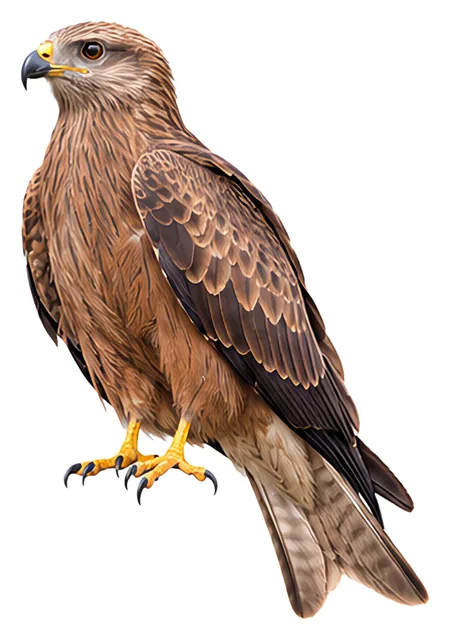
Black Kite
Milvus migrans (Boddaert, 1783)
58–69 cmLength152 cmWingspan734 gWeight
This rufous-black raptor has a slightly forked tail and often circles on rising air currents.
Busiest months: February · Most records: India, Spain, China
How to identify
Field marks
- Body rufous-brown; head and neck paler with white patches
- Tail slightly forked, resembling a fish tail when closed
- Two conspicuous white patches on underwings
- Base of the bill yellow, upper mandible black
Male, female and young
Sexes alike in appearance, female slightly larger; juvenile has down and white patches, with white streaks on underparts.
Voice
Usually a melodious “fee~ee~ee~yu~” with a trembling ending; alarm call short, like “fee-er-er”.
Where and when it's recorded
Busiest months: February · Most records: India, Spain, China

Black Kite has been recorded at 3,261 of the 8,276 birding hotspots we track, in 147 countries and regions.
Records by month Northern Hemisphere
Where it's recorded most
- GKVK CampusIndia18,416 records
- Observatorio de CazallaSpain12,379 records
- Fergusson College CampusIndia11,708 records
More places
- Wildlife Institute of IndiaIndia7,574 records
- Western Treatment PlantAustralia6,730 records
- Algeciras – Observatorio de AlgarroboSpain6,422 records
- Taipei – Tianliaoyang WetlandTaiwan (China)5,938 records
- SunkadakatteIndia5,794 records
- Canara Bank LayoutIndia5,046 records
- IIT BombayIndia4,406 records
Countries and regions with the most records
eBird records via GBIF up to 2024-12-31. A record means someone listed it; more records partly mean more birders, not more birds.
About
The black kite or fire kite (Milvus migrans) is a medium-sized bird of prey in the family Accipitridae, which also includes many other diurnal raptors. It is thought to be the world's most abundant species of Accipitridae, although some populations have experienced dramatic declines or fluctuations. Current global population estimates run up to 6.7 million individuals.
Excerpt from Wikipedia, CC BY-SA 4.0 · authors · Read more on Wikipedia
Questions
How big is the Black Kite?
The Black Kite is about 58–69 cm long, with a wingspan of 152 cm and weighs around 734 g.
Where does the Black Kite live?
Its breeding range: Palearctic, Africa, Oriental, Australasia: widespread. It is most often recorded in India, Spain and China.
When is the best time to see the Black Kite?
At the hotspots we track, it is recorded most in February (Northern Hemisphere).
Is the Black Kite endangered?
The IUCN Red List classifies the Black Kite as Least Concern.
What does the Black Kite eat?
Main food: Omnivore.
What family is the Black Kite in?
It belongs to the family Kites, Hawks, Eagles (Accipitridae), order Accipitriformes.
At a glance
- Length
- 58–69 cm
- Wingspan
- 152 cm
- Weight
- 734 g
- Habitat
- Woodland
- Diet
- Omnivore
- Lifestyle
- Feeds in the air
- Migration
- Migratory
- Conservation
- Least Concern
More measurements
- Wing
- 457 mm
- Tail
- 270 mm
- Bill
- 40 mm
- Tarsus
- 51 mm
Averages from the AVONET dataset; length from field guides where available.
Range
Palearctic, Africa, Oriental, Australasia: widespread
Breeding range, IOC World Bird List 15.2
Subspecies · 2
- Milvus migrans govinda e Pakistan and India to sw Asia and w Yunnan (s China)
- Milvus migrans formosanus Taiwan (China) and Hainan (off se China)
Classification
- Order
- Accipitriformes
- Family
- Kites, Hawks, Eagles Accipitridae
- Genus
- Milvus
Other birds in the genus Milvus
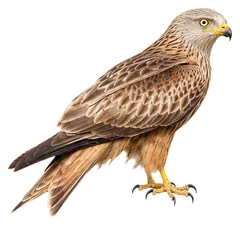 Red KiteMilvus milvus
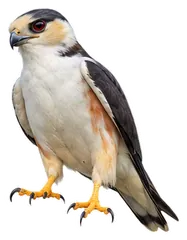 Pearl KiteGampsonyx swainsonii
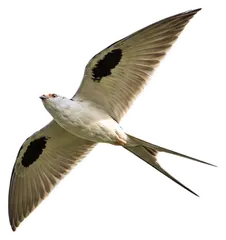 Scissor-tailed KiteChelictinia riocourii
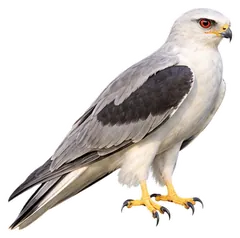 White-tailed KiteElanus leucurus
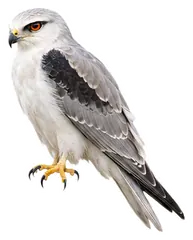 Black-winged KiteElanus caeruleus
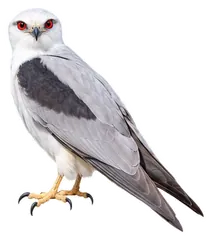 Black-shouldered KiteElanus axillaris
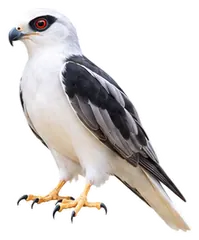 Letter-winged KiteElanus scriptus
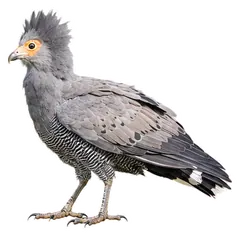 African Harrier-HawkPolyboroides typus
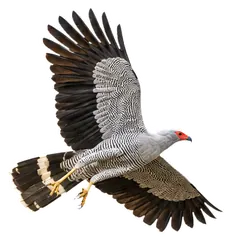 Madagascar Harrier-HawkPolyboroides radiatus
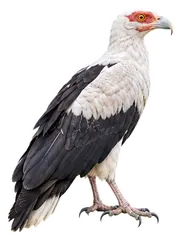 Palm-nut VultureGypohierax angolensis
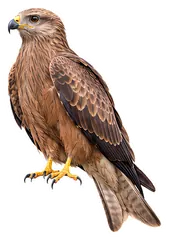
Download illustration
Free to use with credit: “Illustration: Bird Album (birdalbum.com)”. Drawn by AI from a reference photo by Andreas Trepte. ↗

Heard it but can't see it? Mingji identifies birds by sound and photo, on your phone.