 Bird Album
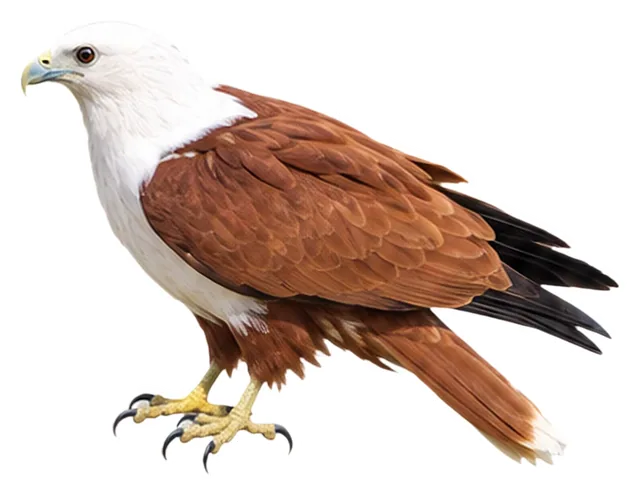
Brahminy Kite
Haliastur indus (Boddaert, 1783)
45–51 cmLength118 cmWingspan529 gWeight
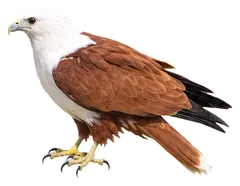
It has a chestnut body, a white head and breast, and black wingtips.
Busiest months: December–February · Most records: India, Australia, Singapore
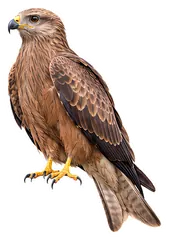
Looks like Black Kite
How to identify
Field marks
- Head and breast white
- Body chestnut
- Wingtips black
- Tail rounded, not forked
Male, female and young
Juvenile rufous-tinged; paler and shorter-winged than resident and migratory groups of Asian Black Kite, with a rounded tail.
Voice
A cat-like “keeyew” call.
Similar species
Where and when it's recorded
Busiest months: December–February · Most records: India, Australia, Singapore

Brahminy Kite has been recorded at 798 of the 8,276 birding hotspots we track, in 20 countries and regions.
Records by month Northern Hemisphere
Where it's recorded most
- Changaram Wetlands – EzhupunnaIndia5,393 records
- Saul Kere / Sowl KereIndia3,906 records
- GKVK CampusIndia3,655 records
More places
- Hoskote / Hosakote KereIndia2,721 records
- Hessaraghatta KereIndia2,376 records
- KattampallyIndia2,351 records
- Doddanekundi KereIndia2,336 records
- Lalbagh Botanical GardensIndia2,000 records
- Madayi ParaIndia1,992 records
- Krishnampathi Lake, SeeranaickenpalayamIndia1,854 records
Countries and regions with the most records
eBird records via GBIF up to 2024-12-31. A record means someone listed it; more records partly mean more birders, not more birds.
About
The brahminy kite (Haliastur indus), also known as the red-backed sea-eagle, is a medium-sized bird of prey in the family Accipitridae, which also includes many other diurnal raptors, such as eagles, buzzards, and harriers, found in the Indian subcontinent, Southeast Asia, and Australia. The brahminy kite is found mainly on the coast and in inland wetlands, where it feeds on dead fish and other prey. Adults have a reddish-brown body plumage contrasting with their white head and breast which make them easy to distinguish from other birds of prey.
Excerpt from Wikipedia, CC BY-SA 4.0 · authors · Read more on Wikipedia
Questions
How big is the Brahminy Kite?
The Brahminy Kite is about 45–51 cm long, with a wingspan of 118 cm and weighs around 529 g.
Where does the Brahminy Kite live?
Its breeding range: Oriental, Australasia: Pakistan to Indonesia, Philippines, New Guinea and satellites, coastal Australia (except southern, Tasmania), Bismarck Archipelago and Solomon Islands. It is most often recorded in India, Australia and Singapore.
When is the best time to see the Brahminy Kite?
At the hotspots we track, it is recorded most in January, February and December (Northern Hemisphere).
Is the Brahminy Kite endangered?
The IUCN Red List classifies the Brahminy Kite as Least Concern.
What does the Brahminy Kite eat?
Main food: Omnivore.
What family is the Brahminy Kite in?
It belongs to the family Kites, Hawks, Eagles (Accipitridae), order Accipitriformes.
At a glance
- Length
- 45–51 cm
- Wingspan
- 118 cm
- Weight
- 529 g
- Habitat
- Coast & tidal flats
- Diet
- Omnivore
- Lifestyle
- Varied
- Migration
- Resident (barely migrates)
- Conservation
- Least Concern
More measurements
- Wing
- 400 mm
- Tail
- 204 mm
- Bill
- 49 mm
- Tarsus
- 48 mm
Averages from the AVONET dataset; length from field guides where available.
Range
Oriental, Australasia: Pakistan to Indonesia, Philippines, New Guinea and satellites, coastal Australia (except southern, Tasmania), Bismarck Archipelago and Solomon Islands
Breeding range, IOC World Bird List 15.2
Subspecies · 1
- Haliastur indus indus India to s China and Vietnam
Classification
- Order
- Accipitriformes
- Family
- Kites, Hawks, Eagles Accipitridae
- Genus
- Haliastur
Other birds in the genus Haliastur
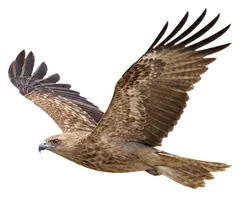 Whistling KiteHaliastur sphenurus
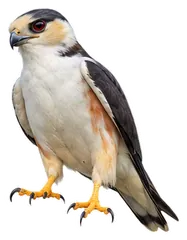 Pearl KiteGampsonyx swainsonii
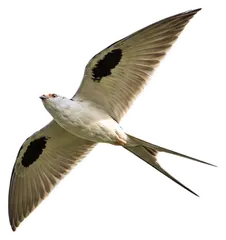 Scissor-tailed KiteChelictinia riocourii
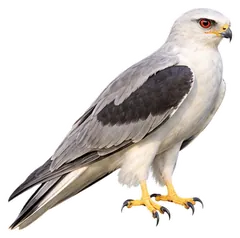 White-tailed KiteElanus leucurus
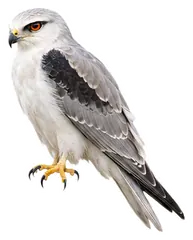 Black-winged KiteElanus caeruleus
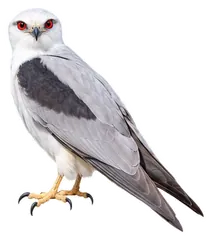 Black-shouldered KiteElanus axillaris
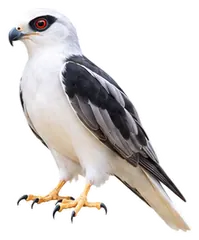 Letter-winged KiteElanus scriptus
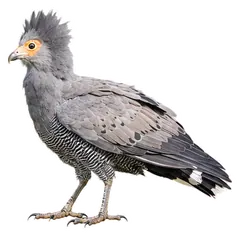 African Harrier-HawkPolyboroides typus
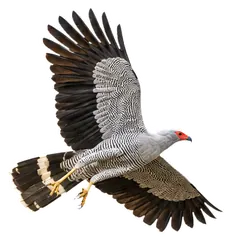 Madagascar Harrier-HawkPolyboroides radiatus
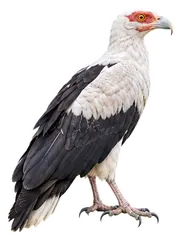 Palm-nut VultureGypohierax angolensis
Download illustration
Free to use with credit: “Illustration: Bird Album (birdalbum.com)”. Drawn by AI from a reference photo by larivera. ↗
Heard it but can't see it? Mingji identifies birds by sound and photo, on your phone.