 Bird Album
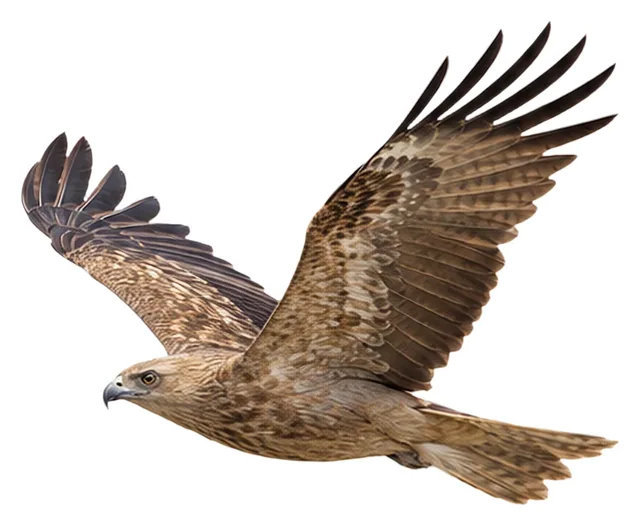
Whistling Kite
Haliastur sphenurus (Vieillot, 1818)
753 gWeight
The whistling kite (Haliastur sphenurus) is a medium-sized diurnal raptor found throughout Australia (including coastal islands), New Caledonia and much of New Guinea (excluding the central mountains and the northwest).
Busiest months: July–October · Most records: Australia, Papua New Guinea, New Caledonia
Where and when it's recorded

Whistling Kite has been recorded at 245 of the 8,171 birding hotspots we track, in 4 countries and regions.
Records by month Southern Hemisphere
Where it's recorded most
- Western Treatment PlantAustralia7,818 records
- Bowra Wildlife SanctuaryAustralia3,157 records
- Lake Samsonvale – Golds Scrub LaneAustralia2,888 records
More places
- Townsville Town Common Conservation ParkAustralia2,626 records
- Broome Bird ObservatoryAustralia2,473 records
- Alice Springs Sewage PondsAustralia1,603 records
- Herdsman LakeAustralia1,587 records
- Serendip SanctuaryAustralia1,469 records
- Fogg Dam Conservation ReserveAustralia1,468 records
- Broome South Wastewater Treatment PlantAustralia1,403 records
Countries and regions with the most records
eBird records via GBIF up to 2024-12-31. A record means someone listed it; more records partly mean more birders, not more birds.
About
The whistling kite (Haliastur sphenurus) is a medium-sized diurnal raptor found throughout Australia (including coastal islands), New Caledonia and much of New Guinea (excluding the central mountains and the northwest). Also called the whistling eagle or whistling hawk, it is named for its loud whistling call, which it often gives in flight. Some authorities put this species in the genus Milvus, despite marked differences in behaviour, voice and plumage between this species and other members of that genus.
Excerpt from Wikipedia, CC BY-SA 4.0 · authors · Read more on Wikipedia
Questions
How big is the Whistling Kite?
The Whistling Kite weighs around 753 g.
Where does the Whistling Kite live?
Its breeding range: Australasia: Australia, south-central, northeastern, southeastern New Guinea and Grande Terre (New Caledonia). It is most often recorded in Australia, Papua New Guinea and New Caledonia.
When is the best time to see the Whistling Kite?
At the hotspots we track, it is recorded most in July, August, September and October (Southern Hemisphere).
Is the Whistling Kite endangered?
The IUCN Red List classifies the Whistling Kite as Least Concern.
What does the Whistling Kite eat?
Main food: Omnivore.
What family is the Whistling Kite in?
It belongs to the family Kites, Hawks, Eagles (Accipitridae), order Accipitriformes.
At a glance
- Weight
- 753 g
- Habitat
- Wetland
- Diet
- Omnivore
- Lifestyle
- Feeds in the air
- Migration
- Resident (barely migrates)
- Conservation
- Least Concern
More measurements
- Wing
- 407 mm
- Tail
- 264 mm
- Bill
- 40 mm
- Tarsus
- 59 mm
Averages from the AVONET dataset; length from field guides where available.
Range
Australasia: Australia, south-central, northeastern, southeastern New Guinea and Grande Terre (New Caledonia)
Breeding range, IOC World Bird List 15.2
Classification
- Order
- Accipitriformes
- Family
- Kites, Hawks, Eagles Accipitridae
- Genus
- Haliastur
Other birds in the genus Haliastur
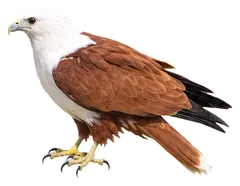 Brahminy KiteHaliastur indus
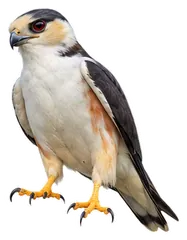 Pearl KiteGampsonyx swainsonii
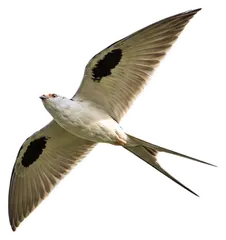 Scissor-tailed KiteChelictinia riocourii
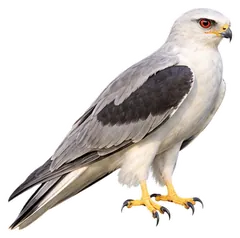 White-tailed KiteElanus leucurus
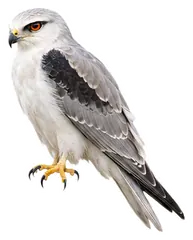 Black-winged KiteElanus caeruleus
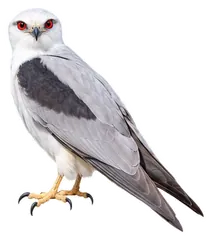 Black-shouldered KiteElanus axillaris
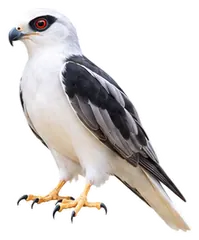 Letter-winged KiteElanus scriptus
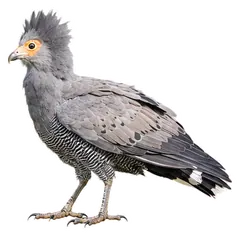 African Harrier-HawkPolyboroides typus
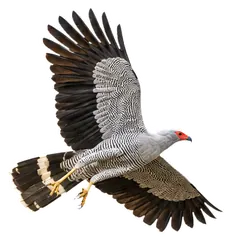 Madagascar Harrier-HawkPolyboroides radiatus
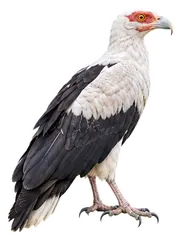 Palm-nut VultureGypohierax angolensis
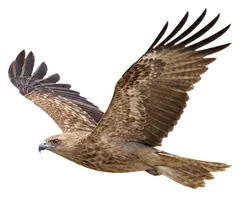
Download illustration
Free to use with credit: “Illustration: Bird Album (birdalbum.com)”. Drawn by AI from a reference photo by Jonathan Cence. ↗
Heard it but can't see it? Mingji identifies birds by sound and photo, on your phone.