 Bird Album
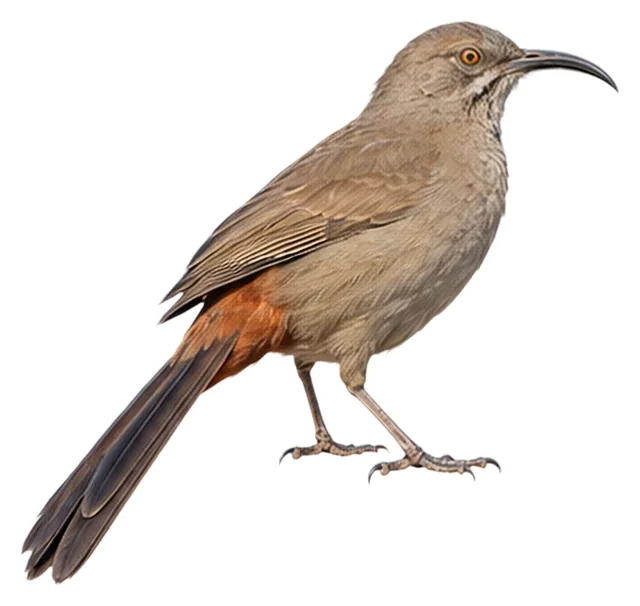
Crissal Thrasher
Toxostoma crissale Henry, 1858
63 gWeight
The crissal thrasher (Toxostoma crissale) is a large thrasher found in the Southwestern United States (western Texas, southern New Mexico, southern Arizona, southeastern California, extreme southern Nevada, and extreme southwestern Utah) to central Mexico.
Busiest months: January and November · Most records: United States, Mexico
Where and when it's recorded

Crissal Thrasher has been recorded at 41 of the 8,171 birding hotspots we track, in 2 countries and regions.
Records by month Northern Hemisphere
Where it's recorded most
- Henderson Bird Viewing PreserveUnited States5,529 records
- Bosque del Apache NWRUnited States683 records
- Sierra Vista EOPUnited States622 records
More places
- Catalina SPUnited States594 records
- Desert NWR – Corn CreekUnited States585 records
- Florida Canyon – lowerUnited States585 records
- PortalUnited States508 records
- Madera Canyon – Proctor Rd.United States434 records
- Whitewater Draw Wildlife AreaUnited States369 records
- Salt River – Granite Reef Recreation AreaUnited States292 records
Countries and regions with the most records
eBird records via GBIF up to 2024-12-31. A record means someone listed it; more records partly mean more birders, not more birds.
About
The crissal thrasher (Toxostoma crissale) is a large thrasher found in the Southwestern United States (western Texas, southern New Mexico, southern Arizona, southeastern California, extreme southern Nevada, and extreme southwestern Utah) to central Mexico.
Excerpt from Wikipedia, CC BY-SA 4.0 · authors · Read more on Wikipedia
Questions
How big is the Crissal Thrasher?
The Crissal Thrasher weighs around 63 g.
Where does the Crissal Thrasher live?
Its breeding range: North America, Middle America: southwestern USA and northern, central Mexico. It is most often recorded in United States and Mexico.
When is the best time to see the Crissal Thrasher?
At the hotspots we track, it is recorded most in January and November (Northern Hemisphere).
Is the Crissal Thrasher endangered?
The IUCN Red List classifies the Crissal Thrasher as Least Concern.
What does the Crissal Thrasher eat?
Main food: Insects & other invertebrates.
What family is the Crissal Thrasher in?
It belongs to the family Mockingbirds, Thrashers (Mimidae), order Passerines (Passeriformes).
At a glance
- Weight
- 63 g
- Habitat
- Shrubland
- Diet
- Insects & other invertebrates
- Lifestyle
- Active on the ground
- Migration
- Resident (barely migrates)
- Conservation
- Least Concern
More measurements
- Wing
- 101 mm
- Tail
- 109 mm
- Bill
- 32 mm
- Tarsus
- 30 mm
Averages from the AVONET dataset; length from field guides where available.
Range
North America, Middle America: southwestern USA and northern, central Mexico
Breeding range, IOC World Bird List 15.2
Classification
- Order
- Passerines Passeriformes
- Family
- Mockingbirds, Thrashers Mimidae
- Genus
- Toxostoma
Other birds in the genus Toxostoma
 Brown ThrasherToxostoma rufum
 Long-billed ThrasherToxostoma longirostre
 Cozumel ThrasherToxostoma guttatum
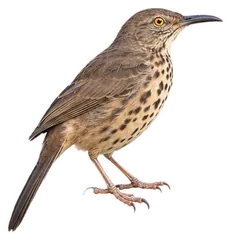 Grey ThrasherToxostoma cinereum
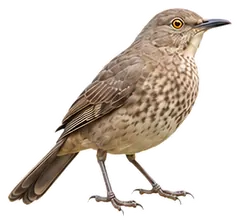 Bendire's ThrasherToxostoma bendirei
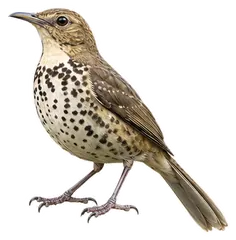 Ocellated ThrasherToxostoma ocellatum
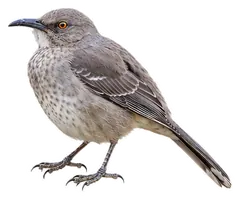 Curve-billed ThrasherToxostoma curvirostre
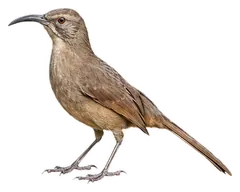 California ThrasherToxostoma redivivum
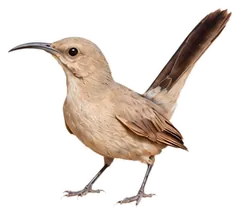 LeConte's ThrasherToxostoma lecontei
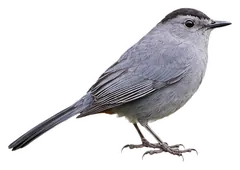 Grey CatbirdDumetella carolinensis
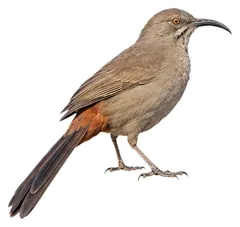
Download illustration
Free to use with credit: “Illustration: Bird Album (birdalbum.com)”. Drawn by AI from a reference photo by Ad Konings. ↗
Heard it but can't see it? Mingji identifies birds by sound and photo, on your phone.
In other languages
- EnglishCrissal Thrasher
- 简体中文栗臀弯嘴嘲鸫
- 繁體中文南美矢嘲鶇
- 日本語アカハラツグミモドキ
- DeutschRotsteiß-Spottdrossel
- FrançaisMoqueur cul-roux
- EspañolCuitlacoche culirrojo
- Portuguêsdebulhador-de-crisso-ruivo
- ItalianoMimo culorossiccio
- NederlandsRoodbuikspotlijster
- РусскийКрасногузый пересмешник
- Svenskabrungumpad härmtrast
- DanskMesquite Røddrossel
- Polskiprzedrzeźniacz szaropierśny