 Bird Album
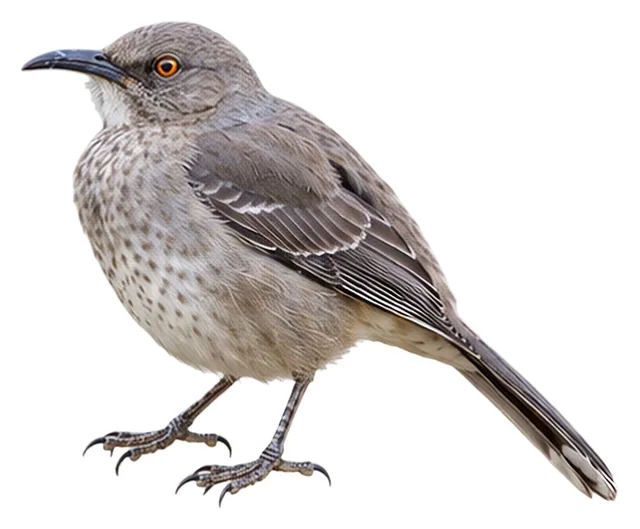
Curve-billed Thrasher
Toxostoma curvirostre (Swainson, 1827)
80 gWeight
The curve-billed thrasher (Toxostoma curvirostre) is a medium-sized mimid native to most of Mexico and to the deserts of southwestern United States.
Busiest months: January, March–April and November · Most records: United States, Mexico
Where and when it's recorded

Curve-billed Thrasher has been recorded at 99 of the 8,171 birding hotspots we track, in 2 countries and regions.
Records by month Northern Hemisphere
Where it's recorded most
- Riparian Preserve at Gilbert Water RanchUnited States23,777 records
- Paton Center for HummingbirdsUnited States16,159 records
- Estero Llano Grande SP WBCUnited States14,810 records
More places
- Ash Canyon Bird SanctuaryUnited States10,427 records
- Canoa Ranch Conservation ParkUnited States7,371 records
- Quinta Mazatlan WBCUnited States7,089 records
- Desert Botanical GardenUnited States6,756 records
- Portal – Cave Creek RanchUnited States5,991 records
- PortalUnited States5,109 records
- Glendale Recharge PondsUnited States4,707 records
Countries and regions with the most records
eBird records via GBIF up to 2024-12-31. A record means someone listed it; more records partly mean more birders, not more birds.
About
The curve-billed thrasher (Toxostoma curvirostre) is a medium-sized mimid native to most of Mexico and to the deserts of southwestern United States. It is a non-migratory species, and throughout most of its range it is the most common desert thrasher. Several subspecies have been classified since 1827, though there is no consensus on the number.
Excerpt from Wikipedia, CC BY-SA 4.0 · authors · Read more on Wikipedia
Questions
How big is the Curve-billed Thrasher?
The Curve-billed Thrasher weighs around 80 g.
Where does the Curve-billed Thrasher live?
Its breeding range: North America, Middle America: southwestern USA and Mexico. It is most often recorded in United States and Mexico.
When is the best time to see the Curve-billed Thrasher?
At the hotspots we track, it is recorded most in January, March, April and November (Northern Hemisphere).
Is the Curve-billed Thrasher endangered?
The IUCN Red List classifies the Curve-billed Thrasher as Least Concern.
What does the Curve-billed Thrasher eat?
Main food: Insects & other invertebrates.
What family is the Curve-billed Thrasher in?
It belongs to the family Mockingbirds, Thrashers (Mimidae), order Passerines (Passeriformes).
At a glance
- Weight
- 80 g
- Habitat
- Shrubland
- Diet
- Insects & other invertebrates
- Lifestyle
- Active on the ground
- Migration
- Resident (barely migrates)
- Conservation
- Least Concern
More measurements
- Wing
- 112 mm
- Tail
- 109 mm
- Bill
- 35 mm
- Tarsus
- 32 mm
Averages from the AVONET dataset; length from field guides where available.
Range
North America, Middle America: southwestern USA and Mexico
Breeding range, IOC World Bird List 15.2
Classification
- Order
- Passerines Passeriformes
- Family
- Mockingbirds, Thrashers Mimidae
- Genus
- Toxostoma
Other birds in the genus Toxostoma
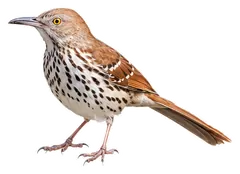 Brown ThrasherToxostoma rufum
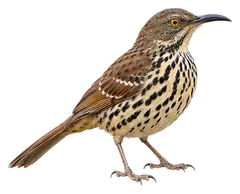 Long-billed ThrasherToxostoma longirostre
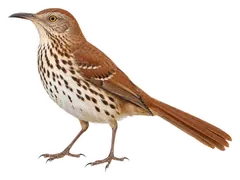 Cozumel ThrasherToxostoma guttatum
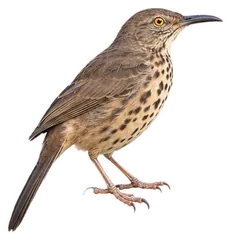 Grey ThrasherToxostoma cinereum
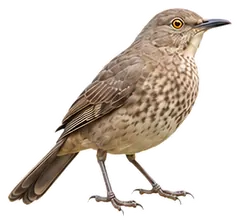 Bendire's ThrasherToxostoma bendirei
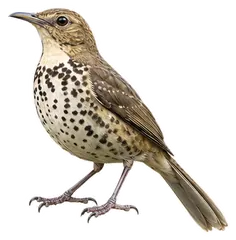 Ocellated ThrasherToxostoma ocellatum
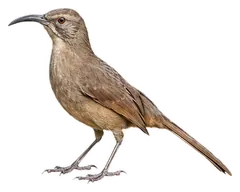 California ThrasherToxostoma redivivum
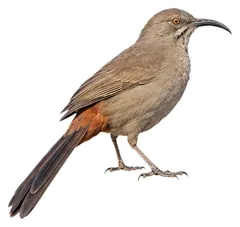 Crissal ThrasherToxostoma crissale
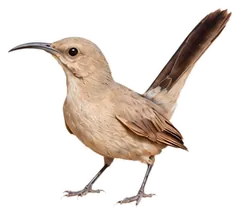 LeConte's ThrasherToxostoma lecontei
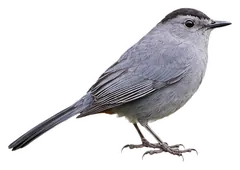 Grey CatbirdDumetella carolinensis
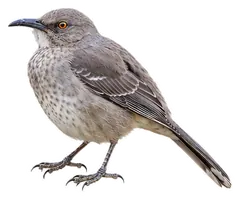
Download illustration
Free to use with credit: “Illustration: Bird Album (birdalbum.com)”. Drawn by AI from reference photos. ↗
Heard it but can't see it? Mingji identifies birds by sound and photo, on your phone.
In other languages
- EnglishCurve-billed Thrasher
- 简体中文弯嘴嘲鸫
- 繁體中文彎嘴矢嘲鶇
- 日本語マルハシツグミモドキ
- DeutschKrummschnabel-Spottdrossel
- FrançaisMoqueur à bec courbe
- EspañolCuitlacoche piquicurvo
- Portuguêsdebulhador-de-bico-curvo
- ItalianoMimo beccocurvo
- NederlandsKrombekspotlijster
- РусскийКривоклювый пересмешник
- Svenskabågnäbbad härmtrast
- DanskKrumnæbbet Røddrossel
- Polskiprzedrzeźniacz krzywodzioby