 Bird Album
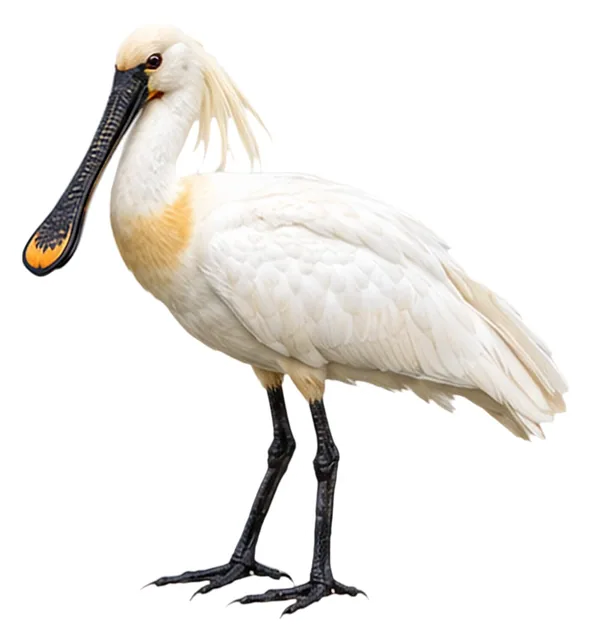
Eurasian Spoonbill
Platalea leucorodia Linnaeus, 1758
≈79 cmLength130 cmWingspan1.9 kgWeight
This almost entirely white bird has a large, lute-shaped bill with a yellow tip.
Busiest months: December–January, April–May and September · Most records: Spain, Portugal, India
Looks like Black-faced Spoonbill
How to identify
Field marks
- Large, lute-shaped bill with a yellow tip
- Yellow bare facial skin, with a fine black stripe from the lores to the eye
- Crest present in the breeding season; crest and breast feathers yellow
- Neck extended in flight
Male, female and young
The crest and yellow breast patch are absent in the non-breeding season; juveniles have a pale bill and black tips to the primaries.
Voice
Mostly quiet; breeding colonies mainly produce bill-clapping sounds, with occasional growls or honking calls.
Similar species
Where and when it's recorded

Eurasian Spoonbill has been recorded at 1,471 of the 8,171 birding hotspots we track, in 91 countries and regions.
Records by month Northern Hemisphere
Where it's recorded most
- Urdaibai RB – bird center y laguna de OruetaSpain3,396 records
- Bharatpur – Keoladeo Ghana NPIndia3,055 records
- Titchwell Marsh RSPB ReserveUnited Kingdom2,714 records
More places
- Lezíria Grande de Vila Franca de Xira – área geralPortugal2,461 records
- Lagoa dos SalgadosPortugal2,436 records
- Txingudi – PlaiaundiSpain2,378 records
- Desembocadura del Guadalhorce – ÁreaSpain2,345 records
- Doñana PN – Marisma de El RocíoSpain2,012 records
- Azud de RiolobosSpain1,797 records
- Frampton Marsh RSPB ReserveUnited Kingdom1,729 records
Countries and regions with the most records
eBird records via GBIF up to 2024-12-31. A record means someone listed it; more records partly mean more birders, not more birds.
About
The Eurasian spoonbill (Platalea leucorodia), or common spoonbill, is a wading bird of the ibis and spoonbill family Threskiornithidae, native to Europe, Africa and Asia. The species is partially migratory with the more northerly breeding populations mostly migrating south for the winter.
Excerpt from Wikipedia, CC BY-SA 4.0 · authors · Read more on Wikipedia
Questions
How big is the Eurasian Spoonbill?
The Eurasian Spoonbill is about ≈79 cm long, with a wingspan of 130 cm and weighs around 1.9 kg.
Where does the Eurasian Spoonbill live?
Its breeding range: Africa, Palearctic, Oriental: widespread. It is most often recorded in Spain, Portugal and India.
When is the best time to see the Eurasian Spoonbill?
At the hotspots we track, it is recorded most in January, April, May, September and December (Northern Hemisphere).
Is the Eurasian Spoonbill endangered?
The IUCN Red List classifies the Eurasian Spoonbill as Least Concern.
What does the Eurasian Spoonbill eat?
Main food: Fish, shrimp & shellfish.
What family is the Eurasian Spoonbill in?
It belongs to the family Ibises, Spoonbills (Threskiornithidae), order Pelecaniformes.
At a glance
- Length
- ≈79 cm
- Wingspan
- 130 cm
- Weight
- 1.9 kg
- Habitat
- Wetland
- Diet
- Fish, shrimp & shellfish
- Lifestyle
- Active on the ground
- Migration
- Partial migrant
- Conservation
- Least Concern
More measurements
- Wing
- 362 mm
- Tail
- 118 mm
- Bill
- 190 mm
- Tarsus
- 129 mm
Averages from the AVONET dataset; length from field guides where available.
Range
Africa, Palearctic, Oriental: widespread
Breeding range, IOC World Bird List 15.2
Subspecies · 1
- Platalea leucorodia leucorodia Europe to n China, India and Sri Lanka | non-breeding: n Africa and s Asia
Classification
- Order
- Pelecaniformes
- Family
- Ibises, Spoonbills Threskiornithidae
- Genus
- Platalea
Other birds in the genus Platalea
 Black-faced SpoonbillPlatalea minor
 African SpoonbillPlatalea alba
 Royal SpoonbillPlatalea regia
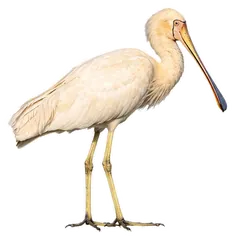 Yellow-billed SpoonbillPlatalea flavipes
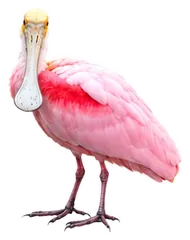 Roseate SpoonbillPlatalea ajaja
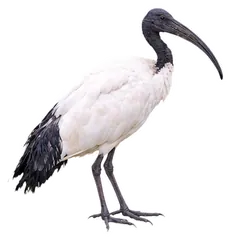 African Sacred IbisThreskiornis aethiopicus
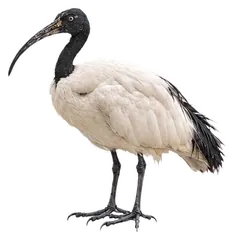 Malagasy Sacred IbisThreskiornis bernieri
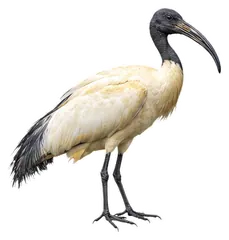 Black-headed IbisThreskiornis melanocephalus
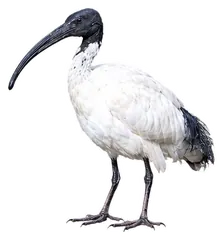 Australian White IbisThreskiornis molucca
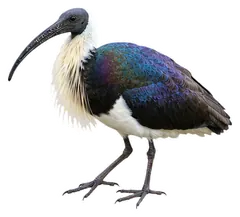 Straw-necked IbisThreskiornis spinicollis
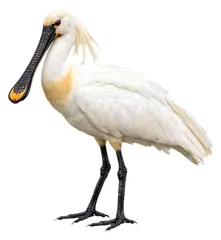
Download illustration
Free to use with credit: “Illustration: Bird Album (birdalbum.com)”. Drawn by AI from a reference photo by Andreas Trepte. ↗

Heard it but can't see it? Mingji identifies birds by sound and photo, on your phone.