 Bird Album
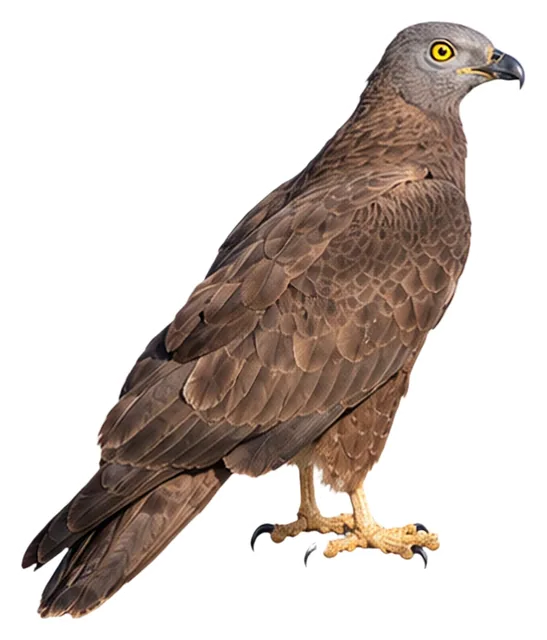
European Honey Buzzard
Pernis apivorus (Linnaeus, 1758)
≈60 cmLength126 cmWingspan754 gWeight
It has a small head and a long neck, holds its wings level when circling, and feeds mainly on bee larvae and nests.
Busiest months: September · Most records: Spain, Israel, Portugal
Looks like Common Buzzard
How to identify
Field marks
- Head small, neck appears long
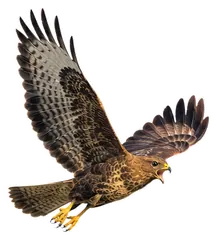
- Underwing has carpal patches and barring
- Tail usually has two narrow bars and one broad subterminal band
- Adult belly markings vary in density
Male, female and young
Male head blue-gray, female head brown; juvenile eyes brown, cere yellow, belly without intricate markings.
Voice
A clear “peee-lu”; usually rather quiet, most easily heard while raising chicks.
Similar species
Where and when it's recorded
Busiest months: September · Most records: Spain, Israel, Portugal

European Honey Buzzard has been recorded at 1,207 of the 8,276 birding hotspots we track, in 101 countries and regions.
Records by month Northern Hemisphere
Where it's recorded most
- LindusSpain9,384 records
- Algeciras – Observatorio de AlgarroboSpain8,541 records
- Observatorio de CazallaSpain4,745 records
More places
- PN Sudoeste Alentejano e Costa Vicentina – CabranosaPortugal1,122 records
- International Birding and Research Center Eilat (IBRCE)Israel873 records
- Sakhalvasho Raptor WatchpointGeorgia833 records
- Antikythira Bird ObservatoryGreece537 records
- Falsterbonäset – NabbenSweden478 records
- Bardena – Galugah Raptor Count SiteIran475 records
- Atanasovsko Lake – Migration Observation PointBulgaria406 records
Countries and regions with the most records
eBird records via GBIF up to 2024-12-31. A record means someone listed it; more records partly mean more birders, not more birds.
About
The European honey buzzard (Pernis apivorus) is an insectivorous bird of prey in the family Accipitridae breeding in Europe and western Asia, and wintering in Africa.
Excerpt from Wikipedia, CC BY-SA 4.0 · authors · Read more on Wikipedia
Questions
How big is the European Honey Buzzard?
The European Honey Buzzard is about ≈60 cm long, with a wingspan of 126 cm and weighs around 754 g.
Where does the European Honey Buzzard live?
Its breeding range: Palearctic: Europe and West Asia. It is most often recorded in Spain, Israel and Portugal.
When is the best time to see the European Honey Buzzard?
At the hotspots we track, it is recorded most in September (Northern Hemisphere).
Is the European Honey Buzzard endangered?
The IUCN Red List classifies the European Honey Buzzard as Least Concern.
What does the European Honey Buzzard eat?
Main food: Insects & other invertebrates.
What family is the European Honey Buzzard in?
It belongs to the family Kites, Hawks, Eagles (Accipitridae), order Accipitriformes.
At a glance
- Length
- ≈60 cm
- Wingspan
- 126 cm
- Weight
- 754 g
- Habitat
- Forest
- Diet
- Insects & other invertebrates
- Lifestyle
- Perches in trees
- Migration
- Migratory
- Conservation
- Least Concern
More measurements
- Wing
- 407 mm
- Tail
- 253 mm
- Bill
- 35 mm
- Tarsus
- 44 mm
Averages from the AVONET dataset; length from field guides where available.
Range
Palearctic: Europe and West Asia
Breeding range, IOC World Bird List 15.2
Classification
- Order
- Accipitriformes
- Family
- Kites, Hawks, Eagles Accipitridae
- Genus
- Pernis
Other birds in the genus Pernis
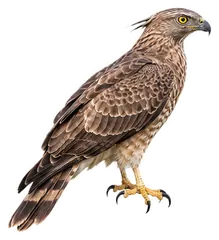 Crested Honey BuzzardPernis ptilorhynchus
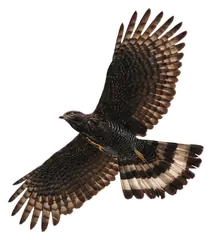 Barred Honey BuzzardPernis celebensis
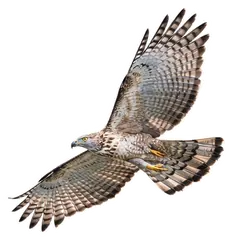 Philippine Honey BuzzardPernis steerei
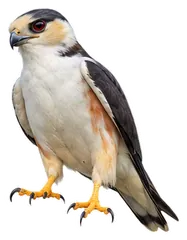 Pearl KiteGampsonyx swainsonii
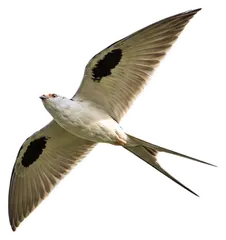 Scissor-tailed KiteChelictinia riocourii
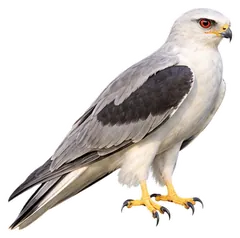 White-tailed KiteElanus leucurus
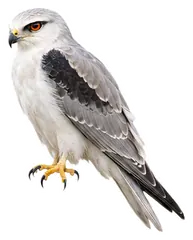 Black-winged KiteElanus caeruleus
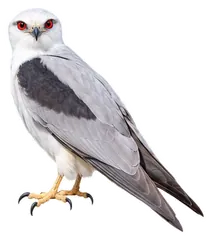 Black-shouldered KiteElanus axillaris
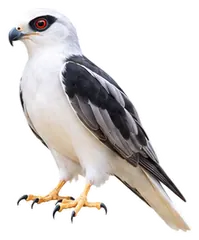 Letter-winged KiteElanus scriptus
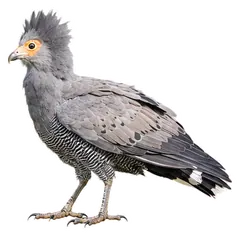 African Harrier-HawkPolyboroides typus
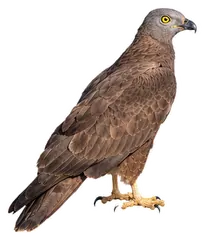
Download illustration
Free to use with credit: “Illustration: Bird Album (birdalbum.com)”. Drawn by AI from a reference photo by vyatka. ↗
Heard it but can't see it? Mingji identifies birds by sound and photo, on your phone.