 Bird Album
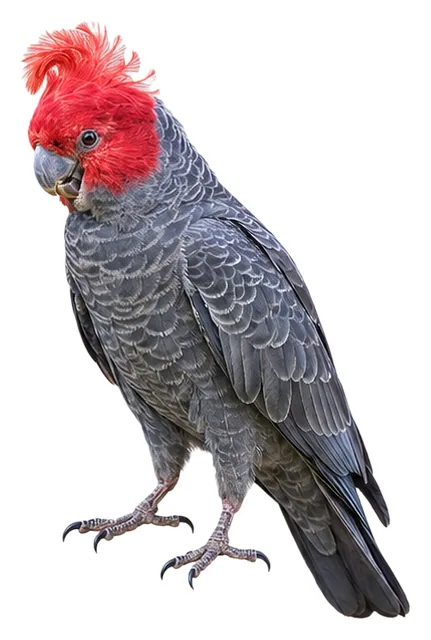
Gang-gang Cockatoo
Callocephalon fimbriatum (Grant, J, 1803)
256 gWeight
The gang-gang cockatoo (Callocephalon fimbriatum) is a parrot found in the cooler and wetter forests and woodlands of Australia, particularly alpine bushland.
Busiest months: May and August–November · Most records: Australia, Singapore
Where and when it's recorded

Gang-gang Cockatoo has been recorded at 58 of the 8,171 birding hotspots we track, in 2 countries and regions.
Records by month Southern Hemisphere
Where it's recorded most
- Australian National Botanic GardensAustralia1,715 records
- Bendthualaly, BellawongarahAustralia780 records
- Barren Grounds Nature ReserveAustralia504 records
More places
- La Trobe University Bundoora – Nangak Tamboree Wildlife SanctuaryAustralia271 records
- Mt Ainslie Nature Reserve – Campbell ParkAustralia266 records
- Blackburn LakeAustralia247 records
- Callum Brae Nature ReserveAustralia245 records
- Jerrabomberra Wetlands Nature ReserveAustralia223 records
- Banyule Flats ReserveAustralia210 records
- Bunyip State ParkAustralia209 records
Countries and regions with the most records
eBird records via GBIF up to 2024-12-31. A record means someone listed it; more records partly mean more birders, not more birds.
About
The gang-gang cockatoo (Callocephalon fimbriatum) is a parrot found in the cooler and wetter forests and woodlands of Australia, particularly alpine bushland. It is the only species placed in the genus Callocephalon. Mostly mild grey in colour with some lighter scalloping (more pronounced and buffy in females), the male has a red head and crest, while the female has a small fluffy grey crest.
Excerpt from Wikipedia, CC BY-SA 4.0 · authors · Read more on Wikipedia
Questions
How big is the Gang-gang Cockatoo?
The Gang-gang Cockatoo weighs around 256 g.
Where does the Gang-gang Cockatoo live?
Its breeding range: Australasia: south-central New South Wales to southwestern Victoria (southeastern Australia). It is most often recorded in Australia and Singapore.
When is the best time to see the Gang-gang Cockatoo?
At the hotspots we track, it is recorded most in May, August, September, October and November (Southern Hemisphere).
Is the Gang-gang Cockatoo endangered?
The IUCN Red List classifies the Gang-gang Cockatoo as Vulnerable.
What does the Gang-gang Cockatoo eat?
Main food: Omnivore.
What family is the Gang-gang Cockatoo in?
It belongs to the family Cockatoos (Cacatuidae), order Parrot (Psittaciformes).
At a glance
- Weight
- 256 g
- Habitat
- Woodland
- Diet
- Omnivore
- Lifestyle
- Perches in trees
- Migration
- Partial migrant
- Conservation
- Vulnerable
More measurements
- Wing
- 253 mm
- Tail
- 135 mm
- Bill
- 32 mm
- Tarsus
- 18 mm
Averages from the AVONET dataset; length from field guides where available.
Range
Australasia: south-central New South Wales to southwestern Victoria (southeastern Australia)
Breeding range, IOC World Bird List 15.2
Classification
More from the family Cockatoos
 Yellow-tailed Black CockatooZanda funerea
 Baudin's Black CockatooZanda baudinii
 Carnaby's Black CockatooZanda latirostris
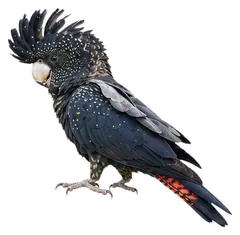 Red-tailed Black CockatooCalyptorhynchus banksii
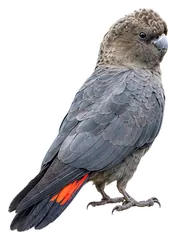 Glossy Black CockatooCalyptorhynchus lathami
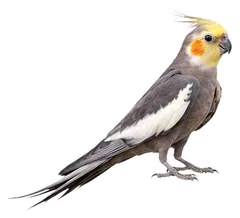 CockatielNymphicus hollandicus
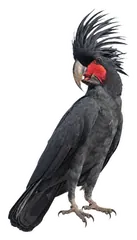 Palm CockatooProbosciger aterrimus
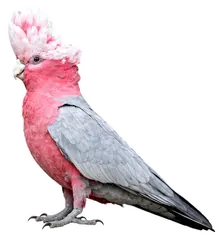 GalahEolophus roseicapilla
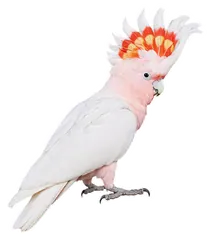 Pink CockatooCacatua leadbeateri
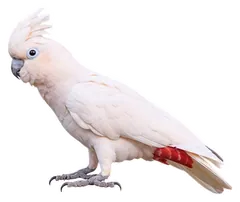 Red-vented CockatooCacatua haematuropygia
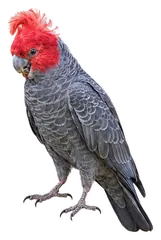
Download illustration
Free to use with credit: “Illustration: Bird Album (birdalbum.com)”. Drawn by AI from a reference photo by rodgerp. ↗
Heard it but can't see it? Mingji identifies birds by sound and photo, on your phone.