 Bird Album
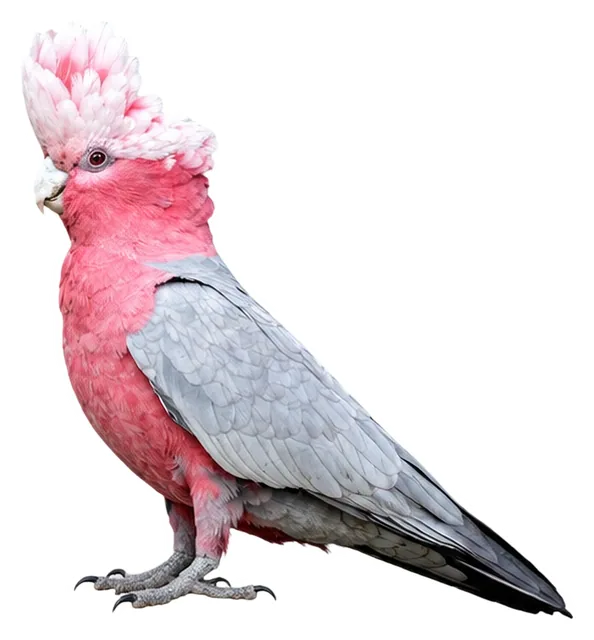
Galah
Eolophus roseicapilla (Vieillot, 1817)
35 cmLength328 gWeight
It has a pink face and breast, a silvery-gray back and a pale pink crest.
Busiest months: September–October · Most records: Australia, United Arab Emirates
How to identify
Field marks
- Face and breast pink
- Crest pale pink and movable
- Back pale silvery-gray
- Bill bone-white; legs gray
Male, female and young
Adult male has a dark brown, almost black iris; female has a medium brown or red iris. Juvenile has a grayish breast, crown and crest.
Where and when it's recorded

Galah has been recorded at 214 of the 8,171 birding hotspots we track, in 2 countries and regions.
Records by month Southern Hemisphere
Where it's recorded most
- Jerrabomberra Wetlands Nature ReserveAustralia5,476 records
- Western Treatment PlantAustralia4,789 records
- Bowra Wildlife SanctuaryAustralia3,614 records
More places
- Royal ParkAustralia3,205 records
- Oxley Creek CommonAustralia2,782 records
- Banyule Flats ReserveAustralia2,542 records
- Mt Ainslie Nature Reserve – Campbell ParkAustralia2,381 records
- RhyllAustralia1,860 records
- Gemmill Swamp Wildlife ReserveAustralia1,737 records
- West Belconnen PondAustralia1,577 records
Countries and regions with the most records
eBird records via GBIF up to 2024-12-31. A record means someone listed it; more records partly mean more birders, not more birds.
About
The galah (Eolophus roseicapilla), less commonly known as the pink and grey cockatoo, galah cockatoo, or rose-breasted cockatoo, is an Australian species of cockatoo and the only member of the genus Eolophus. The galah is adapted to a wide variety of modified and unmodified habitats and is one of Australia's most abundant and widespread bird species. The species is endemic to mainland Australia.
Excerpt from Wikipedia, CC BY-SA 4.0 · authors · Read more on Wikipedia
Questions
How big is the Galah?
The Galah is about 35 cm long and weighs around 328 g.
Where does the Galah live?
Its breeding range: Australasia: Australia. It is most often recorded in Australia and United Arab Emirates.
When is the best time to see the Galah?
At the hotspots we track, it is recorded most in September and October (Southern Hemisphere).
Is the Galah endangered?
The IUCN Red List classifies the Galah as Least Concern.
What does the Galah eat?
Main food: Seeds.
What family is the Galah in?
It belongs to the family Cockatoos (Cacatuidae), order Parrot (Psittaciformes).
At a glance
- Length
- 35 cm
- Weight
- 328 g
- Habitat
- Woodland
- Diet
- Seeds
- Lifestyle
- Active on the ground
- Migration
- Resident (barely migrates)
- Conservation
- Least Concern
More measurements
- Wing
- 256 mm
- Tail
- 137 mm
- Bill
- 31 mm
- Tarsus
- 23 mm
Averages from the AVONET dataset; length from field guides where available.
Range
Australasia: Australia
Breeding range, IOC World Bird List 15.2
Classification
More from the family Cockatoos
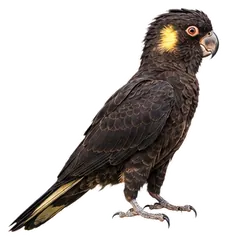 Yellow-tailed Black CockatooZanda funerea
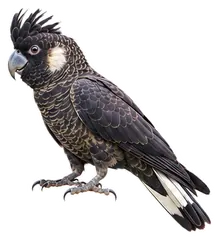 Baudin's Black CockatooZanda baudinii
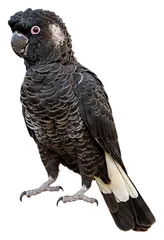 Carnaby's Black CockatooZanda latirostris
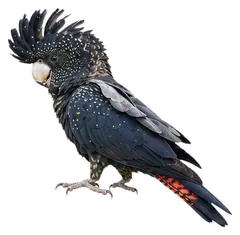 Red-tailed Black CockatooCalyptorhynchus banksii
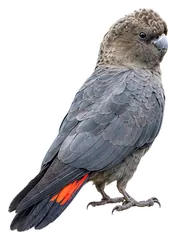 Glossy Black CockatooCalyptorhynchus lathami
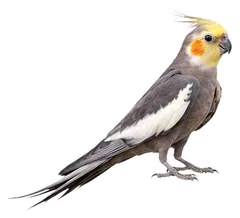 CockatielNymphicus hollandicus
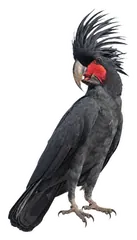 Palm CockatooProbosciger aterrimus
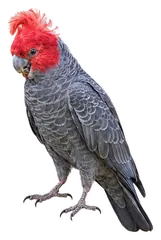 Gang-gang CockatooCallocephalon fimbriatum
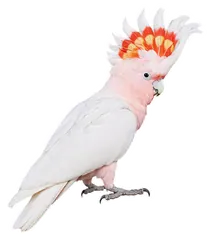 Pink CockatooCacatua leadbeateri
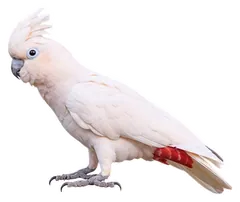 Red-vented CockatooCacatua haematuropygia
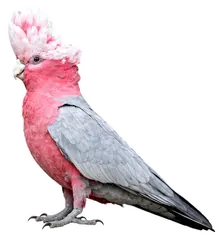
Download illustration
Free to use with credit: “Illustration: Bird Album (birdalbum.com)”. Drawn by AI from a reference photo by Andrew Allen. ↗
Heard it but can't see it? Mingji identifies birds by sound and photo, on your phone.