 Bird Album
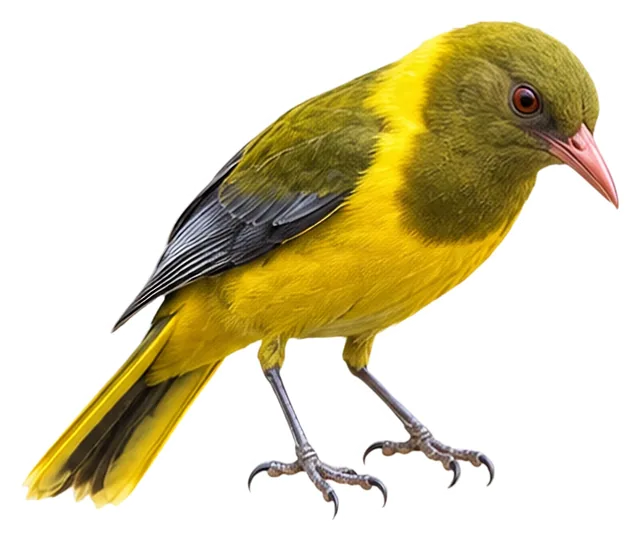
Green-headed Oriole
Oriolus chlorocephalus Shelley, 1896
49 gWeight
The green-headed oriole (Oriolus chlorocephalus), or montane oriole, is a species of bird in the family Oriolidae.
Busiest months: July and October · Most records: Tanzania, Malawi, Kenya
Where and when it's recorded
Busiest months: July and October · Most records: Tanzania, Malawi, Kenya

Green-headed Oriole has been recorded at 5 of the 8,276 birding hotspots we track, in 3 countries and regions.
Records by month Southern Hemisphere
Where it's recorded most
- East Usambara Mountains – Amani Nature ReserveTanzania272 records
- Mt. Thyolo – Satemwa Tea EstateMalawi26 records
- Arabuko-Sokoke Forest NRKenya12 records
More places
- Luwawa Forest LodgeMalawi1 record
- Mikumi NPTanzania1 record
Countries and regions with the most records
eBird records via GBIF up to 2024-12-31. A record means someone listed it; more records partly mean more birders, not more birds.
About
The green-headed oriole (Oriolus chlorocephalus), or montane oriole, is a species of bird in the family Oriolidae. It is found in eastern Africa.
Excerpt from Wikipedia, CC BY-SA 4.0 · authors · Read more on Wikipedia
Questions
How big is the Green-headed Oriole?
The Green-headed Oriole weighs around 49 g.
Where does the Green-headed Oriole live?
Its breeding range: Africa: eastern. It is most often recorded in Tanzania, Malawi and Kenya.
When is the best time to see the Green-headed Oriole?
At the hotspots we track, it is recorded most in July and October (Southern Hemisphere).
Is the Green-headed Oriole endangered?
The IUCN Red List classifies the Green-headed Oriole as Least Concern.
What does the Green-headed Oriole eat?
Main food: Omnivore.
What family is the Green-headed Oriole in?
It belongs to the family Figbirds, Old World Orioles, Piopios (Oriolidae), order Passerines (Passeriformes).
At a glance
- Weight
- 49 g
- Habitat
- Forest
- Diet
- Omnivore
- Lifestyle
- Perches in trees
- Migration
- Partial migrant
- Conservation
- Least Concern
More measurements
- Wing
- 135 mm
- Tail
- 103 mm
- Bill
- 27 mm
- Tarsus
- 25 mm
Averages from the AVONET dataset; length from field guides where available.
Range
Africa: eastern
Breeding range, IOC World Bird List 15.2
Classification
- Order
- Passerines Passeriformes
- Family
- Figbirds, Old World Orioles, Piopios Oriolidae
- Genus
- Oriolus
Other birds in the genus Oriolus
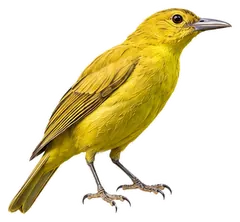 Isabela OrioleOriolus isabellae
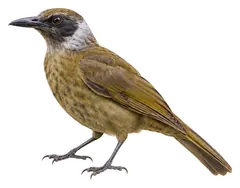 Grey-collared OrioleOriolus forsteni
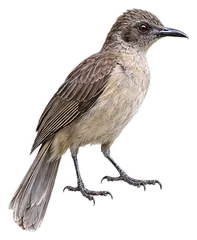 Black-eared OrioleOriolus bouroensis
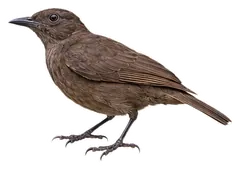 Dusky-brown OrioleOriolus phaeochromus
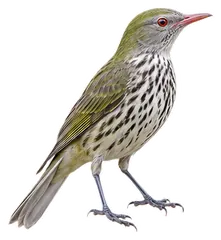 Olive-backed OrioleOriolus sagittatus
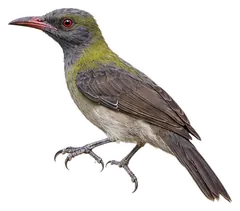 Timor OrioleOriolus melanotis
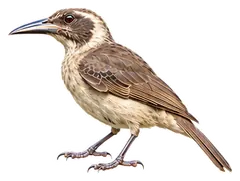 Wetar OrioleOriolus finschi
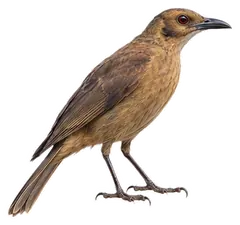 Tanimbar OrioleOriolus decipiens
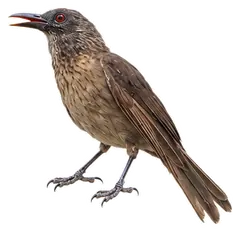 Brown OrioleOriolus szalayi
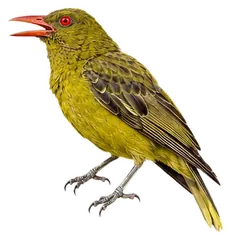 Green OrioleOriolus flavocinctus
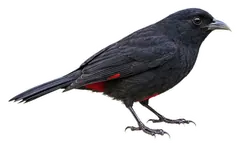 Javan OrioleOriolus cruentus
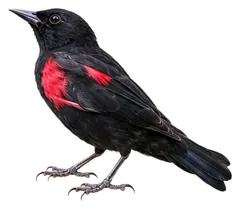 Black-and-crimson OrioleOriolus consanguineus
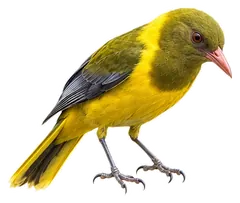
Download illustration
Free to use with credit: “Illustration: Bird Album (birdalbum.com)”. Drawn by AI from a reference photo by Heinrich Human. ↗
Heard it but can't see it? Mingji identifies birds by sound and photo, on your phone.
In other languages
- EnglishGreen-headed Oriole
- 简体中文绿头黄鹂
- 繁體中文綠頭黃鸝
- 日本語ミドリコウライウグイス
- DeutschGrünkopfpirol
- FrançaisLoriot à tête verte
- EspañolOropéndola cabeciverde
- Portuguêspapa-figos-de-cabeça-verde
- ItalianoOriolo testaverde
- NederlandsGroenkopwielewaal
- РусскийЗеленоголовая иволга
- Svenskagrönhuvad gylling
- DanskGrønhovedet Pirol
- Polskiwilga zielonogłowa