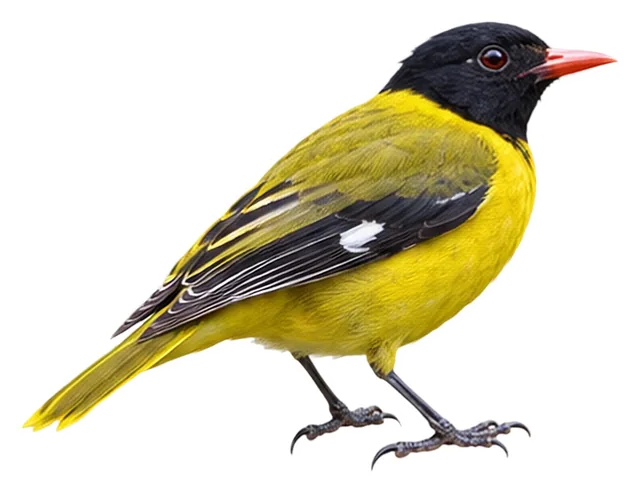
Western Oriole
Oriolus brachyrynchus Swainson, 1837
21 cmLength49 gWeight
The western oriole (Oriolus brachyrynchus), or western black-headed oriole, is a species of bird in the family Oriolidae that is native to Africa.
Busiest months: January, July and November · Most records: Uganda, Ghana, Kenya
Where and when it's recorded
Busiest months: January, July and November · Most records: Uganda, Ghana, Kenya

Western Oriole has been recorded at 99 of the 8,276 birding hotspots we track, in 14 countries and regions.
Records by month Northern Hemisphere
Where it's recorded most
- Budongo Forest Reserve – Royal MileUganda507 records
- Kibale NPUganda396 records
- Ankasa NPGhana344 records
More places
- Kakamega Forest NRKenya233 records
- Atewa Range – upland forest & ridgeGhana212 records
- Bosque Científica – Selva PrimariaEquatorial Guinea181 records
- Kakamega Forest NR – Rondo Retreat CentreKenya173 records
- Mabira ForestUganda164 records
- Semuliki NPUganda156 records
- Bobiri Butterfly SanctuaryGhana135 records
Countries and regions with the most records
eBird records via GBIF up to 2024-12-31. A record means someone listed it; more records partly mean more birders, not more birds.
About
The western oriole (Oriolus brachyrynchus), or western black-headed oriole, is a species of bird in the family Oriolidae that is native to Africa. The adult upperparts are yellow-olive, and the underparts are yellow in colour. It is rated as a species of least concern on the International Union for Conservation of Nature Red List of Endangered Species.
Excerpt from Wikipedia, CC BY-SA 4.0 · authors · Read more on Wikipedia
Questions
How big is the Western Oriole?
The Western Oriole is about 21 cm long and weighs around 49 g.
Where does the Western Oriole live?
Its breeding range: Africa: western, central. It is most often recorded in Uganda, Ghana and Kenya.
When is the best time to see the Western Oriole?
At the hotspots we track, it is recorded most in January, July and November (Northern Hemisphere).
Is the Western Oriole endangered?
The IUCN Red List classifies the Western Oriole as Least Concern.
What does the Western Oriole eat?
Main food: Insects & other invertebrates.
What family is the Western Oriole in?
It belongs to the family Figbirds, Old World Orioles, Piopios (Oriolidae), order Passerines (Passeriformes).
At a glance
- Length
- 21 cm
- Weight
- 49 g
- Habitat
- Forest
- Diet
- Insects & other invertebrates
- Lifestyle
- Perches in trees
- Migration
- Resident (barely migrates)
- Conservation
- Least Concern
More measurements
- Wing
- 114 mm
- Tail
- 83 mm
- Bill
- 24 mm
- Tarsus
- 22 mm
Averages from the AVONET dataset; length from field guides where available.
Range
Africa: western, central
Breeding range, IOC World Bird List 15.2
Classification
- Order
- Passerines Passeriformes
- Family
- Figbirds, Old World Orioles, Piopios Oriolidae
- Genus
- Oriolus
Other birds in the genus Oriolus
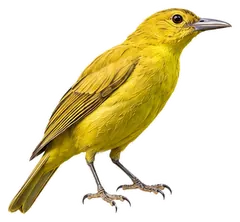 Isabela OrioleOriolus isabellae
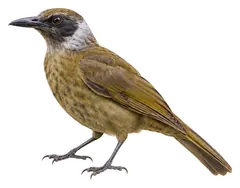 Grey-collared OrioleOriolus forsteni
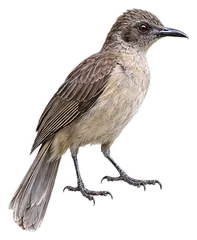 Black-eared OrioleOriolus bouroensis
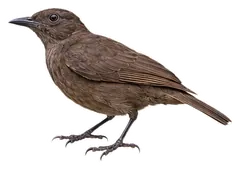 Dusky-brown OrioleOriolus phaeochromus
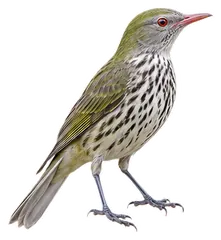 Olive-backed OrioleOriolus sagittatus
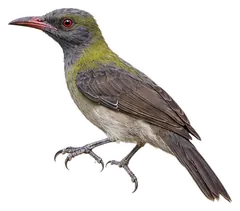 Timor OrioleOriolus melanotis
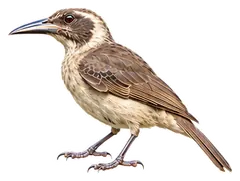 Wetar OrioleOriolus finschi
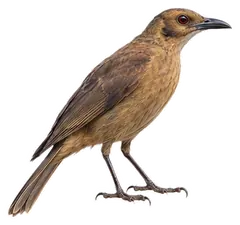 Tanimbar OrioleOriolus decipiens
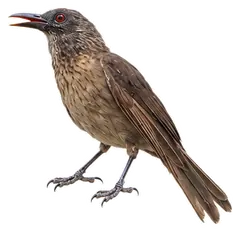 Brown OrioleOriolus szalayi
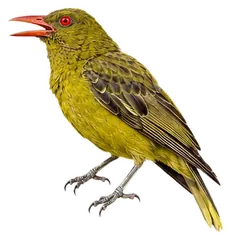 Green OrioleOriolus flavocinctus
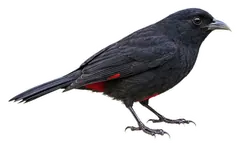 Javan OrioleOriolus cruentus
 Black-and-crimson OrioleOriolus consanguineus
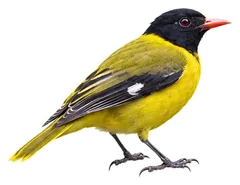
Download illustration
Free to use with credit: “Illustration: Bird Album (birdalbum.com)”. Drawn by AI from a reference photo by mlanguy. ↗
Heard it but can't see it? Mingji identifies birds by sound and photo, on your phone.
In other languages
- EnglishWestern Oriole
- 简体中文西非黑头黄鹂
- 繁體中文西非黑頭黃鸝
- 日本語キエリコウライウグイス
- DeutschDschungelpirol
- FrançaisLoriot à tête noire
- EspañolOropéndola cabecinegra
- Portuguêspapa-figos-de-cabeça-preta-ocidental
- ItalianoOriolo occidentale
- NederlandsBlauwvleugelwielewaal
- РусскийГвинейская иволга
- Svenskadjungelgylling
- DanskOlivenrygget Hættepirol
- Polskiwilga kapturowa