 Bird Album
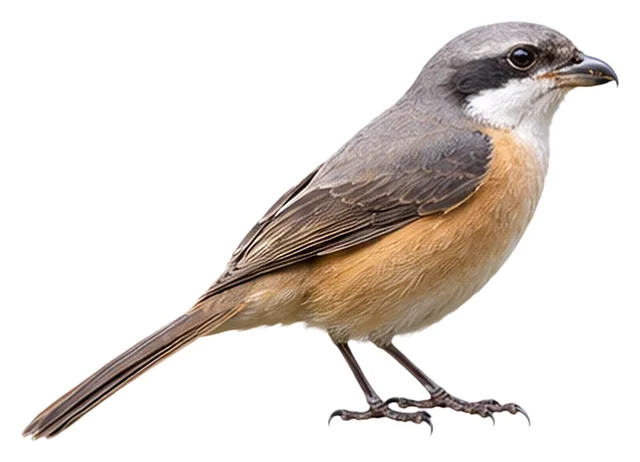
Grey-backed Shrike
Lanius tephronotus (Vigors, 1831)
≈22 cmLength46 gWeight
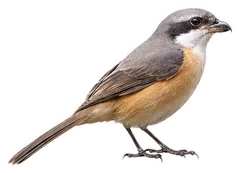
In the nominate subspecies, this long-tailed shrike has a dark gray head and back, a black mask through the eye and a chestnut-brown tail.
Busiest months: December–February · Most records: India, China, Nepal
How to identify
Field marks
- Black mask through the eye, extending to the rear of the ear-coverts
- Crown and most upperparts dark gray in the nominate subspecies
- Rump rusty
- Tail chestnut-brown with a buff tip in the nominate subspecies
Male, female and young
Sexes very similar; juvenile has browner upperparts, a brownish rather than black mask, and fine barring on the crown.
Voice
Rough and wheezy; territorial call is grating, like “zzert-zzert”.
Where and when it's recorded

Grey-backed Shrike has been recorded at 541 of the 8,171 birding hotspots we track, in 10 countries and regions.
Records by month Northern Hemisphere
Where it's recorded most
- Doi Pha Hom Pok NP – Doi Lang (W), AKA Doi San JuThailand659 records
- Kaziranga NP & Surroundings – Eastern RangeIndia511 records
- Kaziranga NP & Surroundings – Western RangeIndia471 records
More places
- Kaziranga NP & Surroundings – Central RangeIndia455 records
- Kaziranga NP & SurroundingsIndia408 records
- Maguri BeelIndia399 records
- Sangla and AreaNepal350 records
- Nameri National Park & SurroundingsIndia349 records
- Dihing Patkai NP – SoraipungIndia302 records
- Mahananda WLS – Rongtong and Shivakhola ForestIndia274 records
Countries and regions with the most records
eBird records via GBIF up to 2024-12-31. A record means someone listed it; more records partly mean more birders, not more birds.
Questions
How big is the Grey-backed Shrike?
The Grey-backed Shrike is about ≈22 cm long and weighs around 46 g.
Where does the Grey-backed Shrike live?
Its breeding range: Palearctic: Himalayas, central China. It is most often recorded in India, China and Nepal.
When is the best time to see the Grey-backed Shrike?
At the hotspots we track, it is recorded most in January, February and December (Northern Hemisphere).
Is the Grey-backed Shrike endangered?
The IUCN Red List classifies the Grey-backed Shrike as Least Concern.
What does the Grey-backed Shrike eat?
Main food: Insects & other invertebrates.
What family is the Grey-backed Shrike in?
It belongs to the family Shrikes (Laniidae), order Passerines (Passeriformes).
At a glance
- Length
- ≈22 cm
- Weight
- 46 g
- Habitat
- Grassland
- Diet
- Insects & other invertebrates
- Lifestyle
- Perches in trees
- Migration
- Migratory
- Conservation
- Least Concern
More measurements
- Wing
- 99 mm
- Tail
- 109 mm
- Bill
- 22 mm
- Tarsus
- 28 mm
Averages from the AVONET dataset; length from field guides where available.
Range
Palearctic: Himalayas, central China
Breeding range, IOC World Bird List 15.2
Subspecies · 2
- Lanius tephronotus lahulensis nw India and sw China
- Lanius tephronotus tephronotus Nepal and ne India to c, s China | non-breeding: Bangladesh, Burma, Thailand and Indochina
Classification
- Order
- Passerines Passeriformes
- Family
- Shrikes Laniidae
- Genus
- Lanius
Other birds in the genus Lanius
 Long-tailed FiscalLanius cabanisi
 Grey-backed FiscalLanius excubitoroides
 Taita FiscalLanius dorsalis
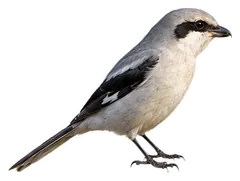 Great Grey ShrikeLanius excubitor
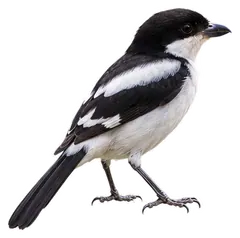 Somali FiscalLanius somalicus
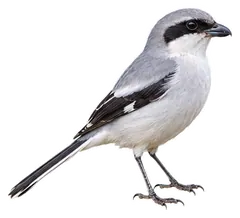 Loggerhead ShrikeLanius ludovicianus
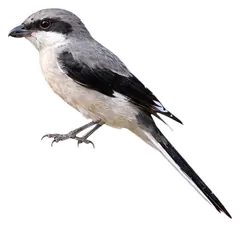 Giant Grey ShrikeLanius giganteus
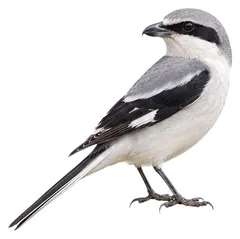 Chinese Grey ShrikeLanius sphenocercus
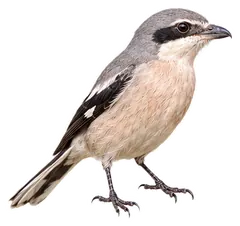 Iberian Grey ShrikeLanius meridionalis
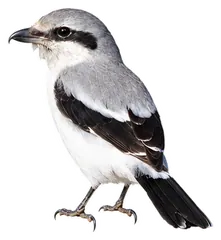 Northern ShrikeLanius borealis
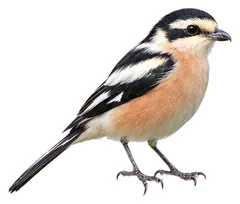 Masked ShrikeLanius nubicus
 Sao Tome FiscalLanius newtoni
Download illustration
Free to use with credit: “Illustration: Bird Album (birdalbum.com)”. Drawn by AI from a reference photo by Dibyendu Ash. ↗

Heard it but can't see it? Mingji identifies birds by sound and photo, on your phone.
In other languages
- EnglishGrey-backed Shrike
- 简体中文灰背伯劳
- 繁體中文西藏伯勞
- 日本語チベットモズ
- DeutschTibetwürger
- FrançaisPie-grièche du Tibet
- EspañolAlcaudón tibetano
- Portuguêspicanço-do-himalaia
- ItalianoAverla dorsogrigio
- NederlandsHimalayaklauwier
- РусскийТибетский сорокопут
- Svenskahimalayatörnskata
- DanskHimalaya Tornskade
- Polskidzierzba szarogrzbieta