 Bird Album
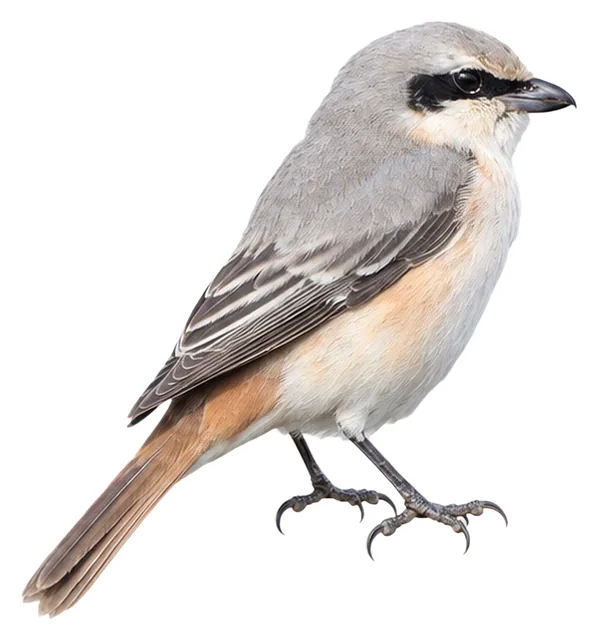
Isabelline Shrike
Lanius isabellinus Hemprich & Ehrenberg, 1833
≈18 cmLength25 gWeight
This shrike has sandy-yellow feathers and a red tail, and is often found in sparse desert woodland and oases.
Busiest months: November–January · Most records: United Arab Emirates, India, Kuwait
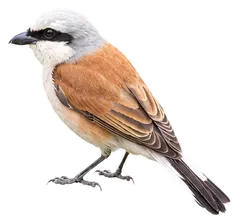
Looks like Red-backed Shrike
How to identify
Field marks
- Feathers sandy-yellow
- Tail red
Similar species
Where and when it's recorded

Isabelline Shrike has been recorded at 391 of the 8,171 birding hotspots we track, in 55 countries and regions.
Records by month Northern Hemisphere
Where it's recorded most
- Private estate near Green MubazzarahUnited Arab Emirates1,269 records
- Al Jahra Reserve (Restricted access)Kuwait1,202 records
- Wamm FarmsUnited Arab Emirates1,181 records
More places
- Abu Dhabi Golf and Equestrian ClubUnited Arab Emirates1,108 records
- Dubai Pivot FieldsUnited Arab Emirates633 records
- Irakhiya FarmQatar440 records
- Khovd Bird Ringing Station, Khovd, MNMongolia412 records
- Al Marmoom DCR – Al Qudra PivotsUnited Arab Emirates374 records
- Al Wathba Wetland ReserveUnited Arab Emirates367 records
- Budhera Water Treatment PlantIndia357 records
Countries and regions with the most records
eBird records via GBIF up to 2024-12-31. A record means someone listed it; more records partly mean more birders, not more birds.
About
The isabelline shrike or Daurian shrike (Lanius isabellinus) is a member of the shrike family (Laniidae). It was previously considered conspecific with the red-backed shrike and red-tailed shrike. It is found in an extensive area between the Caspian Sea and north and central China southeast to the Qaidam Basin.
Excerpt from Wikipedia, CC BY-SA 4.0 · authors · Read more on Wikipedia
Questions
How big is the Isabelline Shrike?
The Isabelline Shrike is about ≈18 cm long and weighs around 25 g.
Where does the Isabelline Shrike live?
Its breeding range: Palearctic: central. It is most often recorded in United Arab Emirates, India and Kuwait.
When is the best time to see the Isabelline Shrike?
At the hotspots we track, it is recorded most in January, November and December (Northern Hemisphere).
Is the Isabelline Shrike endangered?
The IUCN Red List classifies the Isabelline Shrike as Least Concern.
What does the Isabelline Shrike eat?
Main food: Insects & other invertebrates.
What family is the Isabelline Shrike in?
It belongs to the family Shrikes (Laniidae), order Passerines (Passeriformes).
At a glance
- Length
- ≈18 cm
- Weight
- 25 g
- Habitat
- Shrubland
- Diet
- Insects & other invertebrates
- Lifestyle
- Perches in trees
- Migration
- Migratory
- Conservation
- Least Concern
More measurements
- Wing
- 91 mm
- Tail
- 79 mm
- Bill
- 19 mm
- Tarsus
- 25 mm
Averages from the AVONET dataset; length from field guides where available.
Range
Palearctic: central
Breeding range, IOC World Bird List 15.2
Subspecies · 3
- Lanius isabellinus isabellinus n China, Mongolia and s Russia | non-breeding: Arabia and ne Africa
- Lanius isabellinus arenarius nw China | non-breeding: Pakistan and India
- Lanius isabellinus tsaidamensis wc China | non-breeding: Pakistan and India
Classification
- Order
- Passerines Passeriformes
- Family
- Shrikes Laniidae
- Genus
- Lanius
Other birds in the genus Lanius
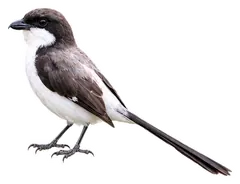 Long-tailed FiscalLanius cabanisi
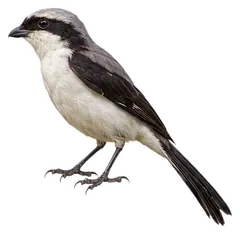 Grey-backed FiscalLanius excubitoroides
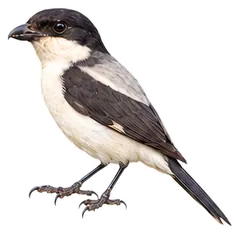 Taita FiscalLanius dorsalis
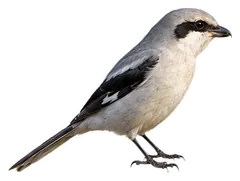 Great Grey ShrikeLanius excubitor
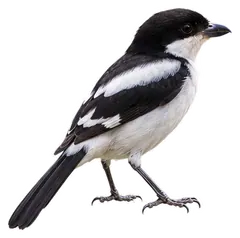 Somali FiscalLanius somalicus
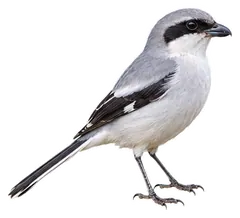 Loggerhead ShrikeLanius ludovicianus
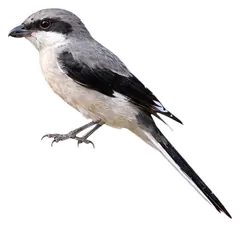 Giant Grey ShrikeLanius giganteus
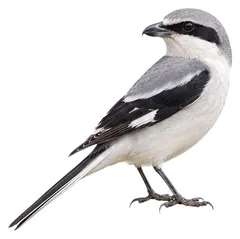 Chinese Grey ShrikeLanius sphenocercus
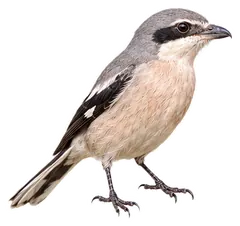 Iberian Grey ShrikeLanius meridionalis
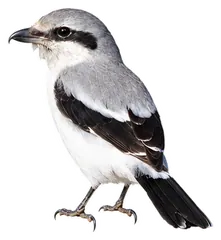 Northern ShrikeLanius borealis
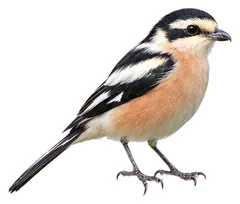 Masked ShrikeLanius nubicus
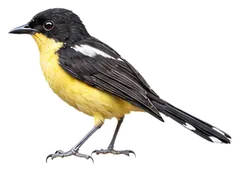 Sao Tome FiscalLanius newtoni
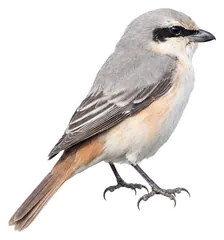
Download illustration
Free to use with credit: “Illustration: Bird Album (birdalbum.com)”. Drawn by AI from a reference photo by Julien Renoult. ↗
Heard it but can't see it? Mingji identifies birds by sound and photo, on your phone.