 Bird Album
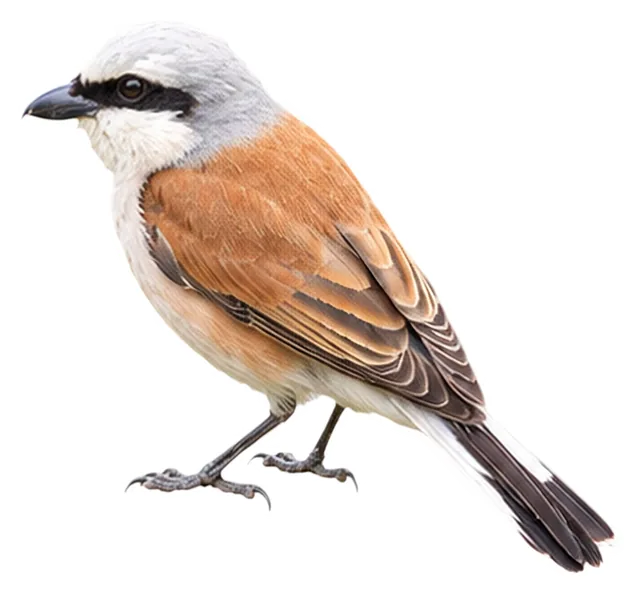
Red-backed Shrike
Lanius collurio Linnaeus, 1758
≈18 cmLength26 cmWingspan28 gWeight
The male has a gray head, red back and a single black stripe through the eye, and often impales prey on thorns.
Busiest months: May and September · Most records: Israel, Türkiye, South Africa
How to identify
Field marks
- Male has reddish upperparts
- Head gray, with a single black stripe through the eye
- Underparts pink-tinged
- Tail feathers black-and-white
Male, female and young
Female and juvenile have brown upperparts and buff underparts, both finely vermiculated.
Where and when it's recorded

Red-backed Shrike has been recorded at 1,300 of the 8,171 birding hotspots we track, in 99 countries and regions.
Records by month Northern Hemisphere
Where it's recorded most
- International Birding and Research Center Eilat (IBRCE)Israel1,558 records
- Aras Kuş Halkalama İstasyonuTürkiye1,315 records
- RivaTürkiye964 records
More places
- Jerusalem Bird ObservatoryIsrael877 records
- Hatzuk Beach TLVIsrael829 records
- Gazelle ValleyIsrael629 records
- WagbachniederungGermany446 records
- Chorokhi River DeltaGeorgia428 records
- Eilat – KM20 Flamingo Pools 20Israel423 records
- Zaagkuildrift RdSouth Africa422 records
Countries and regions with the most records
eBird records via GBIF up to 2024-12-31. A record means someone listed it; more records partly mean more birders, not more birds.
About
The red-backed shrike (Lanius collurio) is a carnivorous passerine bird and member of the shrike family, Laniidae. Its breeding range stretches from Western Europe east to central Russia. It is migratory and winters in the eastern areas of tropical Africa and southern Africa.
Excerpt from Wikipedia, CC BY-SA 4.0 · authors · Read more on Wikipedia
Questions
How big is the Red-backed Shrike?
The Red-backed Shrike is about ≈18 cm long, with a wingspan of 26 cm and weighs around 28 g.
Where does the Red-backed Shrike live?
Its breeding range: Palearctic: Europe to western Siberia, western Kazakhstan, Turkey and northwestern Iran. It is most often recorded in Israel, Türkiye and South Africa.
When is the best time to see the Red-backed Shrike?
At the hotspots we track, it is recorded most in May and September (Northern Hemisphere).
Is the Red-backed Shrike endangered?
The IUCN Red List classifies the Red-backed Shrike as Least Concern.
What does the Red-backed Shrike eat?
Main food: Insects & other invertebrates.
What family is the Red-backed Shrike in?
It belongs to the family Shrikes (Laniidae), order Passerines (Passeriformes).
At a glance
- Length
- ≈18 cm
- Wingspan
- 26 cm
- Weight
- 28 g
- Habitat
- Woodland
- Diet
- Insects & other invertebrates
- Lifestyle
- Perches in trees
- Migration
- Migratory
- Conservation
- Least Concern
More measurements
- Wing
- 94 mm
- Tail
- 76 mm
- Bill
- 19 mm
- Tarsus
- 24 mm
Averages from the AVONET dataset; length from field guides where available.
Range
Palearctic: Europe to western Siberia, western Kazakhstan, Turkey and northwestern Iran
Breeding range, IOC World Bird List 15.2
Classification
- Order
- Passerines Passeriformes
- Family
- Shrikes Laniidae
- Genus
- Lanius
Other birds in the genus Lanius
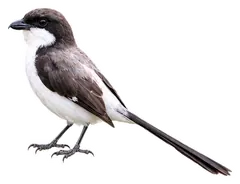 Long-tailed FiscalLanius cabanisi
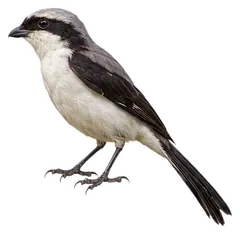 Grey-backed FiscalLanius excubitoroides
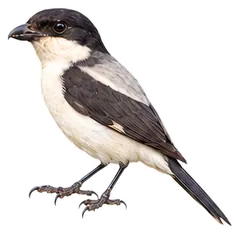 Taita FiscalLanius dorsalis
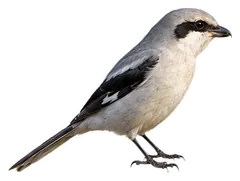 Great Grey ShrikeLanius excubitor
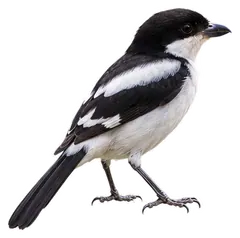 Somali FiscalLanius somalicus
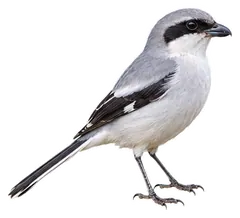 Loggerhead ShrikeLanius ludovicianus
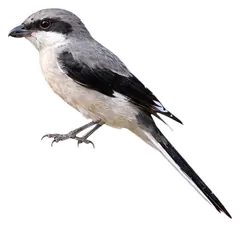 Giant Grey ShrikeLanius giganteus
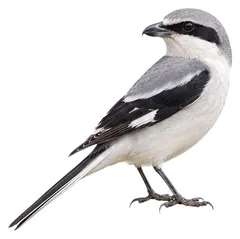 Chinese Grey ShrikeLanius sphenocercus
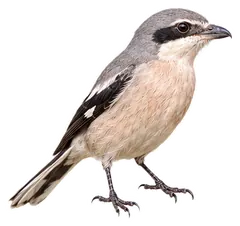 Iberian Grey ShrikeLanius meridionalis
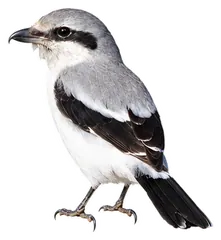 Northern ShrikeLanius borealis
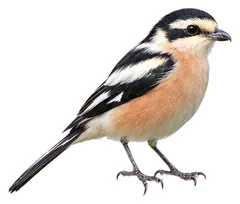 Masked ShrikeLanius nubicus
 Sao Tome FiscalLanius newtoni
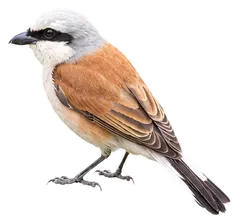
Download illustration
Free to use with credit: “Illustration: Bird Album (birdalbum.com)”. Drawn by AI from a reference photo by SteveM4560. ↗
Heard it but can't see it? Mingji identifies birds by sound and photo, on your phone.