 Bird Album
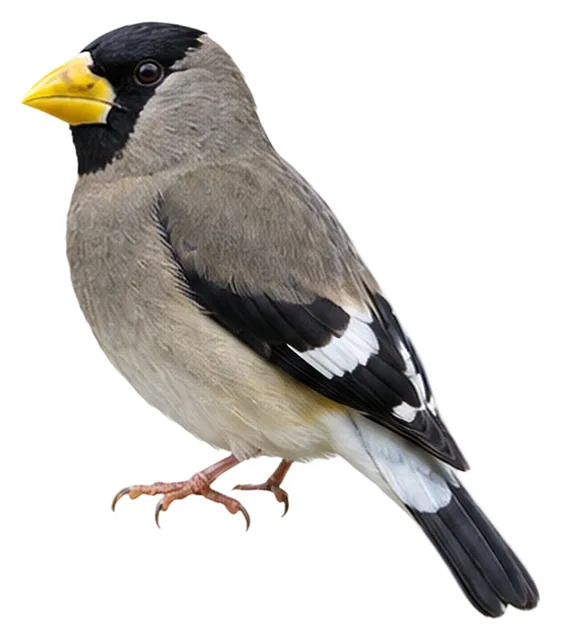
Japanese Grosbeak
Eophona personata (Temminck & Schlegel, 1847)
18–23 cmLength80 gWeight
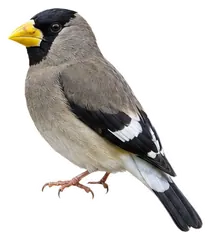
It has a large, pointed, bright yellow bill and an extensive black area on the head, with a white band on the wings visible in flight.
Busiest months: May · Most records: Japan, China, South Korea
How to identify
Field marks
- Large, pointed, bright yellow bill
- Head black
- Side of neck pale whitish-gray, belly dark gray
- Wings and tail black, with a white band across the middle of the primaries
Male, female and young
Juvenile is duller overall, with no black markings on the head.
Voice
Gives a short, loud “tak tak” in flight; song consists of 4 flute-like whistles.
Where and when it's recorded
Busiest months: May · Most records: Japan, China, South Korea

Japanese Grosbeak has been recorded at 258 of the 8,276 birding hotspots we track, in 7 countries and regions.
Records by month Northern Hemisphere
Where it's recorded most
- Kyoto – Kyoto Gyoen Garden / Kyoto Imperial Palace ParkJapan308 records
- Karuizawa – Karuizawa Wild Bird SanctuaryJapan244 records
- Wajima – Hegurajima (island)Japan148 records
More places
- Okayama – Okayama Korakuen GardenJapan95 records
- Nerima Ward – Shakujii ParkJapan93 records
- Sakata – Tobishima (island)Japan77 records
- Hachioji – Mount TakaoJapan74 records
- Eocheong-do (island)South Korea70 records
- Nagano – Togakushi Forest ParkJapan59 records
- Kumamoto – Kamiezu LakeJapan54 records
Countries and regions with the most records
eBird records via GBIF up to 2024-12-31. A record means someone listed it; more records partly mean more birders, not more birds.
About
The Japanese grosbeak (Eophona personata) or Ikaru is a finch native to the East Palearctic. It is also sometimes referred to as the Japanese or masked hawfinch due to superficial similarities to the well-known Eurasian species.
Excerpt from Wikipedia, CC BY-SA 4.0 · authors · Read more on Wikipedia
Questions
How big is the Japanese Grosbeak?
The Japanese Grosbeak is about 18–23 cm long and weighs around 80 g.
Where does the Japanese Grosbeak live?
Its breeding range: Palearctic: Amurland, Ussuriland and Sakhalin (Russian Far East), Heilongjiang and Jilin (northeastern China), Hokkaido through Kyushu (Japan). It is most often recorded in Japan, China and South Korea.
When is the best time to see the Japanese Grosbeak?
At the hotspots we track, it is recorded most in May (Northern Hemisphere).
Is the Japanese Grosbeak endangered?
The IUCN Red List classifies the Japanese Grosbeak as Least Concern.
What does the Japanese Grosbeak eat?
Main food: Omnivore.
What family is the Japanese Grosbeak in?
It belongs to the family Finches, Euphonias (Fringillidae), order Passerines (Passeriformes).
At a glance
- Length
- 18–23 cm
- Weight
- 80 g
- Habitat
- Forest
- Diet
- Omnivore
- Lifestyle
- Perches in trees
- Migration
- Resident (barely migrates)
- Conservation
- Least Concern
More measurements
- Wing
- 109 mm
- Tail
- 80 mm
- Bill
- 26 mm
- Tarsus
- 22 mm
Averages from the AVONET dataset; length from field guides where available.
Range
Palearctic: Amurland, Ussuriland and Sakhalin (Russian Far East), Heilongjiang and Jilin (northeastern China), Hokkaido through Kyushu (Japan)
Breeding range, IOC World Bird List 15.2
Subspecies · 1
- Eophona personata magnirostris se Siberia, ne China and ?n Korean Pen. | non-breeding: s China
Classification
- Order
- Passerines Passeriformes
- Family
- Finches, Euphonias Fringillidae
- Genus
- Eophona
Other birds in the genus Eophona
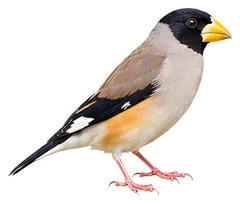 Chinese GrosbeakEophona migratoria
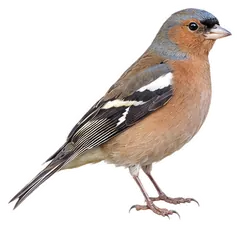 Eurasian ChaffinchFringilla coelebs
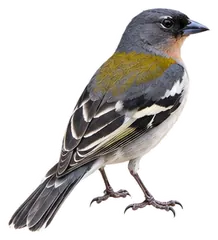 African ChaffinchFringilla spodiogenys
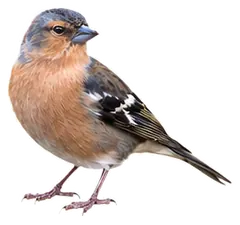 Azores ChaffinchFringilla moreletti
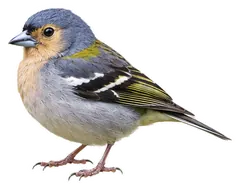 Madeira ChaffinchFringilla maderensis
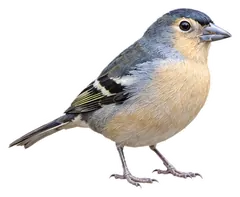 Canary Islands ChaffinchFringilla canariensis
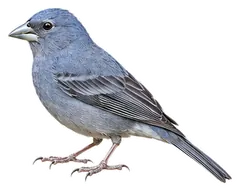 Tenerife Blue ChaffinchFringilla teydea
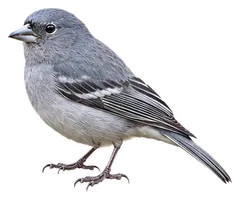 Gran Canaria Blue ChaffinchFringilla polatzeki
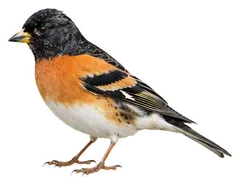 BramblingFringilla montifringilla
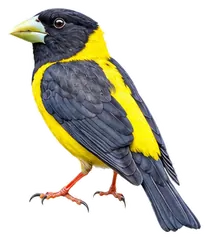 Black-and-yellow GrosbeakMycerobas icterioides
Download illustration
Free to use with credit: “Illustration: Bird Album (birdalbum.com)”. Drawn by AI from a reference photo by Francesco Veronesi. ↗

Heard it but can't see it? Mingji identifies birds by sound and photo, on your phone.
In other languages
- EnglishJapanese Grosbeak
- 简体中文黑头蜡嘴雀
- 繁體中文桑鳲
- 日本語イカル
- 한국어큰부리밀화부리
- DeutschMaskenkernbeißer
- FrançaisGros-bec masqué
- EspañolPicogordo japonés
- Portuguêsbico-grossudo-japonês
- ItalianoBeccogrosso del Giappone
- NederlandsMaskerdikbek
- РусскийБольшой черноголовый дубонос
- Svenskastörre maskstenknäck
- DanskMaskekernebider
- Polskigrubodziób japoński