 Bird Album
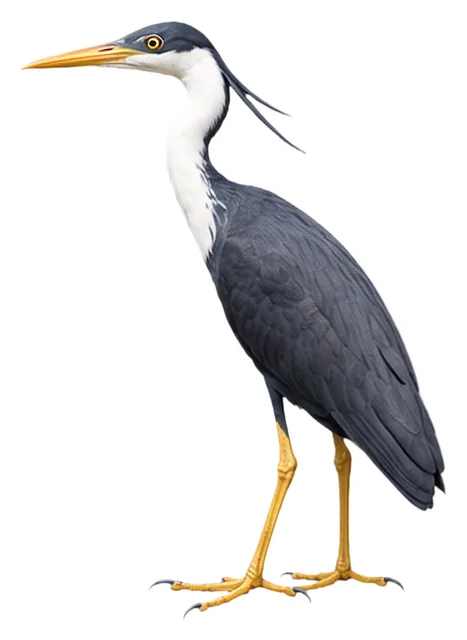
Pied Heron
Egretta picata (Gould, 1845)
43–55 cmLength259 gWeight
It is a small heron, the adult having a dark slate-gray body and a white throat and neck.
Busiest months: July–October · Most records: Australia, Papua New Guinea, Timor-Leste
How to identify
Field marks
- Adult has dark gray wings, body and crested head
- Adult has a white throat and neck
Male, female and young
Sexes similar, but the male is heavier; immatures lack a crest and do not have a dark head.
Voice
A loud “awk” or “ohrk” in flight, with soft cooing at the nest.
Where and when it's recorded

Pied Heron has been recorded at 44 of the 8,171 birding hotspots we track, in 5 countries and regions.
Records by month Southern Hemisphere
Where it's recorded most
- Fogg Dam Conservation ReserveAustralia1,449 records
- Kakadu National Park – Yellow WaterAustralia1,024 records
- Katherine Wastewater Treatment PlantAustralia899 records
More places
- Leanyer PondsAustralia759 records
- Holmes Jungle Nature ReserveAustralia534 records
- Pacific Adventist UniversityPapua New Guinea514 records
- Townsville Town Common Conservation ParkAustralia37 records
- Muirhead bushlandAustralia34 records
- Keatings Lagoon Conservation ParkAustralia33 records
- Buffalo CreekAustralia30 records
Countries and regions with the most records
eBird records via GBIF up to 2024-12-31. A record means someone listed it; more records partly mean more birders, not more birds.
About
The pied heron (Egretta picata), also known as the pied egret is a bird found in coastal and subcoastal areas of monsoonal northern Australia as well as some parts of Wallacea and New Guinea.
Excerpt from Wikipedia, CC BY-SA 4.0 · authors · Read more on Wikipedia
Questions
How big is the Pied Heron?
The Pied Heron is about 43–55 cm long and weighs around 259 g.
Where does the Pied Heron live?
Its breeding range: Australasia: Sulawesi and northeastern Western Australia to northeastern Queensland (northern Australia). It is most often recorded in Australia, Papua New Guinea and Timor-Leste.
When is the best time to see the Pied Heron?
At the hotspots we track, it is recorded most in July, August, September and October (Southern Hemisphere).
Is the Pied Heron endangered?
The IUCN Red List classifies the Pied Heron as Least Concern.
What does the Pied Heron eat?
Main food: Fish, shrimp & shellfish.
What family is the Pied Heron in?
It belongs to the family Herons, Bitterns (Ardeidae), order Pelecaniformes.
At a glance
- Length
- 43–55 cm
- Weight
- 259 g
- Habitat
- Coast & tidal flats
- Diet
- Fish, shrimp & shellfish
- Lifestyle
- Active on the ground
- Migration
- Resident (barely migrates)
- Conservation
- Least Concern
More measurements
- Wing
- 226 mm
- Tail
- 86 mm
- Bill
- 68 mm
- Tarsus
- 76 mm
Averages from the AVONET dataset; length from field guides where available.
Range
Australasia: Sulawesi and northeastern Western Australia to northeastern Queensland (northern Australia)
Breeding range, IOC World Bird List 15.2
Classification
- Order
- Pelecaniformes
- Family
- Herons, Bitterns Ardeidae
- Genus
- Egretta
Other birds in the genus Egretta
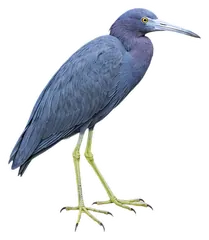 Little Blue HeronEgretta caerulea
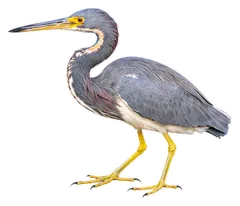 Tricolored HeronEgretta tricolor
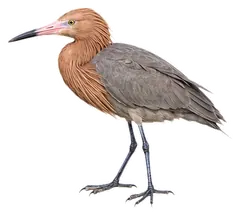 Reddish EgretEgretta rufescens
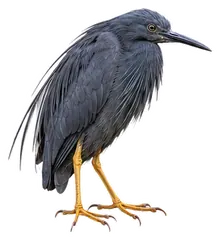 Slaty EgretEgretta vinaceigula
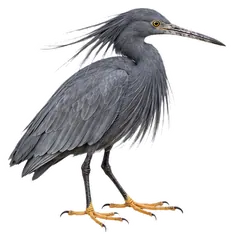 Black HeronEgretta ardesiaca
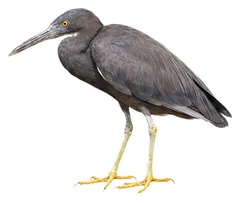 Pacific Reef HeronEgretta sacra
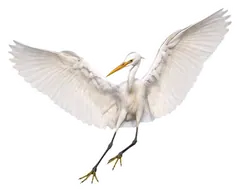 Chinese EgretEgretta eulophotes
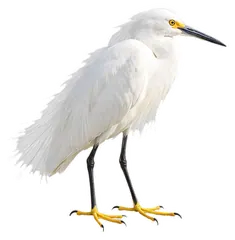 Snowy EgretEgretta thula
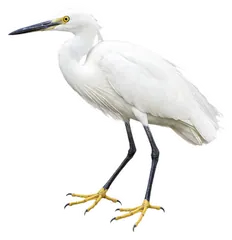 Little EgretEgretta garzetta
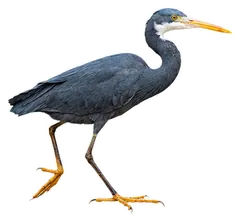 Western Reef HeronEgretta gularis
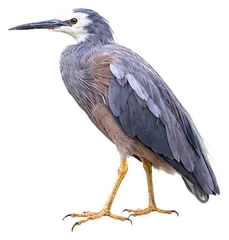 White-faced HeronEgretta novaehollandiae
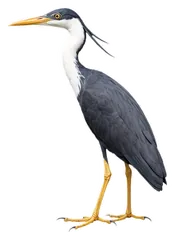
Download illustration
Free to use with credit: “Illustration: Bird Album (birdalbum.com)”. Drawn by AI from a reference photo by Ceara Rickard. ↗
Heard it but can't see it? Mingji identifies birds by sound and photo, on your phone.