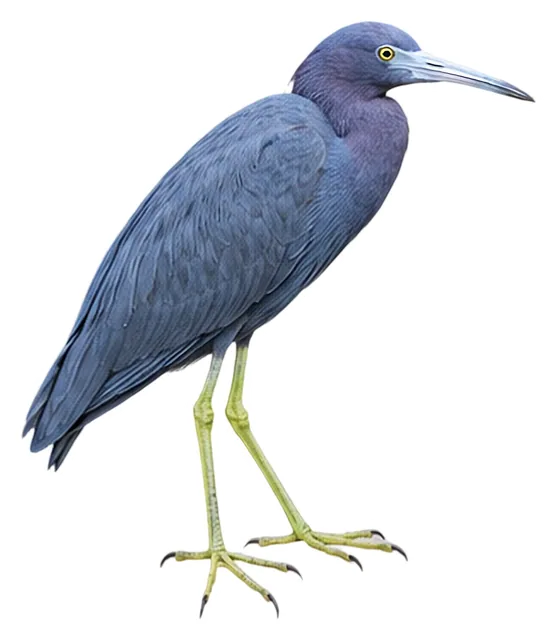
Little Blue Heron
Egretta caerulea (Linnaeus, 1758)
339 gWeight
The little blue heron (Egretta caerulea) is a small heron of the genus Egretta.
Busiest months: January–April · Most records: United States, Costa Rica, Belize
Where and when it's recorded
Busiest months: January–April · Most records: United States, Costa Rica, Belize

Little Blue Heron has been recorded at 1,361 of the 8,276 birding hotspots we track, in 52 countries and regions.
Records by month Northern Hemisphere
Where it's recorded most
- Sweetwater Wetlands ParkUnited States14,944 records
- Merritt Island NWR – Black Point Wildlife DriveUnited States14,841 records
- The Celery FieldsUnited States14,455 records
More places
- Audubon Corkscrew Swamp SanctuaryUnited States13,627 records
- Lake Apopka Wildlife DriveUnited States12,943 records
- Estero Llano Grande SP WBCUnited States12,453 records
- Green Cay Wetlands & Nature CenterUnited States10,723 records
- San Diego River mudflatsUnited States10,438 records
- Orlando WetlandsUnited States9,081 records
- J. N. Ding Darling NWR – Wildlife DriveUnited States9,050 records
Countries and regions with the most records
eBird records via GBIF up to 2024-12-31. A record means someone listed it; more records partly mean more birders, not more birds.
About
The little blue heron (Egretta caerulea) is a small heron of the genus Egretta. It is a small, darkly colored heron with a two-toned bill. Juveniles are entirely white, bearing resemblance to the snowy egret.
Excerpt from Wikipedia, CC BY-SA 4.0 · authors · Read more on Wikipedia
Questions
How big is the Little Blue Heron?
The Little Blue Heron weighs around 339 g.
Where does the Little Blue Heron live?
Its breeding range: North America, Middle America, South America: southeastern USA to southern Brazil. It is most often recorded in United States, Costa Rica and Belize.
When is the best time to see the Little Blue Heron?
At the hotspots we track, it is recorded most in January, February, March and April (Northern Hemisphere).
Is the Little Blue Heron endangered?
The IUCN Red List classifies the Little Blue Heron as Least Concern.
What does the Little Blue Heron eat?
Main food: Fish, shrimp & shellfish.
What family is the Little Blue Heron in?
It belongs to the family Herons, Bitterns (Ardeidae), order Pelecaniformes.
At a glance
- Weight
- 339 g
- Habitat
- Wetland
- Diet
- Fish, shrimp & shellfish
- Lifestyle
- Active on the ground
- Migration
- Resident (barely migrates)
- Conservation
- Least Concern
More measurements
- Wing
- 258 mm
- Tail
- 88 mm
- Bill
- 78 mm
- Tarsus
- 92 mm
Averages from the AVONET dataset; length from field guides where available.
Range
North America, Middle America, South America: southeastern USA to southern Brazil
Breeding range, IOC World Bird List 15.2
Classification
- Order
- Pelecaniformes
- Family
- Herons, Bitterns Ardeidae
- Genus
- Egretta
Other birds in the genus Egretta
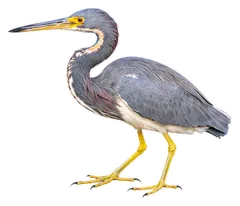 Tricolored HeronEgretta tricolor
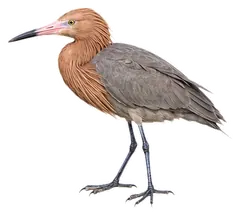 Reddish EgretEgretta rufescens
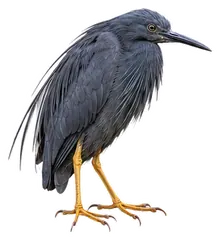 Slaty EgretEgretta vinaceigula
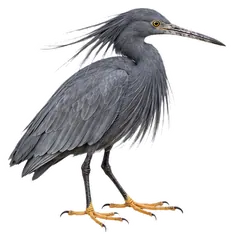 Black HeronEgretta ardesiaca
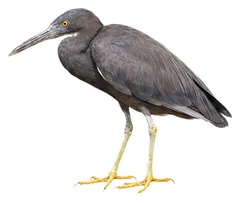 Pacific Reef HeronEgretta sacra
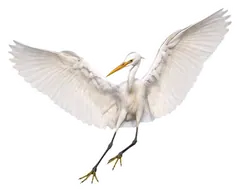 Chinese EgretEgretta eulophotes
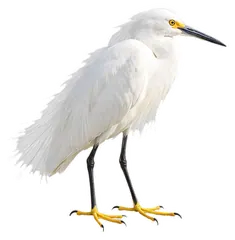 Snowy EgretEgretta thula
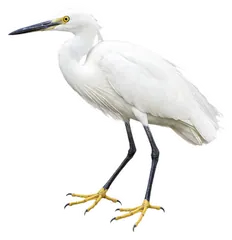 Little EgretEgretta garzetta
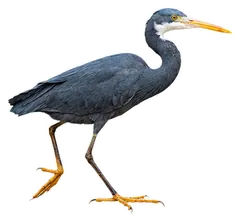 Western Reef HeronEgretta gularis
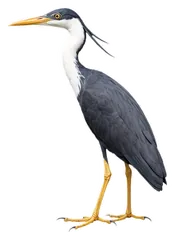 Pied HeronEgretta picata
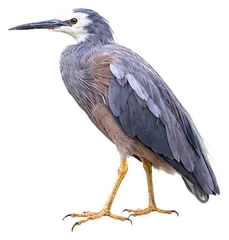 White-faced HeronEgretta novaehollandiae
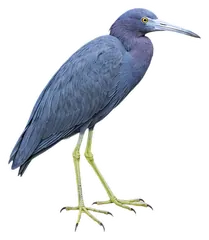
Download illustration
Free to use with credit: “Illustration: Bird Album (birdalbum.com)”. Drawn by AI from a reference photo by MARMAR. ↗
Heard it but can't see it? Mingji identifies birds by sound and photo, on your phone.