 Bird Album
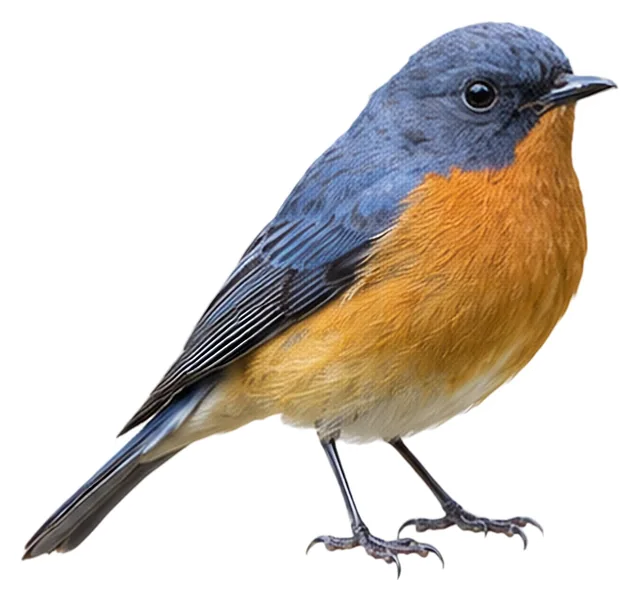
Slaty-backed Flycatcher
Ficedula erithacus (Blyth, 1861)
≈12 cmLength10 gWeight
This omnivorous flycatcher inhabits moist lowland and mountain forest.
Busiest months: February · Most records: Thailand, China, India
How to identify
Where and when it's recorded

Slaty-backed Flycatcher has been recorded at 231 of the 8,171 birding hotspots we track, in 7 countries and regions.
Records by month Northern Hemisphere
Where it's recorded most
- Doi Pha Hom Pok NP – Doi Lang (W), AKA Doi San JuThailand542 records
- Doi Inthanon NPThailand248 records
- Doi Inthanon NP – summitThailand224 records
More places
- Doi Pha Hom Pok NP – Doi AngkhangThailand178 records
- Doi Pha Hom Pok NP – Doi Lang (W) level part / "Oasis"Thailand151 records
- Baxi ForestChina143 records
- Doi Inthanon NP – Mae Ouam (Km 34.5)Thailand123 records
- Doi Pha Hom Pok NP – Doi Lang (W) stakeout Mrs Hume's Pheasant [ARRIVE BEFORE SUNRISE & WAIT IN THE CAR ON THE LEFT SIDE OF THE RD.]Thailand117 records
- Doi Inthanon NP – Doi Pha Tang campgroundsThailand108 records
- MengbishanChina86 records
Countries and regions with the most records
eBird records via GBIF up to 2024-12-31. A record means someone listed it; more records partly mean more birders, not more birds.
Questions
How big is the Slaty-backed Flycatcher?
The Slaty-backed Flycatcher is about ≈12 cm long and weighs around 10 g.
Where does the Slaty-backed Flycatcher live?
Its breeding range: Oriental: Himalayas to eastern India and Southeast Asia. It is most often recorded in Thailand, China and India.
When is the best time to see the Slaty-backed Flycatcher?
At the hotspots we track, it is recorded most in February (Northern Hemisphere).
Is the Slaty-backed Flycatcher endangered?
The IUCN Red List classifies the Slaty-backed Flycatcher as Least Concern.
What does the Slaty-backed Flycatcher eat?
Main food: Omnivore.
What family is the Slaty-backed Flycatcher in?
It belongs to the family Chats, Old World Flycatchers (Muscicapidae), order Passerines (Passeriformes).
At a glance
- Length
- ≈12 cm
- Weight
- 10 g
- Habitat
- Forest
- Diet
- Omnivore
- Lifestyle
- Perches in trees
- Migration
- Resident (barely migrates)
- Conservation
- Least Concern
More measurements
- Wing
- 70 mm
- Tail
- 55 mm
- Bill
- 11 mm
- Tarsus
- 16 mm
Averages from the AVONET dataset; length from field guides where available.
Range
Oriental: Himalayas to eastern India and Southeast Asia
Breeding range, IOC World Bird List 15.2
Classification
- Order
- Passerines Passeriformes
- Family
- Chats, Old World Flycatchers Muscicapidae
- Genus
- Ficedula
Other birds in the genus Ficedula
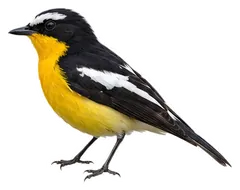 Yellow-rumped FlycatcherFicedula zanthopygia
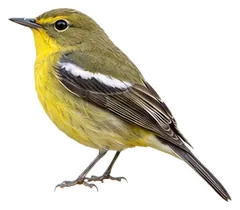 Green-backed FlycatcherFicedula elisae
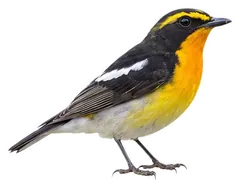 Narcissus FlycatcherFicedula narcissina
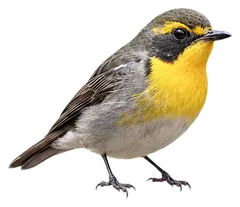 Ryukyu FlycatcherFicedula owstoni
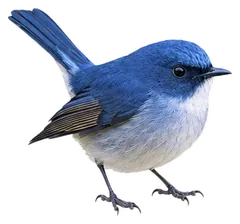 Slaty-blue FlycatcherFicedula tricolor
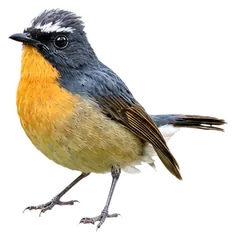 Snowy-browed FlycatcherFicedula hyperythra
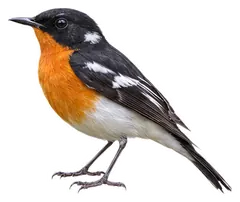 Mugimaki FlycatcherFicedula mugimaki
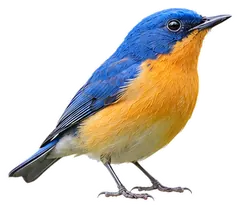 Pygmy FlycatcherFicedula hodgsoni
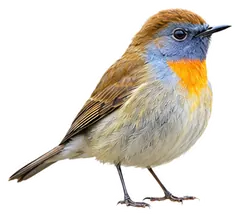 Rufous-gorgeted FlycatcherFicedula strophiata
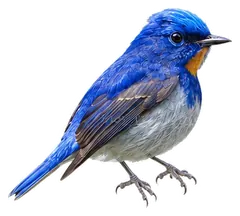 Sapphire FlycatcherFicedula sapphira
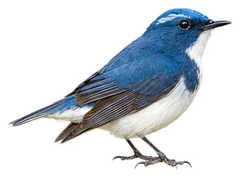 Ultramarine FlycatcherFicedula superciliaris
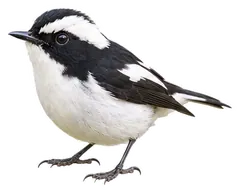 Little Pied FlycatcherFicedula westermanni
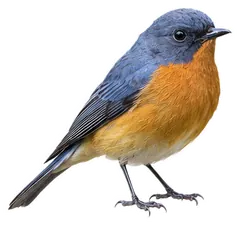
Download illustration
Free to use with credit: “Illustration: Bird Album (birdalbum.com)”. Drawn by AI from a reference photo by Jason Thompson. ↗

Heard it but can't see it? Mingji identifies birds by sound and photo, on your phone.
In other languages
- EnglishSlaty-backed Flycatcher
- 简体中文锈胸蓝姬鹟
- 繁體中文鏽胸姬鶲
- 日本語セアオビタキ
- DeutschSchiefermantelschnäpper
- FrançaisGobemouche de Hodgson
- EspañolPapamoscas pechirrojo
- Portuguêspapa-moscas-de-dorso-ardósia
- ItalianoPigliamosche dorsoardesia
- NederlandsHodgsons Vliegenvanger
- РусскийЗарянковая мухоловка
- Svenskaskifferryggig flugsnappare
- DanskIndisk Fluesnapper
- Polskimuchołówka rdzawobrzucha