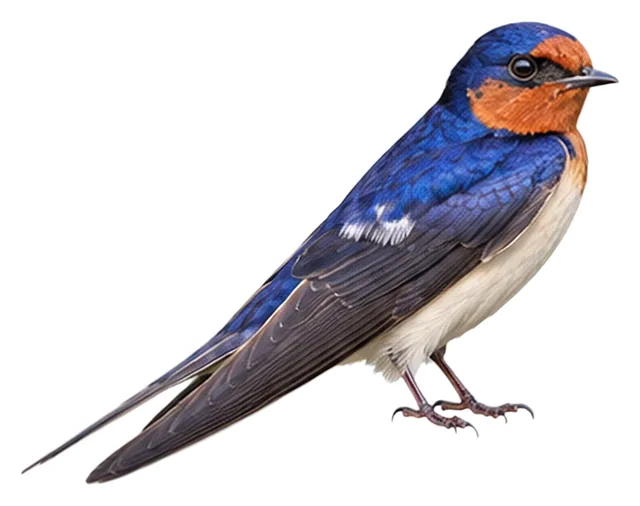
Welcome Swallow
Hirundo neoxena Gould, 1842
15 gWeight
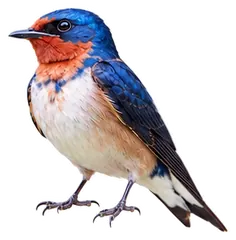
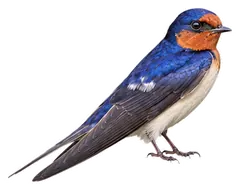
The welcome swallow (Hirundo neoxena) is a small passerine bird in the swallow family Hirundinidae that is native to Australia and nearby islands.
Busiest months: October–November · Most records: Australia, New Zealand, Norfolk Island
Where and when it's recorded
Busiest months: October–November · Most records: Australia, New Zealand, Norfolk Island

Welcome Swallow has been recorded at 343 of the 8,276 birding hotspots we track, in 4 countries and regions.
Records by month Southern Hemisphere
Where it's recorded most
- Western Treatment PlantAustralia8,991 records
- Jerrabomberra Wetlands Nature ReserveAustralia7,328 records
- Oxley Creek CommonAustralia5,962 records
More places
- Sandy Camp Road WetlandsAustralia5,214 records
- Royal ParkAustralia4,784 records
- Cairns EsplanadeAustralia4,659 records
- Centennial ParkAustralia4,105 records
- O'Reilly's Rainforest RetreatAustralia3,327 records
- Banyule Flats ReserveAustralia2,957 records
- Albert ParkAustralia2,944 records
Countries and regions with the most records
eBird records via GBIF up to 2024-12-31. A record means someone listed it; more records partly mean more birders, not more birds.
About
The welcome swallow (Hirundo neoxena) is a small passerine bird in the swallow family Hirundinidae that is native to Australia and nearby islands. It has self-introduced into New Zealand in the middle of the twentieth century. It is very similar to the Pacific swallow with which it is often considered conspecific.
Excerpt from Wikipedia, CC BY-SA 4.0 · authors · Read more on Wikipedia
Questions
How big is the Welcome Swallow?
The Welcome Swallow weighs around 15 g.
Where does the Welcome Swallow live?
Its breeding range: Australasia: Australia, Tasmania, Lord Howe and Norfolk islands (east of Australia), New Zealand and northern outlying islands. It is most often recorded in Australia, New Zealand and Norfolk Island.
When is the best time to see the Welcome Swallow?
At the hotspots we track, it is recorded most in October and November (Southern Hemisphere).
Is the Welcome Swallow endangered?
The IUCN Red List classifies the Welcome Swallow as Least Concern.
What does the Welcome Swallow eat?
Main food: Insects & other invertebrates.
What family is the Welcome Swallow in?
It belongs to the family Swallows, Martins (Hirundinidae), order Passerines (Passeriformes).
At a glance
- Weight
- 15 g
- Habitat
- Wetland
- Diet
- Insects & other invertebrates
- Lifestyle
- Feeds in the air
- Migration
- Migratory
- Conservation
- Least Concern
More measurements
- Wing
- 112 mm
- Tail
- 78 mm
- Bill
- 12 mm
- Tarsus
- 11 mm
Averages from the AVONET dataset; length from field guides where available.
Range
Australasia: Australia, Tasmania, Lord Howe and Norfolk islands (east of Australia), New Zealand and northern outlying islands
Breeding range, IOC World Bird List 15.2
Classification
- Order
- Passerines Passeriformes
- Family
- Swallows, Martins Hirundinidae
- Genus
- Hirundo
Other birds in the genus Hirundo
 Blue SwallowHirundo atrocaerulea
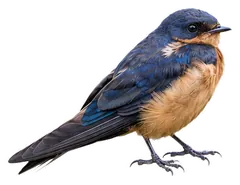 Black-and-rufous SwallowHirundo nigrorufa
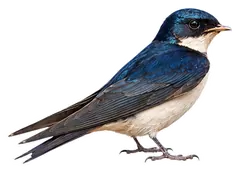 Pearl-breasted SwallowHirundo dimidiata
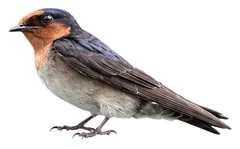 Hill SwallowHirundo domicola
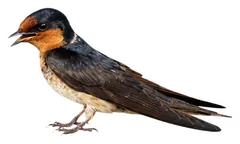 Pacific SwallowHirundo javanica
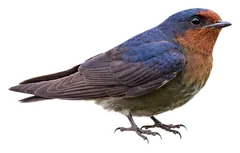 Tahiti SwallowHirundo tahitica
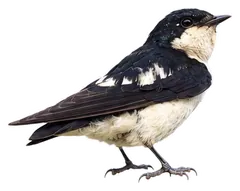 Pied-winged SwallowHirundo leucosoma
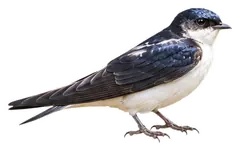 White-tailed SwallowHirundo megaensis
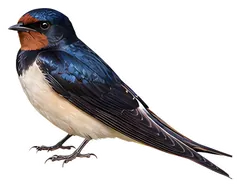 Barn SwallowHirundo rustica
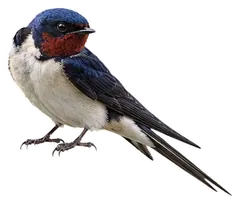 Red-chested SwallowHirundo lucida
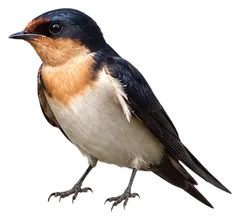 Ethiopian SwallowHirundo aethiopica
 Angola SwallowHirundo angolensis
Download illustration
Free to use with credit: “Illustration: Bird Album (birdalbum.com)”. Drawn by AI from a reference photo by Shane Walker. ↗
Heard it but can't see it? Mingji identifies birds by sound and photo, on your phone.
In other languages
- EnglishWelcome Swallow
- 简体中文迎燕
- 繁體中文喜燕
- 日本語オーストラリアツバメ
- DeutschGlücksschwalbe
- FrançaisHirondelle messagère
- EspañolGolondrina australiana
- Portuguêsandorinha-australiana
- ItalianoRondine benvenuta
- NederlandsWelkomzwaluw
- РусскийКраснолобая ласточка
- Svenskavälkomstsvala
- DanskAustralsk Landsvale
- Polskijaskółka australijska