 Bird Album
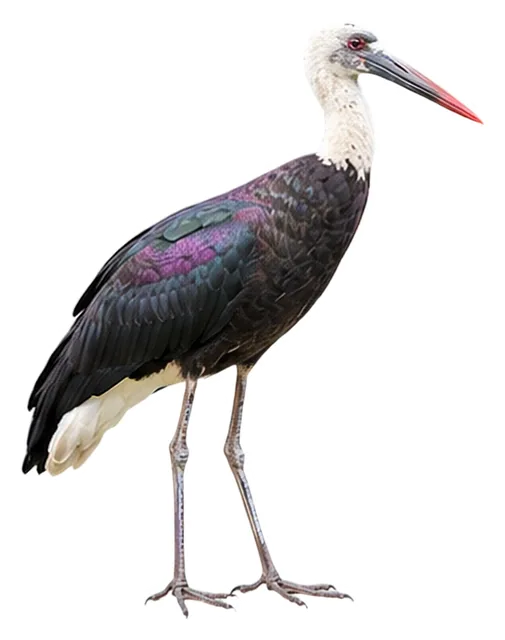
African Woolly-necked Stork
Ciconia microscelis Gray, GR, 1848
2.1 kgWeight
The African woolly-necked stork or African woollyneck (Ciconia microscelis) is a species of large wading bird in the stork family Ciconiidae.
Busiest months: November · Most records: South Africa, Kenya, Uganda
Where and when it's recorded

African Woolly-necked Stork has been recorded at 316 of the 8,171 birding hotspots we track, in 32 countries and regions.
Records by month Southern Hemisphere
Where it's recorded most
- Umlalazi NRSouth Africa338 records
- Eshowe – Dlinza ForestSouth Africa316 records
- Mkhuze GRSouth Africa282 records
More places
- Maasai Mara NR – Mara TriangleKenya255 records
- Mole NP – Mole Hotel & waterholeGhana254 records
- Nguuni Nature SanctuaryKenya249 records
- iSimangaliso WP – Eastern ShoresSouth Africa234 records
- St Lucia – iMfolozi River mouthSouth Africa184 records
- Mida CreekKenya180 records
- Bela Vista WetlandsMozambique174 records
Countries and regions with the most records
eBird records via GBIF up to 2024-12-31. A record means someone listed it; more records partly mean more birders, not more birds.
About
The African woolly-necked stork or African woollyneck (Ciconia microscelis) is a species of large wading bird in the stork family Ciconiidae. It breeds singly, or in small loose colonies. It is distributed in a wide variety of habitats including marshes in forests, agricultural areas, and freshwater wetlands across Africa.
Excerpt from Wikipedia, CC BY-SA 4.0 · authors · Read more on Wikipedia
Questions
How big is the African Woolly-necked Stork?
The African Woolly-necked Stork weighs around 2.1 kg.
Where does the African Woolly-necked Stork live?
Its breeding range: Africa: Africa south of the Sahara. It is most often recorded in South Africa, Kenya and Uganda.
When is the best time to see the African Woolly-necked Stork?
At the hotspots we track, it is recorded most in November (Southern Hemisphere).
Is the African Woolly-necked Stork endangered?
The IUCN Red List classifies the African Woolly-necked Stork as Least Concern.
What does the African Woolly-necked Stork eat?
Main food: Fish, shrimp & shellfish.
What family is the African Woolly-necked Stork in?
It belongs to the family Storks (Ciconiidae), order Ciconiiformes.
At a glance
- Weight
- 2.1 kg
- Habitat
- Wetland
- Diet
- Fish, shrimp & shellfish
- Lifestyle
- Active on the ground
- Migration
- Resident (barely migrates)
- Conservation
- Least Concern
More measurements
- Wing
- 480 mm
- Tail
- 193 mm
- Bill
- 153 mm
- Tarsus
- 162 mm
Averages from the AVONET dataset; length from field guides where available.
Range
Africa: Africa south of the Sahara
Breeding range, IOC World Bird List 15.2
Classification
- Order
- Ciconiiformes
- Family
- Storks Ciconiidae
- Genus
- Ciconia
Other birds in the genus Ciconia
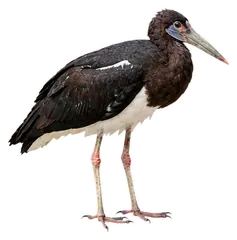 Abdim's StorkCiconia abdimii
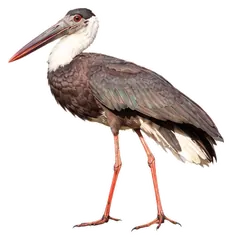 Asian Woolly-necked StorkCiconia episcopus
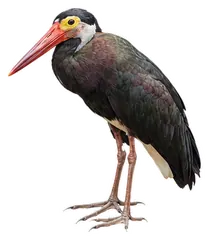 Storm's StorkCiconia stormi
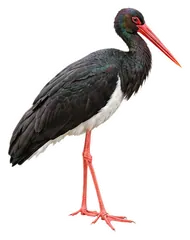 Black StorkCiconia nigra
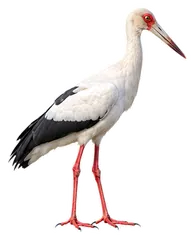 Maguari StorkCiconia maguari
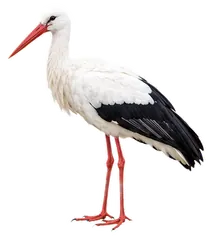 White StorkCiconia ciconia
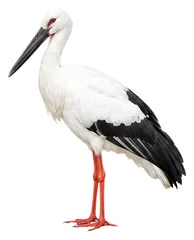 Oriental StorkCiconia boyciana
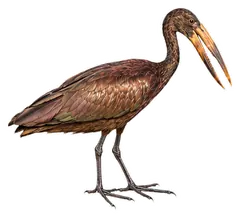 African OpenbillAnastomus lamelligerus
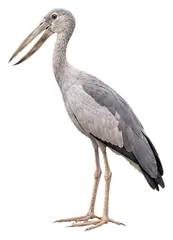 Asian OpenbillAnastomus oscitans
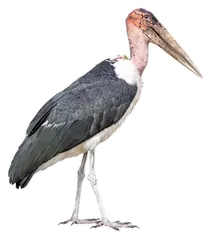 Marabou StorkLeptoptilos crumenifer
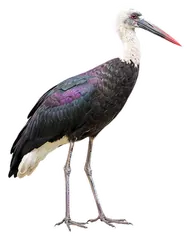
Download illustration
Free to use with credit: “Illustration: Bird Album (birdalbum.com)”. Drawn by AI from reference photos. ↗
Heard it but can't see it? Mingji identifies birds by sound and photo, on your phone.
In other languages
- EnglishAfrican Woolly-necked Stork
- 简体中文非洲白颈鹳
- 繁體中文非洲白頸鸛
- DeutschAfrika-Wollhalsstorch
- FrançaisCigogne à pattes noires
- EspañolCigüeña lanuda africana
- Portuguêscegonha-episcopal-africana
- NederlandsAfrikaanse Bisschopsooievaar
- РусскийБелошейный аист
- Svenskaafrikansk ullhalsstork
- DanskSydafrikansk Uldhalsstork
- Polskibocian czarnoczelny