 Bird Album
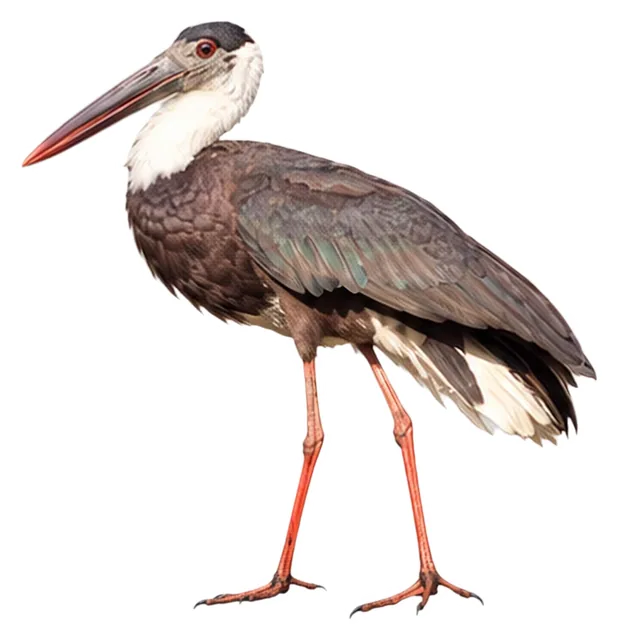
Asian Woolly-necked Stork
Ciconia episcopus (Boddaert, 1783)
≈88 cmLength2.1 kgWeight
This stork is mostly glossy black, with white downy feathers on the neck, red legs and feet, and a blackish or dark red bill.
Busiest months: December–February · Most records: India, Sri Lanka, Nepal
How to identify
Field marks
- Body mostly glossy black; black cap on the crown
- Neck covered in white downy feathers
- Legs and feet red; bill heavy, blackish or dark red
Male, female and young
Sexes similar; male is thought to be larger; juvenile is duller, with a feathered forehead.
Voice
Adult gives a two-syllable whistle when displaying near the nest; strong hissing has also been recorded when attacked by trained falcons.
Where and when it's recorded

Asian Woolly-necked Stork has been recorded at 273 of the 8,171 birding hotspots we track, in 12 countries and regions.
Records by month Northern Hemisphere
Where it's recorded most
- Bharatpur – Keoladeo Ghana NPIndia1,798 records
- Ujani Dam – Kumbhargaon Bird SanctuaryIndia665 records
- Kaziranga NP & Surroundings – Eastern RangeIndia595 records
More places
- KattampallyIndia578 records
- Kaziranga NP & Surroundings – Western RangeIndia564 records
- TmatboeyCambodia519 records
- Dhanauri Wetlands – Dhanauri Kalan EastIndia497 records
- Haiderpur Wetlands and Bijnor BarrageIndia492 records
- ChanduIndia467 records
- Budhera Water Treatment PlantIndia463 records
Countries and regions with the most records
eBird records via GBIF up to 2024-12-31. A record means someone listed it; more records partly mean more birders, not more birds.
About
The Asian woolly-necked stork or Asian woollyneck (Ciconia episcopus) is a species of large wading bird in the stork family Ciconiidae. It breeds singly, or in small loose colonies. It is distributed in a wide variety of habitats including marshes in forests, agricultural areas, and freshwater wetlands across Asia.
Excerpt from Wikipedia, CC BY-SA 4.0 · authors · Read more on Wikipedia
Questions
How big is the Asian Woolly-necked Stork?
The Asian Woolly-necked Stork is about ≈88 cm long and weighs around 2.1 kg.
Where does the Asian Woolly-necked Stork live?
Its breeding range: Oriental, Australasia: widespread. It is most often recorded in India, Sri Lanka and Nepal.
When is the best time to see the Asian Woolly-necked Stork?
At the hotspots we track, it is recorded most in January, February and December (Northern Hemisphere).
Is the Asian Woolly-necked Stork endangered?
The IUCN Red List classifies the Asian Woolly-necked Stork as Near Threatened.
What does the Asian Woolly-necked Stork eat?
Main food: Fish, shrimp & shellfish.
What family is the Asian Woolly-necked Stork in?
It belongs to the family Storks (Ciconiidae), order Ciconiiformes.
At a glance
- Length
- ≈88 cm
- Weight
- 2.1 kg
- Habitat
- Wetland
- Diet
- Fish, shrimp & shellfish
- Lifestyle
- Active on the ground
- Migration
- Resident (barely migrates)
- Conservation
- Near Threatened
More measurements
- Wing
- 466 mm
- Tail
- 179 mm
- Bill
- 151 mm
- Tarsus
- 158 mm
Averages from the AVONET dataset; length from field guides where available.
Range
Oriental, Australasia: widespread
Breeding range, IOC World Bird List 15.2
Classification
- Order
- Ciconiiformes
- Family
- Storks Ciconiidae
- Genus
- Ciconia
Other birds in the genus Ciconia
 Abdim's StorkCiconia abdimii
 African Woolly-necked StorkCiconia microscelis
 Storm's StorkCiconia stormi
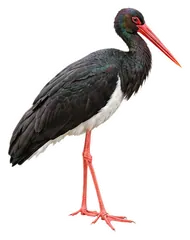 Black StorkCiconia nigra
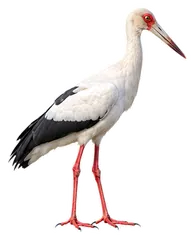 Maguari StorkCiconia maguari
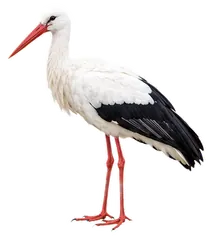 White StorkCiconia ciconia
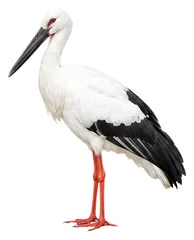 Oriental StorkCiconia boyciana
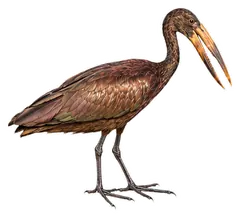 African OpenbillAnastomus lamelligerus
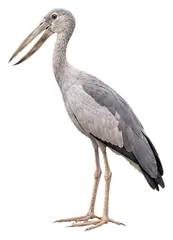 Asian OpenbillAnastomus oscitans
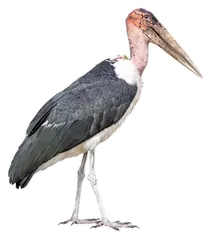 Marabou StorkLeptoptilos crumenifer
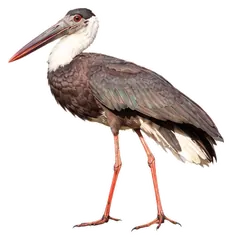
Download illustration
Free to use with credit: “Illustration: Bird Album (birdalbum.com)”. Drawn by AI from a reference photo by johnharshman. ↗
Heard it but can't see it? Mingji identifies birds by sound and photo, on your phone.
In other languages
- EnglishAsian Woolly-necked Stork
- 简体中文白颈鹳
- 繁體中文白頸鸛
- 日本語エンビコウ
- DeutschWollhalsstorch
- FrançaisCigogne épiscopale
- EspañolCigüeña lanuda asiática
- Portuguêscegonha-episcopal-asiática
- ItalianoCicogna lanosa
- NederlandsAziatische Bisschopsooievaar
- РусскийАист-епископ
- Svenskaasiatisk ullhalsstork
- DanskUldhalsstork
- Polskibocian białoszyi