 Bird Album
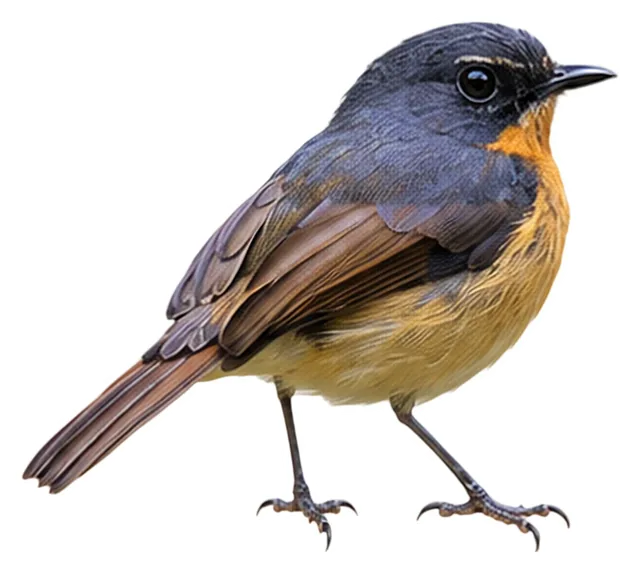
Bundok Flycatcher
Ficedula luzoniensis (Ogilvie-Grant, 1894)
8.2 gWeight
The Bundok flycatcher (Ficedula luzoniensis) or thicket flycatcher, is a species of bird in the family Muscicapidae.
Busiest months: March · Most records: Philippines
Where and when it's recorded

Bundok Flycatcher has been recorded at 9 of the 8,171 birding hotspots we track, in 1 country or region.
Records by month Northern Hemisphere
Where it's recorded most
- Lake HolonPhilippines104 records
- Mt. PolisPhilippines74 records
- Mt. Kitanglad Range Natural Park – Mid-level TrailsPhilippines49 records
More places
- Mt. Kitanglad Range Natural Park – Del Monte LodgePhilippines45 records
- Mt. Kitanglad Range Natural Park – SumilaoPhilippines16 records
- Mt. Tagubud, New BataanPhilippines10 records
- Mt. Talomo – 1200masl, Davao CityPhilippines5 records
- Jariel's Peak – Restaurant, Bgy. Magsaysay, InfantaPhilippines4 records
- Eden Nature Park and Resort, Toril, Davao CityPhilippines1 record
Countries and regions with the most records
eBird records via GBIF up to 2024-12-31. A record means someone listed it; more records partly mean more birders, not more birds.
About
The Bundok flycatcher (Ficedula luzoniensis) or thicket flycatcher, is a species of bird in the family Muscicapidae.
Excerpt from Wikipedia, CC BY-SA 4.0 · authors · Read more on Wikipedia
Questions
How big is the Bundok Flycatcher?
The Bundok Flycatcher weighs around 8.2 g.
Where does the Bundok Flycatcher live?
Its breeding range: Oriental: montane Philippines (except East Visayas and Sulu Archipelago). It is most often recorded in Philippines.
When is the best time to see the Bundok Flycatcher?
At the hotspots we track, it is recorded most in March (Northern Hemisphere).
Is the Bundok Flycatcher endangered?
The IUCN Red List classifies the Bundok Flycatcher as Least Concern.
What does the Bundok Flycatcher eat?
Main food: Insects & other invertebrates.
What family is the Bundok Flycatcher in?
It belongs to the family Chats, Old World Flycatchers (Muscicapidae), order Passerines (Passeriformes).
At a glance
- Weight
- 8.2 g
- Habitat
- Forest
- Diet
- Insects & other invertebrates
- Lifestyle
- Perches in trees
- Migration
- Resident (barely migrates)
- Conservation
- Least Concern
More measurements
- Wing
- 59 mm
- Tail
- 45 mm
- Bill
- 11 mm
- Tarsus
- 18 mm
Averages from the AVONET dataset; length from field guides where available.
Range
Oriental: montane Philippines (except East Visayas and Sulu Archipelago)
Breeding range, IOC World Bird List 15.2
Classification
- Order
- Passerines Passeriformes
- Family
- Chats, Old World Flycatchers Muscicapidae
- Genus
- Ficedula
Other birds in the genus Ficedula
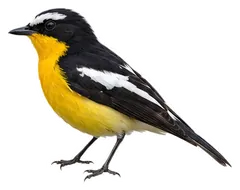 Yellow-rumped FlycatcherFicedula zanthopygia
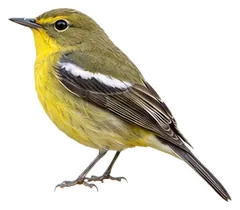 Green-backed FlycatcherFicedula elisae
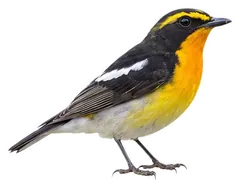 Narcissus FlycatcherFicedula narcissina
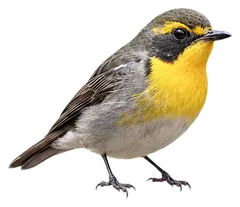 Ryukyu FlycatcherFicedula owstoni
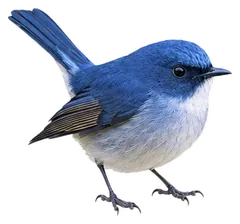 Slaty-blue FlycatcherFicedula tricolor
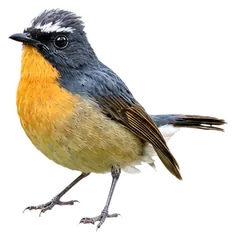 Snowy-browed FlycatcherFicedula hyperythra
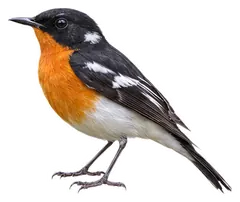 Mugimaki FlycatcherFicedula mugimaki
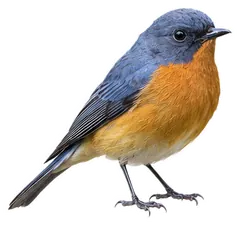 Slaty-backed FlycatcherFicedula erithacus
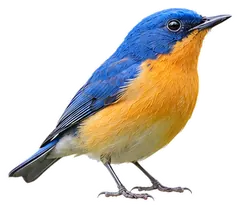 Pygmy FlycatcherFicedula hodgsoni
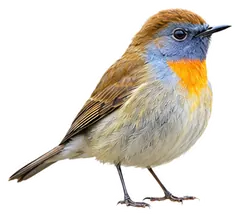 Rufous-gorgeted FlycatcherFicedula strophiata
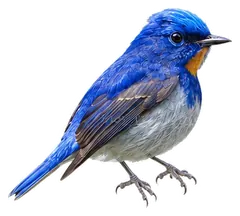 Sapphire FlycatcherFicedula sapphira
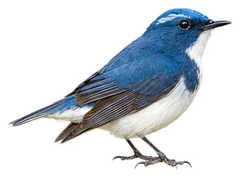 Ultramarine FlycatcherFicedula superciliaris
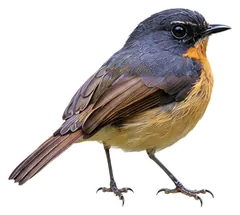
Download illustration
Free to use with credit: “Illustration: Bird Album (birdalbum.com)”. Drawn by AI from a reference photo by matthewkwan. ↗
Heard it but can't see it? Mingji identifies birds by sound and photo, on your phone.