 Bird Album
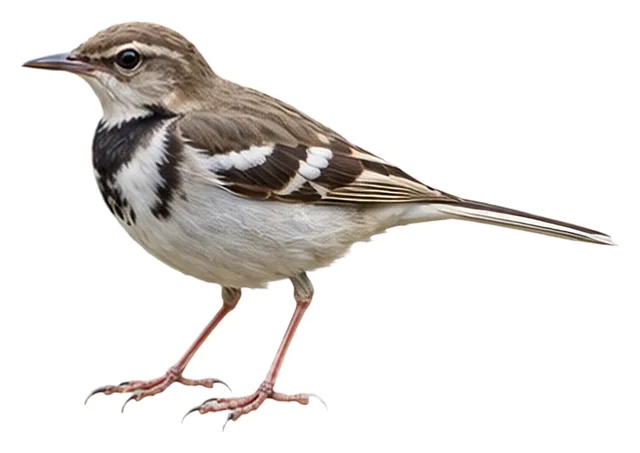
Forest Wagtail
Dendronanthus indicus (Gmelin, JF, 1789)
≈15 cmLength16 gWeight
This woodland wagtail has 2 black breast bands and wags its tail from side to side.
Busiest months: January–April · Most records: India, Thailand, Sri Lanka
How to identify
Field marks
- Two black breast bands, the upper one like a bow tie
- White supercilium and a dark stripe through the eye
- Wings black with 2 broad white wing patches
- Back and crown olive-rufous
Male, female and young
Sexes similar; juvenile has yellowish underparts.
Voice
Single-note “pink pink”, given both on the ground and in high flight.
Where and when it's recorded

Forest Wagtail has been recorded at 664 of the 8,171 birding hotspots we track, in 23 countries and regions.
Records by month Northern Hemisphere
Where it's recorded most
- IIT MadrasIndia775 records
- Victoria ParkSri Lanka576 records
- Angkor WatCambodia441 records
More places
- IISc BangaloreIndia371 records
- Bondla Wildlife SanctuaryIndia297 records
- Man Nai IslandThailand238 records
- Kalamassery – HMT Estate AreaIndia236 records
- Chidyatapu Biological ParkIndia232 records
- Manjeera Wildlife SanctuaryIndia222 records
- Kaeng Krachan NPThailand211 records
Countries and regions with the most records
eBird records via GBIF up to 2024-12-31. A record means someone listed it; more records partly mean more birders, not more birds.
About
The forest wagtail (Dendronanthus indicus) is a medium-sized passerine bird in the wagtail family Motacillidae. It is the only wagtail species that nests in trees. It is found mainly in forested habitats, breeding in the temperate parts of east Asia and wintering across tropical Asia from India to Indonesia.
Excerpt from Wikipedia, CC BY-SA 4.0 · authors · Read more on Wikipedia
Questions
How big is the Forest Wagtail?
The Forest Wagtail is about ≈15 cm long and weighs around 16 g.
Where does the Forest Wagtail live?
Its breeding range: Palearctic: southeastern Russia and northeastern China to southeastern China. It is most often recorded in India, Thailand and Sri Lanka.
When is the best time to see the Forest Wagtail?
At the hotspots we track, it is recorded most in January, February, March and April (Northern Hemisphere).
Is the Forest Wagtail endangered?
The IUCN Red List classifies the Forest Wagtail as Least Concern.
What does the Forest Wagtail eat?
Main food: Insects & other invertebrates.
What family is the Forest Wagtail in?
It belongs to the family Wagtails, Pipits (Motacillidae), order Passerines (Passeriformes).
At a glance
- Length
- ≈15 cm
- Weight
- 16 g
- Habitat
- Forest
- Diet
- Insects & other invertebrates
- Lifestyle
- Active on the ground
- Migration
- Migratory
- Conservation
- Least Concern
More measurements
- Wing
- 78 mm
- Tail
- 67 mm
- Bill
- 18 mm
- Tarsus
- 20 mm
Averages from the AVONET dataset; length from field guides where available.
Range
Palearctic: southeastern Russia and northeastern China to southeastern China
Breeding range, IOC World Bird List 15.2
Classification
- Order
- Passerines Passeriformes
- Family
- Wagtails, Pipits Motacillidae
- Genus
- Dendronanthus
More from the family Wagtails, Pipits
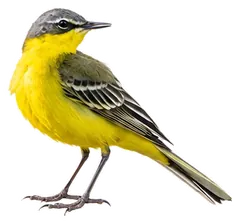 Western Yellow WagtailMotacilla flava
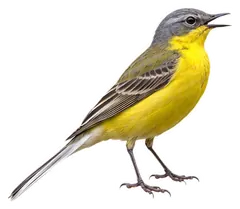 Eastern Yellow WagtailMotacilla tschutschensis
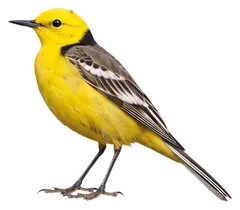 Citrine WagtailMotacilla citreola
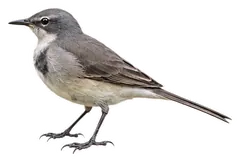 Cape WagtailMotacilla capensis
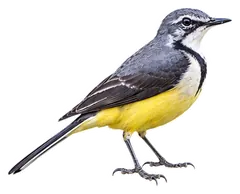 Madagascar WagtailMotacilla flaviventris
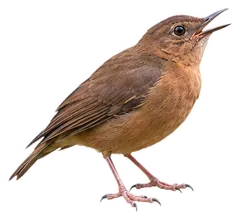 Sao Tome ShorttailMotacilla bocagii
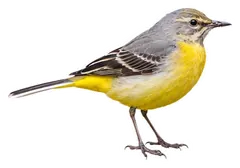 Grey WagtailMotacilla cinerea
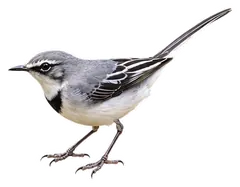 Mountain WagtailMotacilla clara
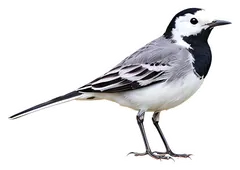 White WagtailMotacilla alba
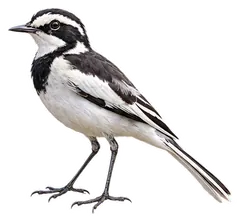 African Pied WagtailMotacilla aguimp
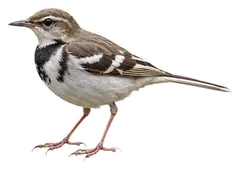
Download illustration
Free to use with credit: “Illustration: Bird Album (birdalbum.com)”. Drawn by AI from a reference photo by Jason Thompson. ↗

Heard it but can't see it? Mingji identifies birds by sound and photo, on your phone.