 Bird Album
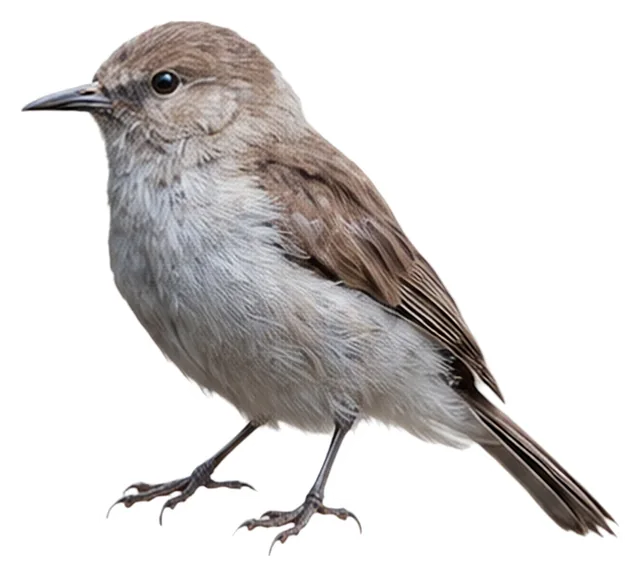
Ground Tit
Pseudopodoces humilis (Hume, 1871)
≈20 cmLength45 gWeight
This gray-brown bird is the size of Eurasian Tree Sparrow and hops along the ground like a little rubber ball.
Busiest months: July · Most records: China
How to identify
Field marks
- Head same color as underparts, with darker crown and a pale nape patch
- Bill strong, slightly decurved and black
- Upperparts mostly a darker yellowish-brown
- Underparts grayish yellow-brown, with a rufous-yellow tinge
Male, female and young
Sexes alike in appearance.
Voice
A plaintive “cheep-cheep-cheep-cheep” whistle, also a two-syllable, finch-like call.
Where and when it's recorded

Ground Tit has been recorded at 76 of the 8,171 birding hotspots we track, in 1 country or region.
Records by month Northern Hemisphere
Where it's recorded most
- Rubber Mountain PassChina113 records
- Xiaobeihu Freshwater MarshChina98 records
- E'La Mountain PassChina52 records
More places
- Temple of Princess WenchengChina44 records
- Qinghai Lake – K11 hillChina42 records
- Flower LakeChina32 records
- HeimaheChina31 records
- Gahai LakeChina30 records
- GangshikaChina29 records
- Baizha ForestChina29 records
Countries and regions with the most records
eBird records via GBIF up to 2024-12-31. A record means someone listed it; more records partly mean more birders, not more birds.
About
The ground tit, Tibetan ground tit, or Hume's ground tit (Pseudopodoces humilis) is a bird of the Tibetan plateau north of the Himalayas. The peculiar appearance confused ornithologists who in the past variously called it Hume's groundpecker, Hume's ground jay or Tibetan ground jay on the assumption it belonged to the family Corvidae that includes the crows and jays. Although morphologically confusing, the species has since been identified using molecular sequence comparisons as being a member of the tit family (Paridae), and is now treated as the only species in the genus Pseudopodoces.
Excerpt from Wikipedia, CC BY-SA 4.0 · authors · Read more on Wikipedia
Questions
How big is the Ground Tit?
The Ground Tit is about ≈20 cm long and weighs around 45 g.
Where does the Ground Tit live?
Its breeding range: Palearctic: Tibet. It is most often recorded in China.
When is the best time to see the Ground Tit?
At the hotspots we track, it is recorded most in July (Northern Hemisphere).
Is the Ground Tit endangered?
The IUCN Red List classifies the Ground Tit as Least Concern.
What does the Ground Tit eat?
Main food: Insects & other invertebrates.
What family is the Ground Tit in?
It belongs to the family Tits, Chickadees (Paridae), order Passerines (Passeriformes).
At a glance
- Length
- ≈20 cm
- Weight
- 45 g
- Habitat
- Rocky terrain
- Diet
- Insects & other invertebrates
- Lifestyle
- Active on the ground
- Migration
- Partial migrant
- Conservation
- Least Concern
More measurements
- Wing
- 89 mm
- Tail
- 63 mm
- Bill
- 25 mm
- Tarsus
- 28 mm
Averages from the AVONET dataset; length from field guides where available.
Range
Palearctic: Tibet
Breeding range, IOC World Bird List 15.2
Classification
- Order
- Passerines Passeriformes
- Family
- Tits, Chickadees Paridae
- Genus
- Pseudopodoces
More from the family Tits, Chickadees
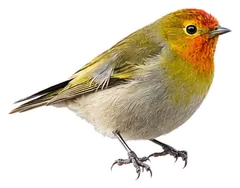 Fire-capped TitCephalopyrus flammiceps
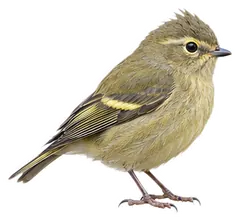 Yellow-browed TitSylviparus modestus
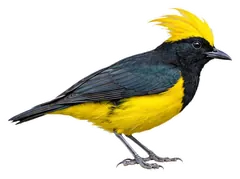 Sultan TitMelanochlora sultanea
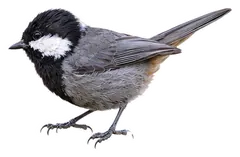 Rufous-naped TitPeriparus rufonuchalis
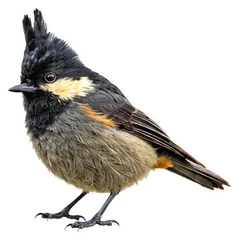 Rufous-vented TitPeriparus rubidiventris
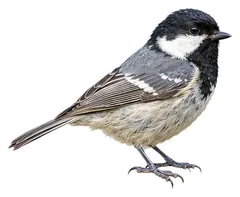 Coal TitPeriparus ater
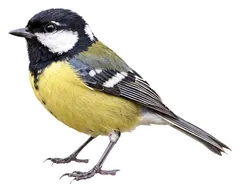 Yellow-bellied TitPeriparus venustulus
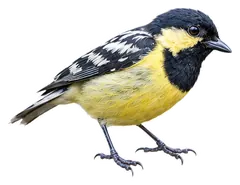 Elegant TitPeriparus elegans
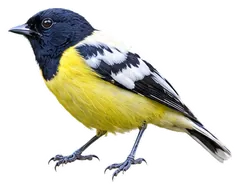 Palawan TitPeriparus amabilis
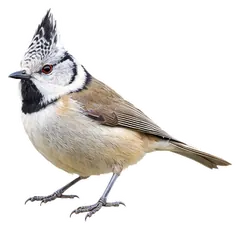 Crested TitLophophanes cristatus
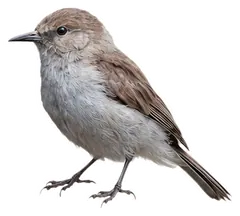
Download illustration
Free to use with credit: “Illustration: Bird Album (birdalbum.com)”. Drawn by AI from a reference photo by Dibyendu Ash. ↗

Heard it but can't see it? Mingji identifies birds by sound and photo, on your phone.