 Bird Album
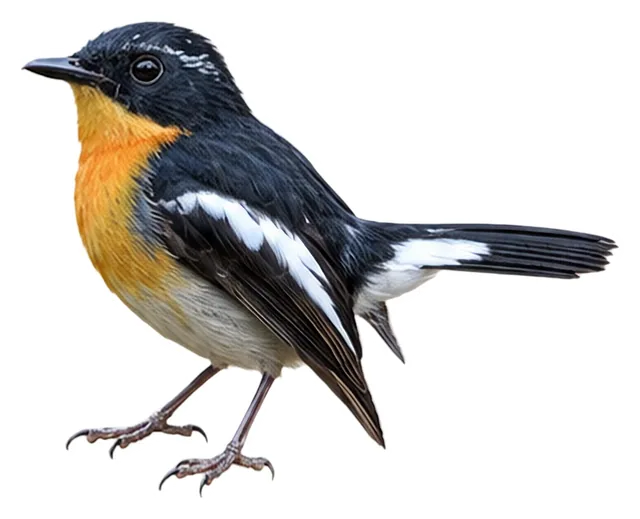
Rufous-chested Flycatcher
Ficedula dumetoria (Wallace, 1864)
9.4 gWeight
The rufous-chested flycatcher (Ficedula dumetoria) is a species of bird in the family Muscicapidae.
Busiest months: June–July · Most records: Malaysia, Thailand, Indonesia
Where and when it's recorded

Rufous-chested Flycatcher has been recorded at 65 of the 8,171 birding hotspots we track, in 3 countries and regions.
Records by month Northern Hemisphere
Where it's recorded most
- Danum Valley Borneo Rainforest LodgeMalaysia127 records
- Taman Negara NP Kuala TahanMalaysia125 records
- Hala – Bala Wildlife Sanctuary – Toh Moh forest trailThailand83 records
More places
- Mount TrusmadiMalaysia81 records
- Gunung Panti Recreational Forest – Panti Bird Sanctuary and North AreaMalaysia78 records
- Gomantong Cave & forest reserveMalaysia72 records
- Hala – Bala Wildlife Sanctuary – BalaThailand58 records
- San Kala Khiri NP – headquartersThailand58 records
- PuarloloIndonesia45 records
- Danum Valley Field CentreMalaysia45 records
Countries and regions with the most records
eBird records via GBIF up to 2024-12-31. A record means someone listed it; more records partly mean more birders, not more birds.
About
The rufous-chested flycatcher (Ficedula dumetoria) is a species of bird in the family Muscicapidae. It is found in Brunei, Indonesia, Malaysia, and Thailand.
Excerpt from Wikipedia, CC BY-SA 4.0 · authors · Read more on Wikipedia
Questions
How big is the Rufous-chested Flycatcher?
The Rufous-chested Flycatcher weighs around 9.4 g.
Where does the Rufous-chested Flycatcher live?
Its breeding range: Oriental: Malay Peninsula, Sumatra, Borneo, Java and western, central Lesser Sundas. It is most often recorded in Malaysia, Thailand and Indonesia.
When is the best time to see the Rufous-chested Flycatcher?
At the hotspots we track, it is recorded most in June and July (Northern Hemisphere).
Is the Rufous-chested Flycatcher endangered?
The IUCN Red List classifies the Rufous-chested Flycatcher as Least Concern.
What does the Rufous-chested Flycatcher eat?
Main food: Insects & other invertebrates.
What family is the Rufous-chested Flycatcher in?
It belongs to the family Chats, Old World Flycatchers (Muscicapidae), order Passerines (Passeriformes).
At a glance
- Weight
- 9.4 g
- Habitat
- Forest
- Diet
- Insects & other invertebrates
- Lifestyle
- Perches in trees
- Migration
- Resident (barely migrates)
- Conservation
- Least Concern
More measurements
- Wing
- 59 mm
- Tail
- 40 mm
- Bill
- 13 mm
- Tarsus
- 16 mm
Averages from the AVONET dataset; length from field guides where available.
Range
Oriental: Malay Peninsula, Sumatra, Borneo, Java and western, central Lesser Sundas
Breeding range, IOC World Bird List 15.2
Classification
- Order
- Passerines Passeriformes
- Family
- Chats, Old World Flycatchers Muscicapidae
- Genus
- Ficedula
Other birds in the genus Ficedula
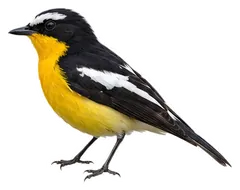 Yellow-rumped FlycatcherFicedula zanthopygia
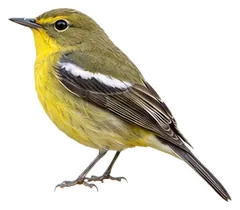 Green-backed FlycatcherFicedula elisae
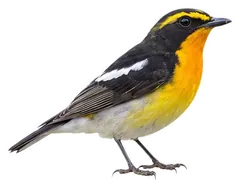 Narcissus FlycatcherFicedula narcissina
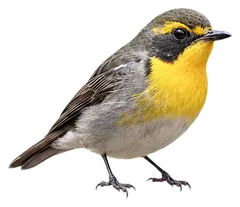 Ryukyu FlycatcherFicedula owstoni
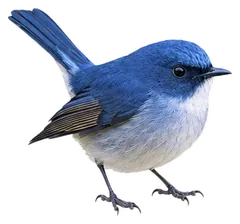 Slaty-blue FlycatcherFicedula tricolor
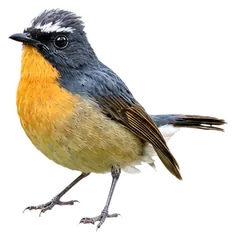 Snowy-browed FlycatcherFicedula hyperythra
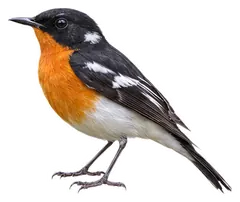 Mugimaki FlycatcherFicedula mugimaki
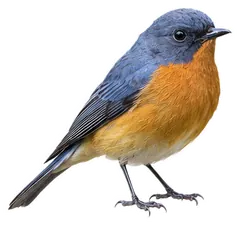 Slaty-backed FlycatcherFicedula erithacus
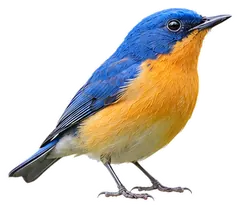 Pygmy FlycatcherFicedula hodgsoni
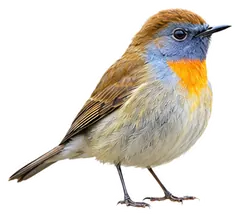 Rufous-gorgeted FlycatcherFicedula strophiata
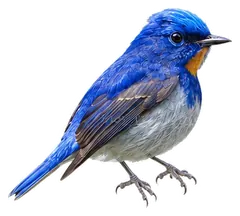 Sapphire FlycatcherFicedula sapphira
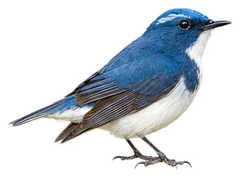 Ultramarine FlycatcherFicedula superciliaris
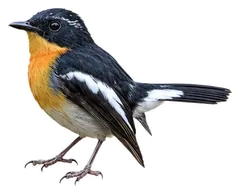
Download illustration
Free to use with credit: “Illustration: Bird Album (birdalbum.com)”. Drawn by AI from a reference photo by Chien Lee. ↗
Heard it but can't see it? Mingji identifies birds by sound and photo, on your phone.
In other languages
- EnglishRufous-chested Flycatcher
- 简体中文棕胸姬鹟
- 繁體中文棕胸姬鶲
- 日本語ハジロビタキ
- DeutschSpiegelschnäpper
- FrançaisGobemouche à poitrine rousse
- EspañolPapamoscas pechirrufo
- Portuguêspapa-moscas-de-peito-ruivo
- ItalianoPigliamosche pettorossiccio
- NederlandsOranjeborstvliegenvanger
- РусскийОранжевогрудая мухоловка
- Svenskaorangebröstad flugsnappare
- DanskOrangebrystet Fluesnapper
- Polskimuchołówka białoskrzydła