 Bird Album
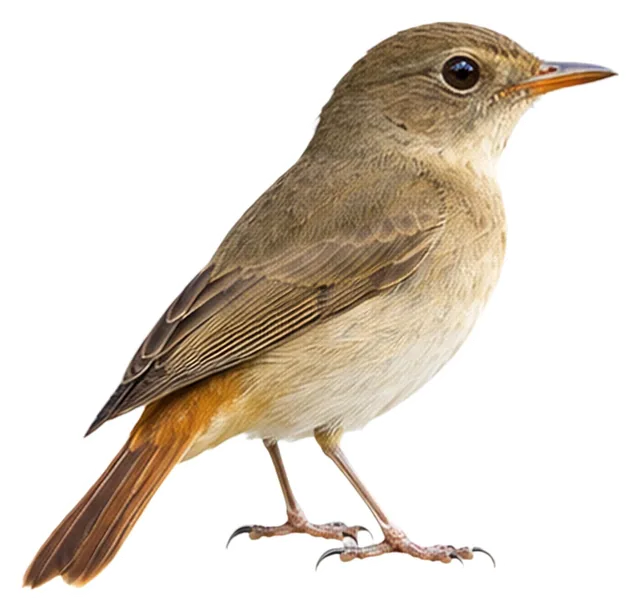
Rusty-tailed Flycatcher
Ficedula ruficauda (Swainson, 1838)
14 cmLength13 gWeight
This small bird inhabits semi-open woodland with tall trees.
Busiest months: January and October · Most records: India, Nepal, Uzbekistan
How to identify
Male, female and young
Sexes have similar plumage.
Where and when it's recorded

Rusty-tailed Flycatcher has been recorded at 50 of the 8,171 birding hotspots we track, in 6 countries and regions.
Records by month Northern Hemisphere
Where it's recorded most
- Thattekkad Bird SanctuaryIndia299 records
- Thattekad Bird Sanctuary – UrulanthanniIndia257 records
- College of Veterinary and Animal Sciences, PookodeIndia138 records
More places
- Rabindra SarovarIndia128 records
- Vetal Tekdi/HillIndia53 records
- Nandi HillsIndia40 records
- GKVK CampusIndia40 records
- Salim Ali Centre for Ornithology and Natural HistoryIndia31 records
- Sultanpur National ParkIndia30 records
- Doddanekundi KereIndia23 records
Countries and regions with the most records
eBird records via GBIF up to 2024-12-31. A record means someone listed it; more records partly mean more birders, not more birds.
About
The rusty-tailed flycatcher (Ficedula ruficauda) is a small passerine bird in the flycatcher family Muscicapidae. It is found mainly in the northern regions of the Indian subcontinent and some parts of southwest India, as well as pockets of Central Asia including Uzbekistan and Tajikistan. The species is partially migratory, with the Central Asian populations migrating to India, as far as the southwest Indian coast along the Arabian Sea, to Karnataka and Kerala.
Excerpt from Wikipedia, CC BY-SA 4.0 · authors · Read more on Wikipedia
Questions
How big is the Rusty-tailed Flycatcher?
The Rusty-tailed Flycatcher is about 14 cm long and weighs around 13 g.
Where does the Rusty-tailed Flycatcher live?
Its breeding range: Palearctic: Uzbekistan and Kyrgyzstan to Nepal and northern India. It is most often recorded in India, Nepal and Uzbekistan.
When is the best time to see the Rusty-tailed Flycatcher?
At the hotspots we track, it is recorded most in January and October (Northern Hemisphere).
Is the Rusty-tailed Flycatcher endangered?
The IUCN Red List classifies the Rusty-tailed Flycatcher as Least Concern.
What does the Rusty-tailed Flycatcher eat?
Main food: Insects & other invertebrates.
What family is the Rusty-tailed Flycatcher in?
It belongs to the family Chats, Old World Flycatchers (Muscicapidae), order Passerines (Passeriformes).
At a glance
- Length
- 14 cm
- Weight
- 13 g
- Habitat
- Forest
- Diet
- Insects & other invertebrates
- Lifestyle
- Perches in trees
- Migration
- Migratory
- Conservation
- Least Concern
More measurements
- Wing
- 75 mm
- Tail
- 55 mm
- Bill
- 13 mm
- Tarsus
- 14 mm
Averages from the AVONET dataset; length from field guides where available.
Range
Palearctic: Uzbekistan and Kyrgyzstan to Nepal and northern India
Breeding range, IOC World Bird List 15.2
Classification
- Order
- Passerines Passeriformes
- Family
- Chats, Old World Flycatchers Muscicapidae
- Genus
- Ficedula
Other birds in the genus Ficedula
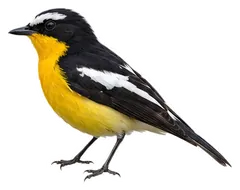 Yellow-rumped FlycatcherFicedula zanthopygia
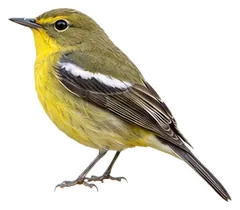 Green-backed FlycatcherFicedula elisae
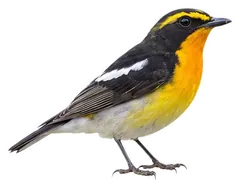 Narcissus FlycatcherFicedula narcissina
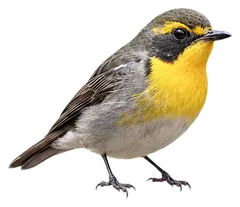 Ryukyu FlycatcherFicedula owstoni
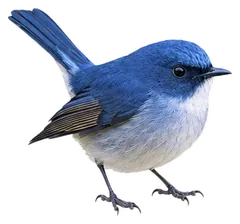 Slaty-blue FlycatcherFicedula tricolor
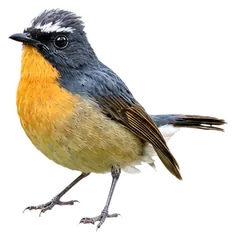 Snowy-browed FlycatcherFicedula hyperythra
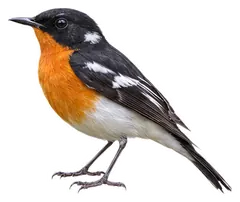 Mugimaki FlycatcherFicedula mugimaki
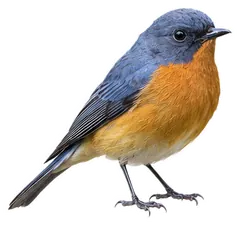 Slaty-backed FlycatcherFicedula erithacus
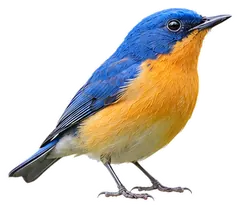 Pygmy FlycatcherFicedula hodgsoni
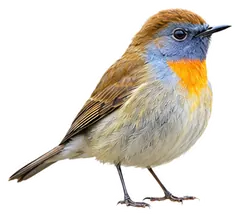 Rufous-gorgeted FlycatcherFicedula strophiata
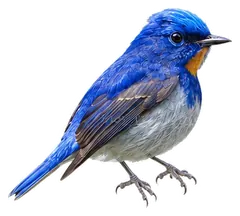 Sapphire FlycatcherFicedula sapphira
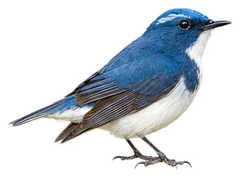 Ultramarine FlycatcherFicedula superciliaris
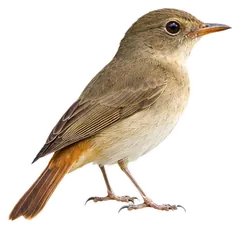
Download illustration
Free to use with credit: “Illustration: Bird Album (birdalbum.com)”. Drawn by AI from a reference photo by nachiketl. ↗
Heard it but can't see it? Mingji identifies birds by sound and photo, on your phone.
In other languages
- EnglishRusty-tailed Flycatcher
- 简体中文栗尾姬鹟
- 繁體中文紅尾姬鶲
- 日本語アカオサメビタキ
- DeutschRotschwanzschnäpper
- FrançaisGobemouche à queue rousse
- EspañolPapamoscas colirrojo
- Portuguêspapa-moscas-rabirruivo
- ItalianoPigliamosche codaruggine
- NederlandsRoodstaartvliegenvanger
- РусскийРыжехвостая мухоловка
- Svenskarödstjärtad flugsnappare
- DanskRusthalet Fluesnapper
- Polskimuchołówka rudosterna