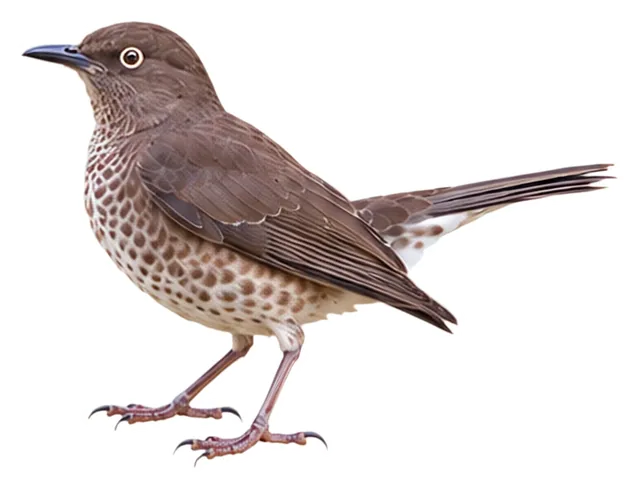
Scaly-breasted Thrasher
Allenia fusca (Müller, PLS, 1776)
23 cmLength67 gWeight
The scaly-breasted thrasher (Allenia fusca) is a species of bird in the family Mimidae.
Busiest months: March · Most records: Guadeloupe, St. Lucia, Dominica
Where and when it's recorded
Busiest months: March · Most records: Guadeloupe, St. Lucia, Dominica

Scaly-breasted Thrasher has been recorded at 104 of the 8,276 birding hotspots we track, in 11 countries and regions.
Records by month Northern Hemisphere
Where it's recorded most
- Anse PatatotoGuadeloupe269 records
- Morne Diablotin NP – Syndicate Nature TrailDominica242 records
- CorossolGuadeloupe238 records
More places
- Cascade aux EcrevissesGuadeloupe222 records
- Des Cartiers Rainforest TrailSt. Lucia156 records
- Reserve Naturelle de La CaravelleMartinique93 records
- White-breasted Thrasher spotSt. Lucia93 records
- Jardin de BalataMartinique86 records
- Anse ChastanetSt. Lucia80 records
- Saline des GaletsGuadeloupe79 records
Countries and regions with the most records
eBird records via GBIF up to 2024-12-31. A record means someone listed it; more records partly mean more birders, not more birds.
About
The scaly-breasted thrasher (Allenia fusca) is a species of bird in the family Mimidae. It is found throughout much of the Lesser Antilles of the Caribbean Sea.
Excerpt from Wikipedia, CC BY-SA 4.0 · authors · Read more on Wikipedia
Questions
How big is the Scaly-breasted Thrasher?
The Scaly-breasted Thrasher is about 23 cm long and weighs around 67 g.
Where does the Scaly-breasted Thrasher live?
Its breeding range: North America: Lesser Antilles. It is most often recorded in Guadeloupe, St. Lucia and Dominica.
When is the best time to see the Scaly-breasted Thrasher?
At the hotspots we track, it is recorded most in March (Northern Hemisphere).
Is the Scaly-breasted Thrasher endangered?
The IUCN Red List classifies the Scaly-breasted Thrasher as Least Concern.
What does the Scaly-breasted Thrasher eat?
Main food: Omnivore.
What family is the Scaly-breasted Thrasher in?
It belongs to the family Mockingbirds, Thrashers (Mimidae), order Passerines (Passeriformes).
At a glance
- Length
- 23 cm
- Weight
- 67 g
- Habitat
- Shrubland
- Diet
- Omnivore
- Lifestyle
- Perches in trees
- Migration
- Resident (barely migrates)
- Conservation
- Least Concern
More measurements
- Wing
- 123 mm
- Tail
- 97 mm
- Bill
- 22 mm
- Tarsus
- 29 mm
Averages from the AVONET dataset; length from field guides where available.
Range
North America: Lesser Antilles
Breeding range, IOC World Bird List 15.2
Classification
- Order
- Passerines Passeriformes
- Family
- Mockingbirds, Thrashers Mimidae
- Genus
- Allenia
More from the family Mockingbirds, Thrashers
 Grey CatbirdDumetella carolinensis
 Black CatbirdMelanoptila glabrirostris
 Northern MockingbirdMimus polyglottos
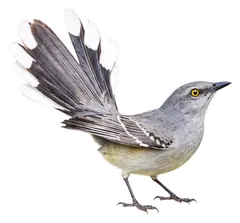 Tropical MockingbirdMimus gilvus
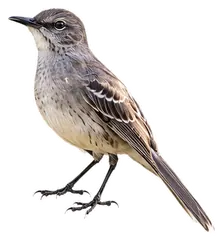 Bahama MockingbirdMimus gundlachii
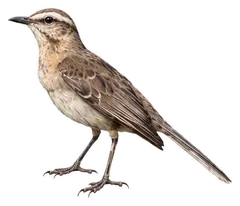 Chilean MockingbirdMimus thenca
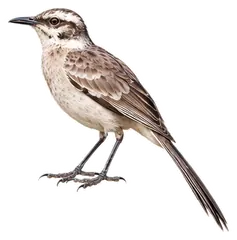 Long-tailed MockingbirdMimus longicaudatus
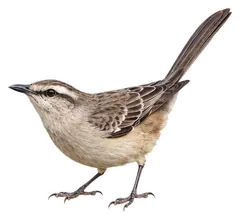 Chalk-browed MockingbirdMimus saturninus
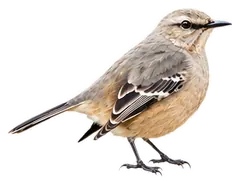 Patagonian MockingbirdMimus patagonicus
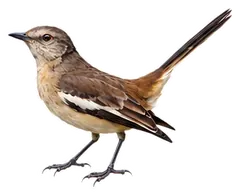 White-banded MockingbirdMimus triurus
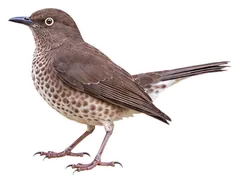
Download illustration
Free to use with credit: “Illustration: Bird Album (birdalbum.com)”. Drawn by AI from a reference photo by ColinDJones. ↗
Heard it but can't see it? Mingji identifies birds by sound and photo, on your phone.
In other languages
- EnglishScaly-breasted Thrasher
- 简体中文鳞胸嘲鸫
- 繁體中文鱗胸嘲鶇
- 日本語ウロコツグミモドキ
- DeutschSchuppenspottdrossel
- FrançaisMoqueur grivotte
- EspañolCuitlacoche oscuro
- Portuguêsdebulhador-escuro
- ItalianoMimo pettosquamato
- NederlandsGeschubde Spotlijster
- РусскийЧешуйчатогрудый пересмешник
- Svenskavattrad härmtrast
- DanskSkælbrystet Røddrossel
- Polskiłuskopiór ciemnodzioby