 Bird Album
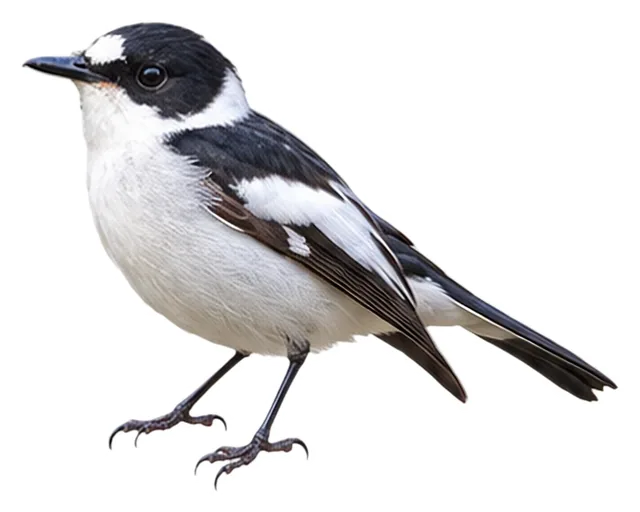
Collared Flycatcher
Ficedula albicollis (Temminck, 1815)
12–14 cmLength13 gWeight
The collared flycatcher (Ficedula albicollis) is a small passerine bird in the Old World flycatcher family, one of the four species of Western Palearctic black-and-white flycatchers.
Busiest months: April · Most records: Israel, Czechia, Greece
Where and when it's recorded

Collared Flycatcher has been recorded at 348 of the 8,276 birding hotspots we track, in 54 countries and regions.
Records by month Northern Hemisphere
Where it's recorded most
- Jerusalem Bird ObservatoryIsrael631 records
- Antikythira Bird ObservatoryGreece411 records
- 6th city hospital garden squareUkraine273 records
More places
- Isola di VentoteneItaly194 records
- Yeruham LakeIsrael188 records
- Gazelle ValleyIsrael164 records
- Validebağ Korusu – Genel AlanTürkiye161 records
- PR Vrbenské rybníkyCzechia158 records
- International Birding and Research Center Eilat (IBRCE)Israel152 records
- South ParkBulgaria138 records
Countries and regions with the most records
eBird records via GBIF up to 2024-12-31. A record means someone listed it; more records partly mean more birders, not more birds.
About
The collared flycatcher (Ficedula albicollis) is a small passerine bird in the Old World flycatcher family, one of the four species of Western Palearctic black-and-white flycatchers. It breeds in southeast Europe (isolated populations are present in the islands of Gotland and Öland in the Baltic Sea, Sweden) and Eastern France to the Balkan Peninsula and Ukraine and is migratory, wintering in Sub-Saharan Africa. It is a rare vagrant in western Europe.
Excerpt from Wikipedia, CC BY-SA 4.0 · authors · Read more on Wikipedia
Questions
How big is the Collared Flycatcher?
The Collared Flycatcher is about 12–14 cm long and weighs around 13 g.
Where does the Collared Flycatcher live?
Its breeding range: Palearctic: central, south-central Europe through western Russia. It is most often recorded in Israel, Czechia and Greece.
When is the best time to see the Collared Flycatcher?
At the hotspots we track, it is recorded most in April (Northern Hemisphere).
Is the Collared Flycatcher endangered?
The IUCN Red List classifies the Collared Flycatcher as Least Concern.
What does the Collared Flycatcher eat?
Main food: Insects & other invertebrates.
What family is the Collared Flycatcher in?
It belongs to the family Chats, Old World Flycatchers (Muscicapidae), order Passerines (Passeriformes).
At a glance
- Length
- 12–14 cm
- Weight
- 13 g
- Habitat
- Woodland
- Diet
- Insects & other invertebrates
- Lifestyle
- Perches in trees
- Migration
- Migratory
- Conservation
- Least Concern
More measurements
- Wing
- 81 mm
- Tail
- 52 mm
- Bill
- 12 mm
- Tarsus
- 16 mm
Averages from the AVONET dataset; length from field guides where available.
Range
Palearctic: central, south-central Europe through western Russia
Breeding range, IOC World Bird List 15.2
Classification
- Order
- Passerines Passeriformes
- Family
- Chats, Old World Flycatchers Muscicapidae
- Genus
- Ficedula
Other birds in the genus Ficedula
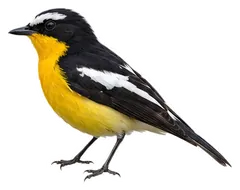 Yellow-rumped FlycatcherFicedula zanthopygia
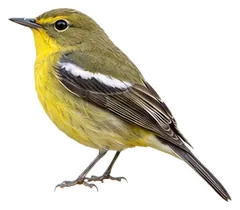 Green-backed FlycatcherFicedula elisae
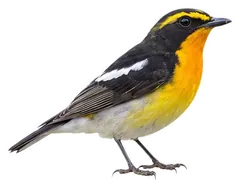 Narcissus FlycatcherFicedula narcissina
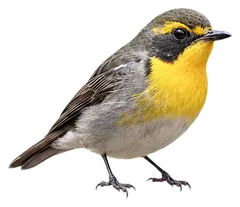 Ryukyu FlycatcherFicedula owstoni
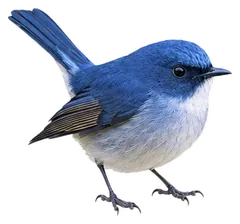 Slaty-blue FlycatcherFicedula tricolor
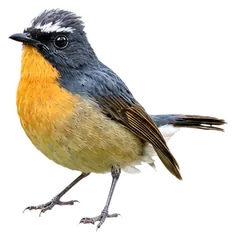 Snowy-browed FlycatcherFicedula hyperythra
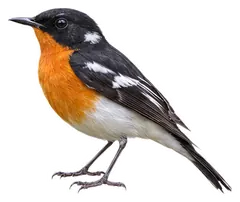 Mugimaki FlycatcherFicedula mugimaki
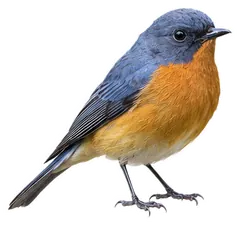 Slaty-backed FlycatcherFicedula erithacus
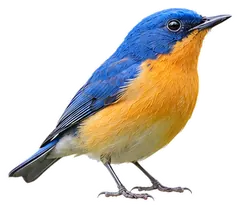 Pygmy FlycatcherFicedula hodgsoni
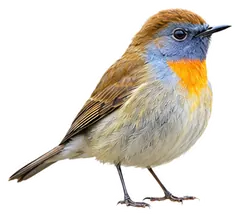 Rufous-gorgeted FlycatcherFicedula strophiata
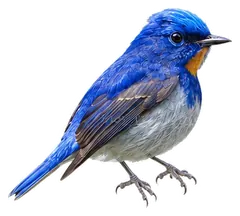 Sapphire FlycatcherFicedula sapphira
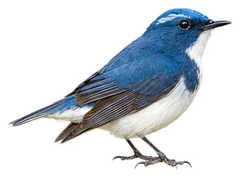 Ultramarine FlycatcherFicedula superciliaris
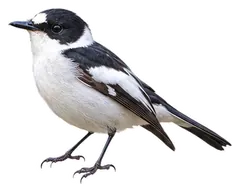
Download illustration
Free to use with credit: “Illustration: Bird Album (birdalbum.com)”. Drawn by AI from a reference photo by ruzovdmitry. ↗
Heard it but can't see it? Mingji identifies birds by sound and photo, on your phone.
In other languages
- EnglishCollared Flycatcher
- 简体中文白领姬鹟
- 繁體中文白領姬鶲
- 日本語シロエリヒタキ
- DeutschHalsbandschnäpper
- FrançaisGobemouche à collier
- EspañolPapamoscas acollarado
- Portuguêspapa-moscas-de-colar
- ItalianoBalia dal collare
- NederlandsWithalsvliegenvanger
- РусскийМухоловка-белошейка
- Svenskahalsbandsflugsnappare
- DanskHvidhalset Fluesnapper
- Polskimuchołówka białoszyja