 Bird Album
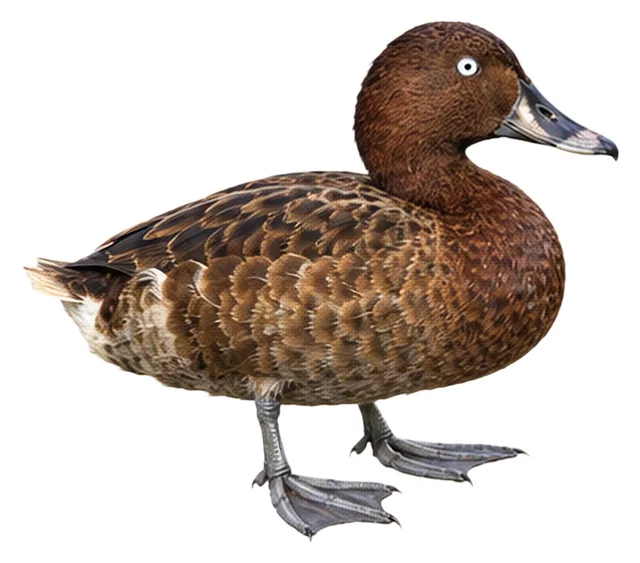
Hardhead
Aythya australis (Eyton, 1838)
42–59 cmLength869 gWeight
The hardhead (Aythya australis), also known as the white-eyed duck, is the only true diving duck found in Australia.
Busiest months: September–October · Most records: Australia, Papua New Guinea, Timor-Leste
Where and when it's recorded

Hardhead has been recorded at 208 of the 8,171 birding hotspots we track, in 7 countries and regions.
Records by month Southern Hemisphere
Where it's recorded most
- Western Treatment PlantAustralia6,424 records
- Jerrabomberra Wetlands Nature ReserveAustralia5,004 records
- Centennial ParkAustralia3,445 records
More places
- Dowse LagoonAustralia2,564 records
- Hasties Swamp National ParkAustralia2,460 records
- Alice Springs Sewage PondsAustralia2,196 records
- Lake Samsonvale – Golds Scrub LaneAustralia2,122 records
- Sandy Camp Road WetlandsAustralia1,840 records
- Herdsman LakeAustralia1,790 records
- West Belconnen PondAustralia1,762 records
Countries and regions with the most records
eBird records via GBIF up to 2024-12-31. A record means someone listed it; more records partly mean more birders, not more birds.
About
The hardhead (Aythya australis), also known as the white-eyed duck, is the only true diving duck found in Australia. The common name "hardhead" has nothing to do with the density of the bird's skull, instead referring to the difficulty encountered by early taxidermists in processing the head. Hardheads are found in wetter, coastal regions of Australia, particularly in the south-east, but are known to disperse as far afield as New Guinea, New Zealand, and the Pacific Islands.
Excerpt from Wikipedia, CC BY-SA 4.0 · authors · Read more on Wikipedia
Questions
How big is the Hardhead?
The Hardhead is about 42–59 cm long and weighs around 869 g.
Where does the Hardhead live?
Its breeding range: Australasia: Australia and Tasmania, New Zealand, Grande Terre (New Caledonia) and Banks Islands to Tanna (northern to southern Vanuatu). It is most often recorded in Australia, Papua New Guinea and Timor-Leste.
When is the best time to see the Hardhead?
At the hotspots we track, it is recorded most in September and October (Southern Hemisphere).
Is the Hardhead endangered?
The IUCN Red List classifies the Hardhead as Least Concern.
What does the Hardhead eat?
Main food: Fish, shrimp & shellfish.
What family is the Hardhead in?
It belongs to the family Ducks, Geese, Swans (Anatidae), order Anseriformes.
At a glance
- Length
- 42–59 cm
- Weight
- 869 g
- Habitat
- Wetland
- Diet
- Fish, shrimp & shellfish
- Lifestyle
- On the water surface
- Migration
- Resident (barely migrates)
- Conservation
- Least Concern
More measurements
- Wing
- 214 mm
- Tail
- 56 mm
- Bill
- 46 mm
- Tarsus
- 34 mm
Averages from the AVONET dataset; length from field guides where available.
Range
Australasia: Australia and Tasmania, New Zealand, Grande Terre (New Caledonia) and Banks Islands to Tanna (northern to southern Vanuatu)
Breeding range, IOC World Bird List 15.2
Classification
- Order
- Anseriformes
- Family
- Ducks, Geese, Swans Anatidae
- Genus
- Aythya
Other birds in the genus Aythya
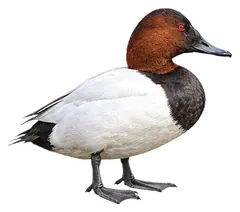 CanvasbackAythya valisineria
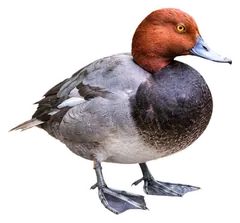 RedheadAythya americana
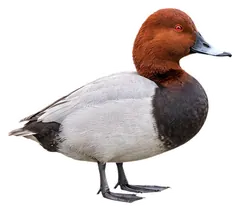 Common PochardAythya ferina
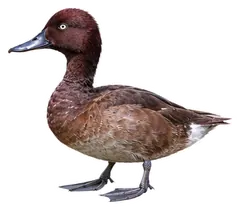 Madagascar PochardAythya innotata
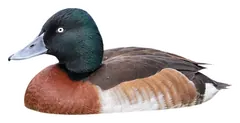 Baer's PochardAythya baeri
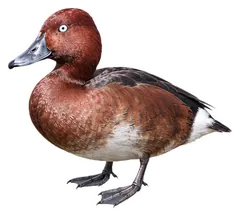 Ferruginous DuckAythya nyroca
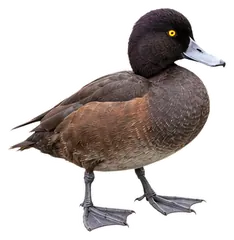 New Zealand ScaupAythya novaeseelandiae
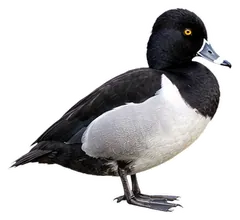 Ring-necked DuckAythya collaris
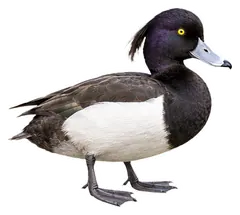 Tufted DuckAythya fuligula
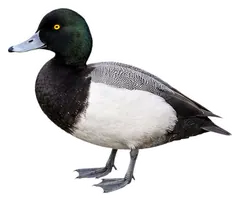 Greater ScaupAythya marila
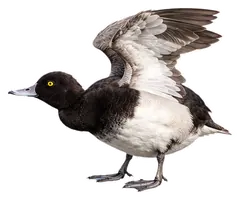 Lesser ScaupAythya affinis
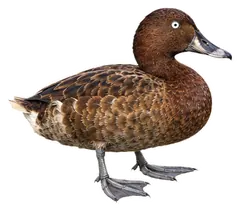
Download illustration
Free to use with credit: “Illustration: Bird Album (birdalbum.com)”. Drawn by AI from a reference photo by Leo. ↗
Heard it but can't see it? Mingji identifies birds by sound and photo, on your phone.
In other languages
- EnglishHardhead
- 简体中文澳洲潜鸭
- 繁體中文澳洲潛鴨
- 日本語オーストラリアメジロガモ
- DeutschTasmanmoorente
- FrançaisFuligule austral
- EspañolPorrón australiano
- Portuguêszarro-australiano
- ItalianoMoretta australiana
- NederlandsAustralische Witoogeend
- РусскийАвстралийский нырок
- Svenskaaustralisk dykand
- DanskAustralsk Taffeland
- Polskipodgorzałka australijska