 Bird Album
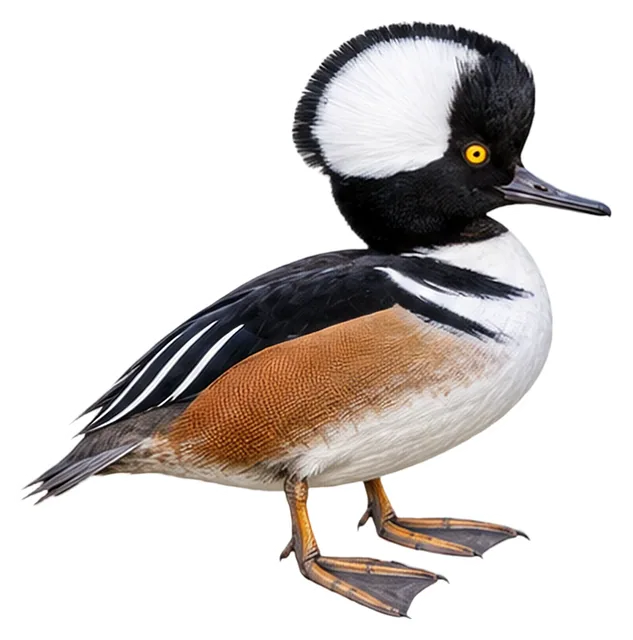
Hooded Merganser
Lophodytes cucullatus (Linnaeus, 1758)
40–49 cmLength614 gWeight
The hooded merganser (Lophodytes cucullatus) is a species of fish-eating duck in the subfamily Anatinae.
Busiest months: November–January and March · Most records: United States, Canada, Bermuda
Where and when it's recorded
Busiest months: November–January and March · Most records: United States, Canada, Bermuda

Hooded Merganser has been recorded at 778 of the 8,276 birding hotspots we track, in 27 countries and regions.
Records by month Northern Hemisphere
Where it's recorded most
- Billy Frank Jr. Nisqually NWRUnited States12,203 records
- Reifel Bird SanctuaryCanada11,961 records
- Union Bay Natural Area/Montlake FillUnited States10,561 records
More places
- HUNTLEY MEADOWS PARKUnited States9,091 records
- Tommy Thompson ParkCanada8,780 records
- Edwin B. Forsythe NWRUnited States7,338 records
- Central ParkUnited States5,958 records
- Great Meadows NWR – Concord UnitUnited States5,800 records
- Horn Pond Recreation AreaUnited States5,757 records
- Minnesota Valley NWR – Bass PondsUnited States5,493 records
Countries and regions with the most records
eBird records via GBIF up to 2024-12-31. A record means someone listed it; more records partly mean more birders, not more birds.
About
The hooded merganser (Lophodytes cucullatus) is a species of fish-eating duck in the subfamily Anatinae. It is the only extant species in the genus Lophodytes. The genus name derives from Greek: lophos meaning 'crest', and dutes meaning 'diver'.
Excerpt from Wikipedia, CC BY-SA 4.0 · authors · Read more on Wikipedia
Questions
How big is the Hooded Merganser?
The Hooded Merganser is about 40–49 cm long and weighs around 614 g.
Where does the Hooded Merganser live?
Its breeding range: North America: southeastern Alaska to northwestern USA; southern Manitoba to Nova Scotia (central, southeastern Canada) to eastern Texas and northern Florida (eastern, southeastern USA). It is most often recorded in United States, Canada and Bermuda.
When is the best time to see the Hooded Merganser?
At the hotspots we track, it is recorded most in January, March, November and December (Northern Hemisphere).
Is the Hooded Merganser endangered?
The IUCN Red List classifies the Hooded Merganser as Least Concern.
What does the Hooded Merganser eat?
Main food: Fish, shrimp & shellfish.
What family is the Hooded Merganser in?
It belongs to the family Ducks, Geese, Swans (Anatidae), order Anseriformes.
At a glance
- Length
- 40–49 cm
- Weight
- 614 g
- Habitat
- Wetland
- Diet
- Fish, shrimp & shellfish
- Lifestyle
- On the water surface
- Migration
- Migratory
- Conservation
- Least Concern
More measurements
- Wing
- 187 mm
- Tail
- 86 mm
- Bill
- 40 mm
- Tarsus
- 29 mm
Averages from the AVONET dataset; length from field guides where available.
Range
North America: southeastern Alaska to northwestern USA; southern Manitoba to Nova Scotia (central, southeastern Canada) to eastern Texas and northern Florida (eastern, southeastern USA)
Breeding range, IOC World Bird List 15.2
Classification
- Order
- Anseriformes
- Family
- Ducks, Geese, Swans Anatidae
- Genus
- Lophodytes
More from the family Ducks, Geese, Swans
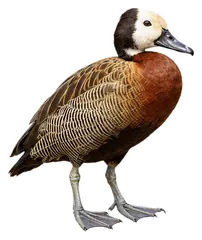 White-faced Whistling DuckDendrocygna viduata
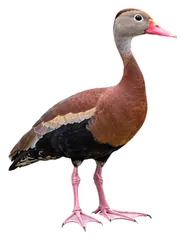 Black-bellied Whistling DuckDendrocygna autumnalis
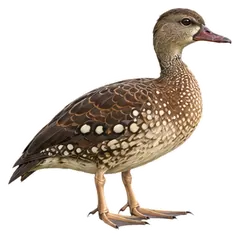 Spotted Whistling DuckDendrocygna guttata
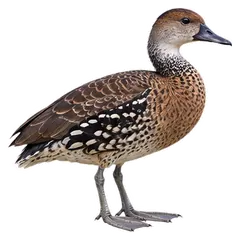 West Indian Whistling DuckDendrocygna arborea
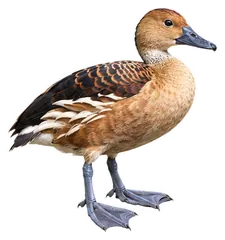 Fulvous Whistling DuckDendrocygna bicolor
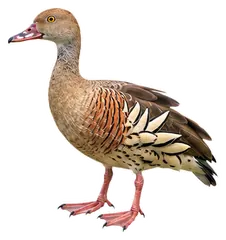 Plumed Whistling DuckDendrocygna eytoni
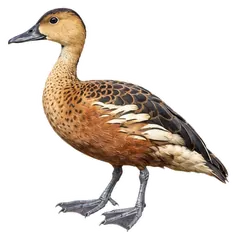 Wandering Whistling DuckDendrocygna arcuata
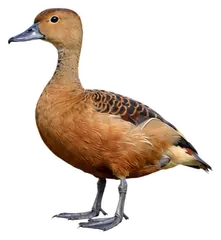 Lesser Whistling DuckDendrocygna javanica
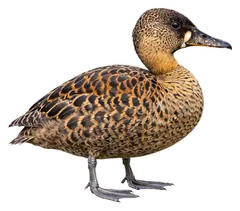 White-backed DuckThalassornis leuconotus
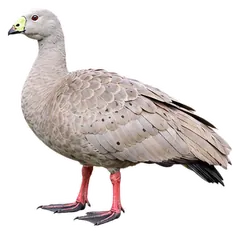 Cape Barren GooseCereopsis novaehollandiae
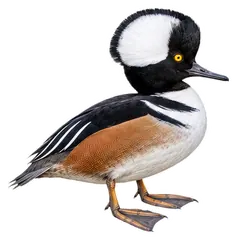
Download illustration
Free to use with credit: “Illustration: Bird Album (birdalbum.com)”. Drawn by AI from a reference photo by ብልጫ (Bilcha). ↗
Heard it but can't see it? Mingji identifies birds by sound and photo, on your phone.