 Bird Album
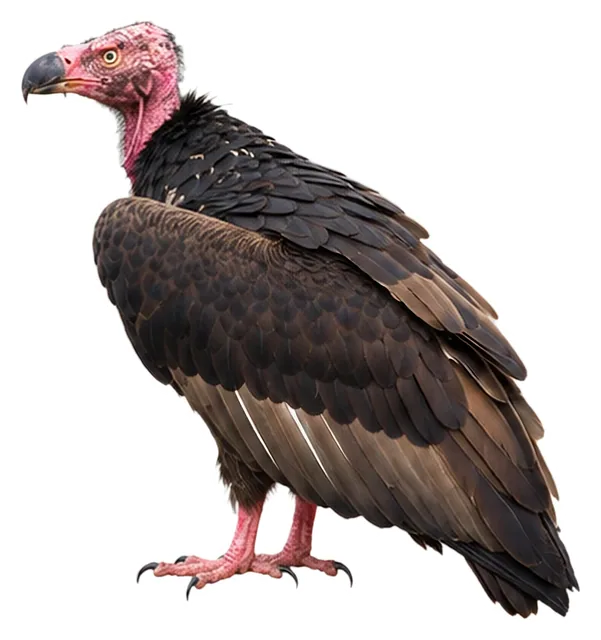
Red-headed Vulture
Sarcogyps calvus (Scopoli, 1786)
85 cmLength229 cmWingspan4.5 kgWeight
The adult has a black body and a bare head ranging from deep red to orange.
Busiest months: February · Most records: India, Cambodia, Nepal
How to identify
Field marks
- Head bare, deep red to orange in adult
- Body black
- Pale gray band at base of flight feathers
Male, female and young
Male iris whitish, female iris dark brown; juvenile has a paler red head.
Where and when it's recorded

Red-headed Vulture has been recorded at 60 of the 8,171 birding hotspots we track, in 4 countries and regions.
Records by month Northern Hemisphere
To protect this bird from disturbance, we don't list exact sites.
Countries and regions with the most records
eBird records via GBIF up to 2024-12-31. A record means someone listed it; more records partly mean more birders, not more birds.
About
The red-headed vulture (Sarcogyps calvus), also known as the Asian king vulture, Indian black vulture or Pondicherry vulture, is an Old World vulture mainly found in the Indian subcontinent, with small disjunct populations in some parts of Southeast Asia.
Excerpt from Wikipedia, CC BY-SA 4.0 · authors · Read more on Wikipedia
Questions
How big is the Red-headed Vulture?
The Red-headed Vulture is about 85 cm long, with a wingspan of 229 cm and weighs around 4.5 kg.
Where does the Red-headed Vulture live?
Its breeding range: Oriental: widespread. It is most often recorded in India, Cambodia and Nepal.
When is the best time to see the Red-headed Vulture?
At the hotspots we track, it is recorded most in February (Northern Hemisphere).
Is the Red-headed Vulture endangered?
The IUCN Red List classifies the Red-headed Vulture as Critically Endangered.
What does the Red-headed Vulture eat?
Main food: Carrion.
What family is the Red-headed Vulture in?
It belongs to the family Kites, Hawks, Eagles (Accipitridae), order Accipitriformes.
At a glance
- Length
- 85 cm
- Wingspan
- 229 cm
- Weight
- 4.5 kg
- Habitat
- Towns & farmland
- Diet
- Carrion
- Lifestyle
- Active on the ground
- Migration
- Resident (barely migrates)
- Conservation
- Critically Endangered
More measurements
- Wing
- 570 mm
- Tail
- 229 mm
- Bill
- 68 mm
- Tarsus
- 115 mm
Averages from the AVONET dataset; length from field guides where available.
Range
Oriental: widespread
Breeding range, IOC World Bird List 15.2
Classification
- Order
- Accipitriformes
- Family
- Kites, Hawks, Eagles Accipitridae
- Genus
- Sarcogyps
More from the family Kites, Hawks, Eagles
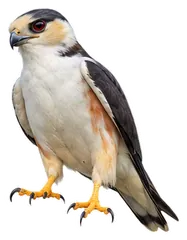 Pearl KiteGampsonyx swainsonii
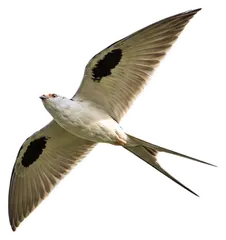 Scissor-tailed KiteChelictinia riocourii
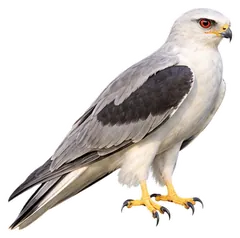 White-tailed KiteElanus leucurus
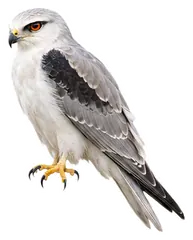 Black-winged KiteElanus caeruleus
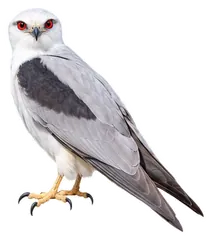 Black-shouldered KiteElanus axillaris
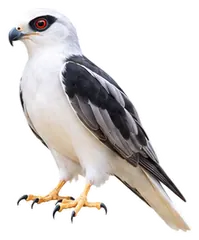 Letter-winged KiteElanus scriptus
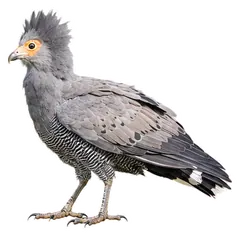 African Harrier-HawkPolyboroides typus
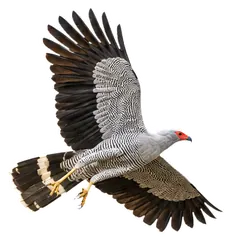 Madagascar Harrier-HawkPolyboroides radiatus
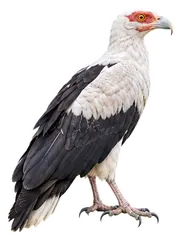 Palm-nut VultureGypohierax angolensis
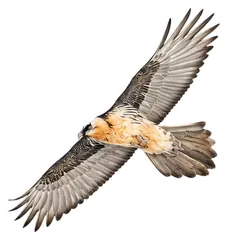 Bearded VultureGypaetus barbatus
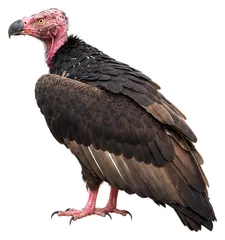
Download illustration
Free to use with credit: “Illustration: Bird Album (birdalbum.com)”. Drawn by AI from a reference photo by Rajinikanth Kasthuri. ↗
Heard it but can't see it? Mingji identifies birds by sound and photo, on your phone.