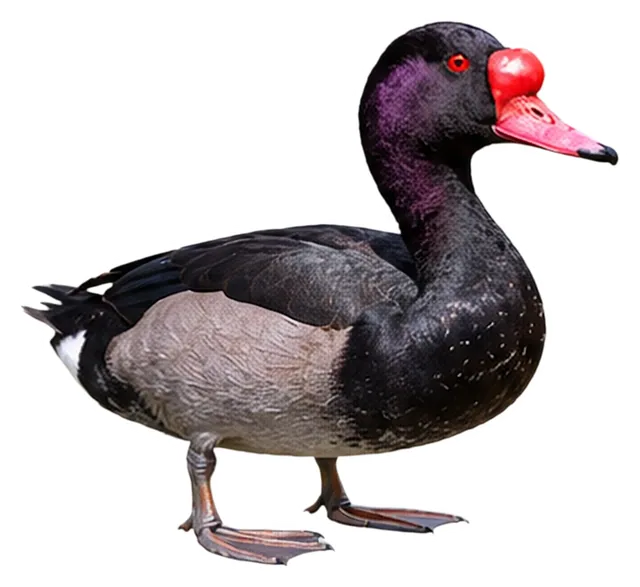
Rosy-billed Pochard
Netta peposaca (Vieillot, 1816)
56 cmLength1 kgWeight
The rosy-billed pochard (Netta peposaca), alternatively named rosybill or rosybill pochard, is a member of family Anatidae.
Busiest months: October–November · Most records: Argentina, Chile, Uruguay
Where and when it's recorded
Busiest months: October–November · Most records: Argentina, Chile, Uruguay

Rosy-billed Pochard has been recorded at 159 of the 8,276 birding hotspots we track, in 12 countries and regions.
Records by month Southern Hemisphere
Where it's recorded most
- Reserva Ecológica Costanera SurArgentina11,080 records
- SN Laguna BatucoChile807 records
- Lago de RegatasArgentina601 records
More places
- CeibasArgentina374 records
- Tranque La CadelladaChile353 records
- Piracicaba – TanquãBrazil344 records
- Piletones de El ParamilloArgentina324 records
- Dique Los Quiroga - Sgo. del EsteroArgentina285 records
- Laguna AlalayBolivia283 records
- Ceibas – humedalesArgentina278 records
Countries and regions with the most records
eBird records via GBIF up to 2024-12-31. A record means someone listed it; more records partly mean more birders, not more birds.
About
The rosy-billed pochard (Netta peposaca), alternatively named rosybill or rosybill pochard, is a member of family Anatidae. Though classified as a diving duck, this pochard feeds more like a dabbling duck feeding on seeds roots, sedges, aquatic plants and other grasses. Netta is Ancient Greek for "duck" and peposaca is a transcription of the Guaraní name of this species which means "showy wings", referring to the broad white stripe that is only visible with stretched out wings.
Excerpt from Wikipedia, CC BY-SA 4.0 · authors · Read more on Wikipedia
Questions
How big is the Rosy-billed Pochard?
The Rosy-billed Pochard is about 56 cm long and weighs around 1 kg.
Where does the Rosy-billed Pochard live?
Its breeding range: South America: Brazil and Paraguay to central Argentina and central Chile. It is most often recorded in Argentina, Chile and Uruguay.
When is the best time to see the Rosy-billed Pochard?
At the hotspots we track, it is recorded most in October and November (Southern Hemisphere).
Is the Rosy-billed Pochard endangered?
The IUCN Red List classifies the Rosy-billed Pochard as Least Concern.
What does the Rosy-billed Pochard eat?
Main food: Aquatic plants.
What family is the Rosy-billed Pochard in?
It belongs to the family Ducks, Geese, Swans (Anatidae), order Anseriformes.
At a glance
- Length
- 56 cm
- Weight
- 1 kg
- Habitat
- Wetland
- Diet
- Aquatic plants
- Lifestyle
- On the water surface
- Migration
- Partial migrant
- Conservation
- Least Concern
More measurements
- Wing
- 231 mm
- Tail
- 62 mm
- Bill
- 61 mm
- Tarsus
- 38 mm
Averages from the AVONET dataset; length from field guides where available.
Range
South America: Brazil and Paraguay to central Argentina and central Chile
Breeding range, IOC World Bird List 15.2
Classification
- Order
- Anseriformes
- Family
- Ducks, Geese, Swans Anatidae
- Genus
- Netta
Other birds in the genus Netta
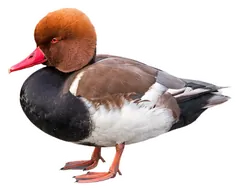 Red-crested PochardNetta rufina
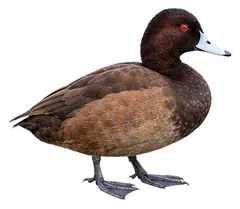 Southern PochardNetta erythrophthalma
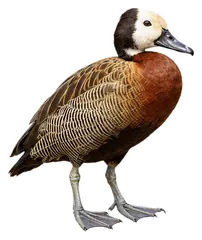 White-faced Whistling DuckDendrocygna viduata
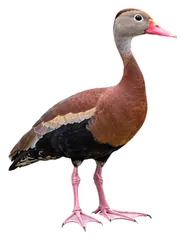 Black-bellied Whistling DuckDendrocygna autumnalis
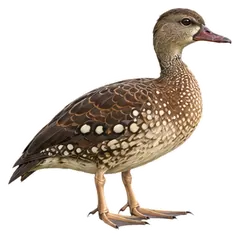 Spotted Whistling DuckDendrocygna guttata
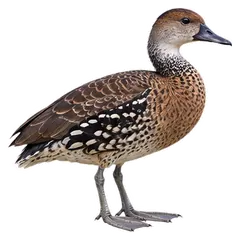 West Indian Whistling DuckDendrocygna arborea
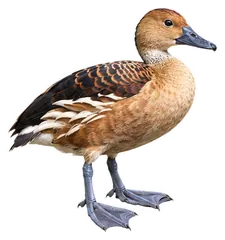 Fulvous Whistling DuckDendrocygna bicolor
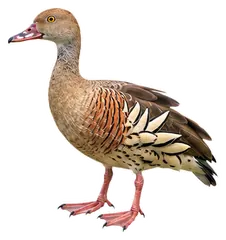 Plumed Whistling DuckDendrocygna eytoni
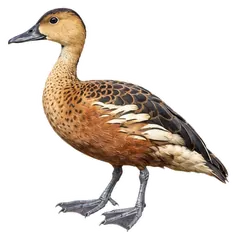 Wandering Whistling DuckDendrocygna arcuata
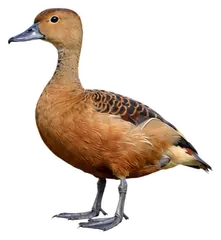 Lesser Whistling DuckDendrocygna javanica
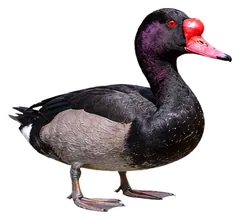
Download illustration
Free to use with credit: “Illustration: Bird Album (birdalbum.com)”. Drawn by AI from a reference photo by Johannes S.. ↗
Heard it but can't see it? Mingji identifies birds by sound and photo, on your phone.