 Bird Album
Brant Goose
Branta bernicla (Linnaeus, 1758)
≈52 cmLength101 cmWingspan1.3 kgWeight
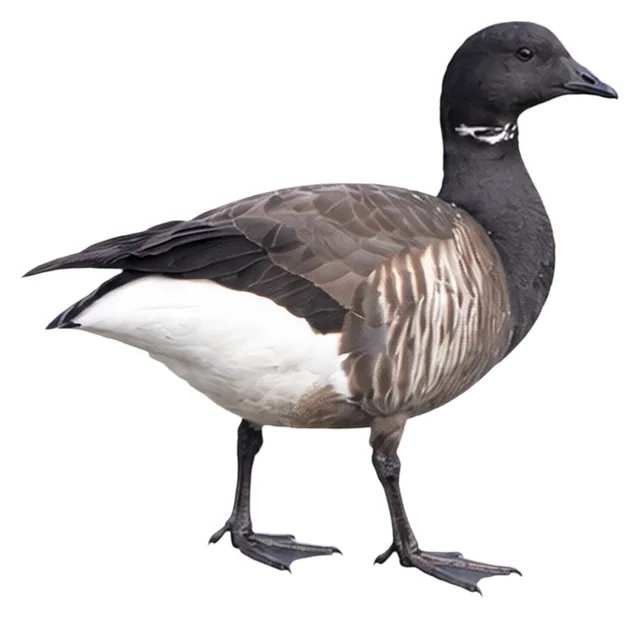
This small goose has a short, stout bill, black head and neck, and white patches on the sides of the neck.
Busiest months: January, March–May and November · Most records: United States, United Kingdom, Canada
How to identify
Field marks
- Bill short and stout
- Head and neck black, with larger white neck patches in the black subspecies
- Pure white below the tail; tail black and extremely short
- Belly varies from dark to pale between subspecies
Where and when it's recorded

Brant Goose has been recorded at 887 of the 8,276 birding hotspots we track, in 46 countries and regions.
Records by month Northern Hemisphere
Where it's recorded most
- Sandy HookUnited States9,967 records
- Edwin B. Forsythe NWRUnited States8,049 records
- Jamaica Bay Wildlife RefugeUnited States6,942 records
More places
- Oceanside Marine Nature Study AreaUnited States6,903 records
- Barnegat Lighthouse SPUnited States6,148 records
- Milford Point, CT AudubonUnited States5,834 records
- Titchwell Marsh RSPB ReserveUnited Kingdom5,695 records
- Edwin B. Forsythe NWR – Wildlife DriveUnited States5,158 records
- Salt Marsh Nature Center at Marine ParkUnited States5,115 records
- Jones Beach SP – Coast Guard StationUnited States5,050 records
Countries and regions with the most records
eBird records via GBIF up to 2024-12-31. A record means someone listed it; more records partly mean more birders, not more birds.
About
The brant or brent goose (Branta bernicla) is a small goose in the genus Branta. There are three subspecies, all of which winter along temperate-zone sea-coasts and breed on the high-Arctic tundra.
Excerpt from Wikipedia, CC BY-SA 4.0 · authors · Read more on Wikipedia
Questions
How big is the Brant Goose?
The Brant Goose is about ≈52 cm long, with a wingspan of 101 cm and weighs around 1.3 kg.
Where does the Brant Goose live?
Its breeding range: North America, Palearctic: widespread. It is most often recorded in United States, United Kingdom and Canada.
When is the best time to see the Brant Goose?
At the hotspots we track, it is recorded most in January, March, April, May and November (Northern Hemisphere).
Is the Brant Goose endangered?
The IUCN Red List classifies the Brant Goose as Least Concern.
What does the Brant Goose eat?
Main food: Land plants.
What family is the Brant Goose in?
It belongs to the family Ducks, Geese, Swans (Anatidae), order Anseriformes.
At a glance
- Length
- ≈52 cm
- Wingspan
- 101 cm
- Weight
- 1.3 kg
- Habitat
- Grassland
- Diet
- Land plants
- Lifestyle
- Active on the ground
- Migration
- Migratory
- Conservation
- Least Concern
More measurements
- Wing
- 320 mm
- Tail
- 94 mm
- Bill
- 41 mm
- Tarsus
- 55 mm
Averages from the AVONET dataset; length from field guides where available.
Range
North America, Palearctic: widespread
Breeding range, IOC World Bird List 15.2
Classification
- Order
- Anseriformes
- Family
- Ducks, Geese, Swans Anatidae
- Genus
- Branta
Other birds in the genus Branta
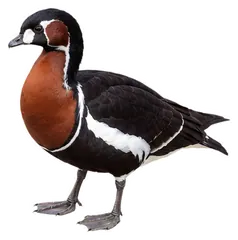 Red-breasted GooseBranta ruficollis
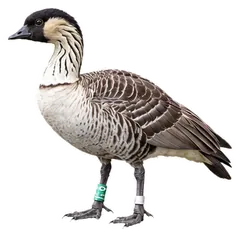 NeneBranta sandvicensis
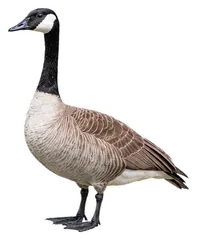 Canada GooseBranta canadensis
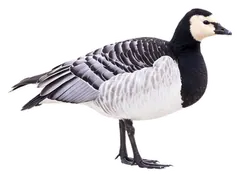 Barnacle GooseBranta leucopsis
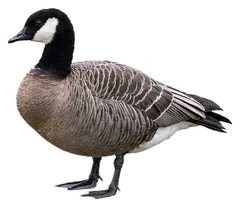 Cackling GooseBranta hutchinsii
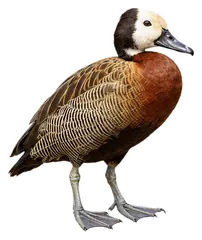 White-faced Whistling DuckDendrocygna viduata
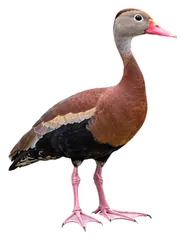 Black-bellied Whistling DuckDendrocygna autumnalis
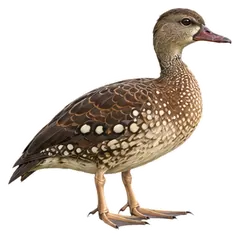 Spotted Whistling DuckDendrocygna guttata
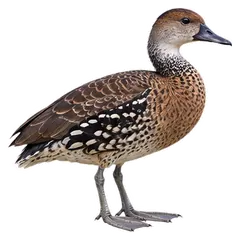 West Indian Whistling DuckDendrocygna arborea
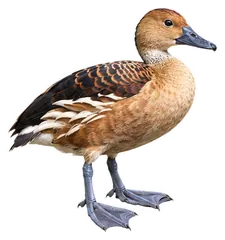 Fulvous Whistling DuckDendrocygna bicolor
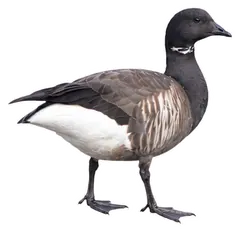
Download illustration
Free to use with credit: “Illustration: Bird Album (birdalbum.com)”. Drawn by AI from a reference photo by heidelaeufer. ↗
Heard it but can't see it? Mingji identifies birds by sound and photo, on your phone.