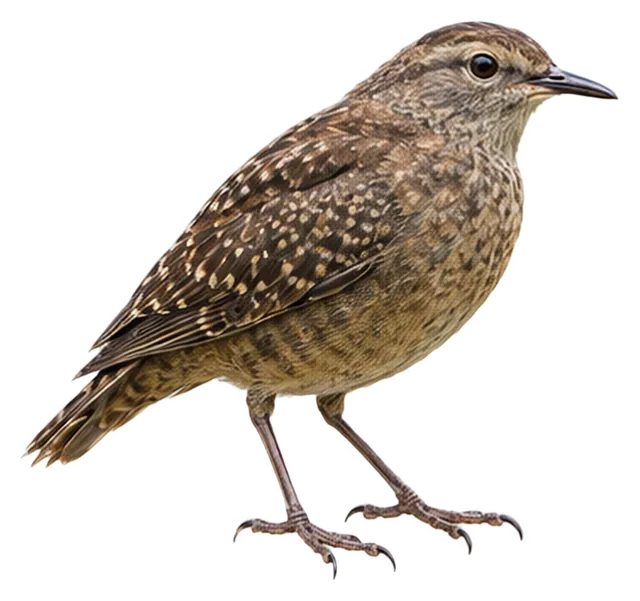
Tuamotu Sandpiper
Prosobonia parvirostris (Peale, 1849)
36 gWeight
The Tuamotu sandpiper (Prosobonia parvirostris) is an endangered member of the large wader family Scolopacidae, that is endemic to the Tuamotu Islands in French Polynesia.
Where and when it's recorded
No records at the public birding hotspots we track. It may be rare, remote, or its locations protected.
About
The Tuamotu sandpiper (Prosobonia parvirostris) is an endangered member of the large wader family Scolopacidae, that is endemic to the Tuamotu Islands in French Polynesia. It is sometimes placed in the monotypic genus Aechmorhynchus. In the local Tuamotuan language, it is known as the kivi-kivi.
Excerpt from Wikipedia, CC BY-SA 4.0 · authors · Read more on Wikipedia
Questions
How big is the Tuamotu Sandpiper?
The Tuamotu Sandpiper weighs around 36 g.
Where does the Tuamotu Sandpiper live?
Its breeding range: Pacific Ocean: Tuamotu Islands (eastern Polynesia).
Is the Tuamotu Sandpiper endangered?
The IUCN Red List classifies the Tuamotu Sandpiper as Endangered.
What does the Tuamotu Sandpiper eat?
Main food: Fish, shrimp & shellfish.
What family is the Tuamotu Sandpiper in?
It belongs to the family Sandpipers, Snipes (Scolopacidae), order Charadriiformes.
At a glance
- Weight
- 36 g
- Habitat
- Coast & tidal flats
- Diet
- Fish, shrimp & shellfish
- Lifestyle
- Active on the ground
- Migration
- Resident (barely migrates)
- Conservation
- Endangered
More measurements
- Wing
- 105 mm
- Tail
- 54 mm
- Bill
- 20 mm
- Tarsus
- 25 mm
Averages from the AVONET dataset; length from field guides where available.
Range
Pacific Ocean: Tuamotu Islands (eastern Polynesia)
Breeding range, IOC World Bird List 15.2
Classification
- Order
- Charadriiformes
- Family
- Sandpipers, Snipes Scolopacidae
- Genus
- Prosobonia
More from the family Sandpipers, Snipes
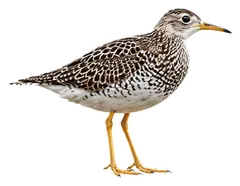 Upland SandpiperBartramia longicauda
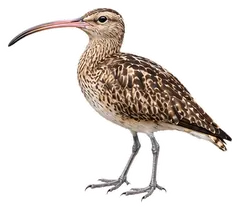 Bristle-thighed CurlewNumenius tahitiensis
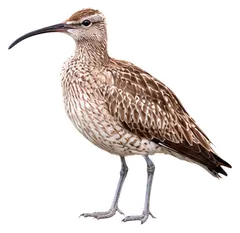 Eurasian WhimbrelNumenius phaeopus
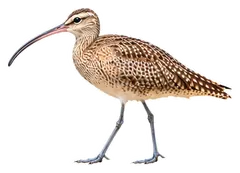 Hudsonian WhimbrelNumenius hudsonicus
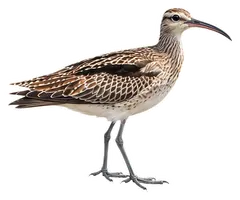 Little CurlewNumenius minutus
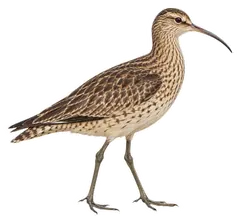 Eskimo CurlewNumenius borealis
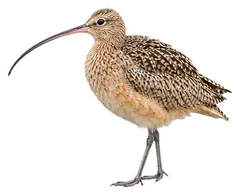 Long-billed CurlewNumenius americanus
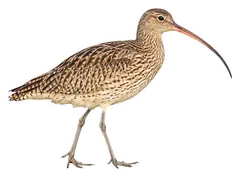 Far Eastern CurlewNumenius madagascariensis
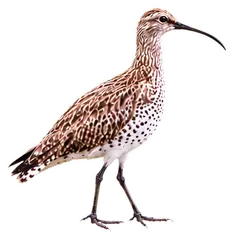 Slender-billed CurlewNumenius tenuirostris
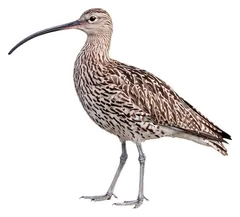 Eurasian CurlewNumenius arquata
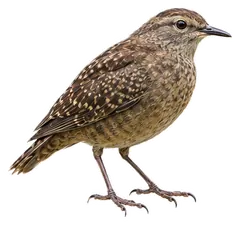
Download illustration
Free to use with credit: “Illustration: Bird Album (birdalbum.com)”. Drawn by AI from a reference photo by James Eaton. ↗
Heard it but can't see it? Mingji identifies birds by sound and photo, on your phone.
In other languages
- EnglishTuamotu Sandpiper
- 简体中文土岛鹬
- 繁體中文土木土鷸
- 日本語ツアモツシギ
- DeutschTuamotu-Südseeläufer
- FrançaisBécasseau des Tuamotu
- EspañolAndarríos de Tuamotu
- Portuguêspilrito-das-tuamotu
- ItalianoPiro piro delle Tuamotu
- NederlandsTuamotustrandloper
- РусскийТуамотский атолльник
- Svenskatuamotusnäppa
- DanskTuamotu Klire
- Polskibrodźczyk krótkodzioby