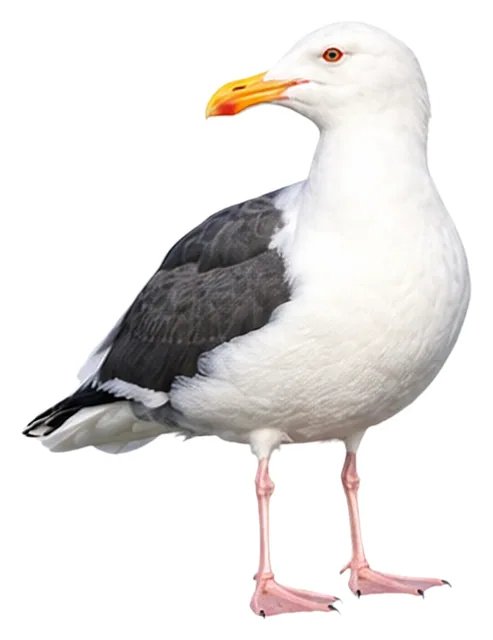
Western Gull
Larus occidentalis Audubon, 1839
923 gWeight
The western gull (Larus occidentalis) is a large white-headed gull that lives on the west coast of North America and the Pacific Ocean.
Busiest months: September–November · Most records: United States, Mexico, Canada
Where and when it's recorded
Busiest months: September–November · Most records: United States, Mexico, Canada

Western Gull has been recorded at 140 of the 8,276 birding hotspots we track, in 4 countries and regions.
Records by month Northern Hemisphere
Where it's recorded most
- Southeast Farallon IslandUnited States16,510 records
- Pt. Pinos – seawatch onlyUnited States16,105 records
- Pillar Point HarborUnited States13,253 records
More places
- San Diego River mudflatsUnited States11,934 records
- Bolsa Chica Ecological ReserveUnited States10,187 records
- Arcata Marsh and Wildlife SanctuaryUnited States8,713 records
- Moss Landing – Jetty Road, north jetty & State BeachUnited States8,652 records
- Malibu Lagoon – State Beach including LagoonUnited States7,987 records
- Rodeo LagoonUnited States7,353 records
- Madrona MarshUnited States6,839 records
Countries and regions with the most records
eBird records via GBIF up to 2024-12-31. A record means someone listed it; more records partly mean more birders, not more birds.
About
The western gull (Larus occidentalis) is a large white-headed gull that lives on the west coast of North America and the Pacific Ocean. The western gull ranges from British Columbia, Canada, to Baja California, Mexico.
Excerpt from Wikipedia, CC BY-SA 4.0 · authors · Read more on Wikipedia
Questions
How big is the Western Gull?
The Western Gull weighs around 923 g.
Where does the Western Gull live?
Its breeding range: North America, Middle America: western North Pacific coast from northwestern Washington to Island Guadelupe and central Baja California (northwestern Mexico). It is most often recorded in United States, Mexico and Canada.
When is the best time to see the Western Gull?
At the hotspots we track, it is recorded most in September, October and November (Northern Hemisphere).
Is the Western Gull endangered?
The IUCN Red List classifies the Western Gull as Least Concern.
What does the Western Gull eat?
Main food: Omnivore.
What family is the Western Gull in?
It belongs to the family Gulls, Terns, Skimmers (Laridae), order Charadriiformes.
At a glance
- Weight
- 923 g
- Habitat
- Ocean
- Diet
- Omnivore
- Lifestyle
- Varied
- Migration
- Partial migrant
- Conservation
- Least Concern
More measurements
- Wing
- 398 mm
- Tail
- 145 mm
- Bill
- 65 mm
- Tarsus
- 64 mm
Averages from the AVONET dataset; length from field guides where available.
Range
North America, Middle America: western North Pacific coast from northwestern Washington to Island Guadelupe and central Baja California (northwestern Mexico)
Breeding range, IOC World Bird List 15.2
Classification
- Order
- Charadriiformes
- Family
- Gulls, Terns, Skimmers Laridae
- Genus
- Larus
Other birds in the genus Larus
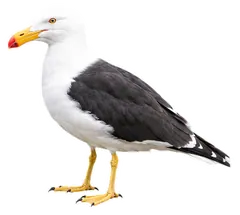 Pacific GullLarus pacificus
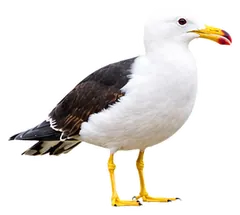 Belcher's GullLarus belcheri
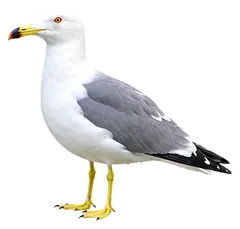 Black-tailed GullLarus crassirostris
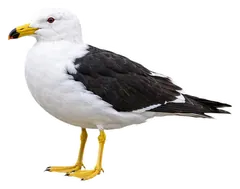 Olrog's GullLarus atlanticus
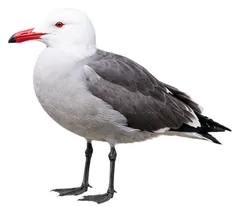 Heermann's GullLarus heermanni
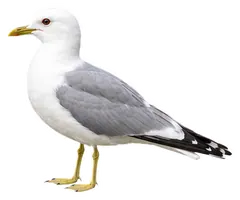 Common GullLarus canus
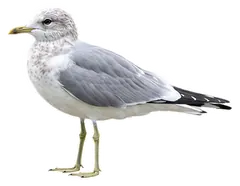 Short-billed GullLarus brachyrhynchus
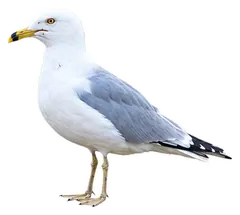 Ring-billed GullLarus delawarensis
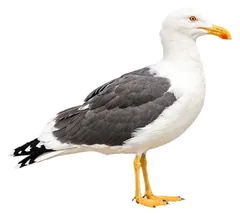 Yellow-footed GullLarus livens
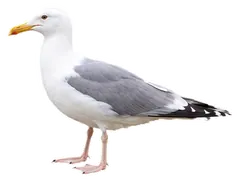 Caspian GullLarus cachinnans
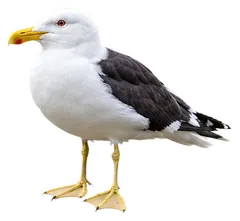 Kelp GullLarus dominicanus
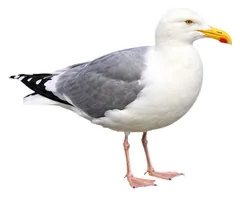 European Herring GullLarus argentatus
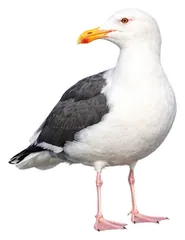
Download illustration
Free to use with credit: “Illustration: Bird Album (birdalbum.com)”. Drawn by AI from a reference photo by Jamie Chavez. ↗
Heard it but can't see it? Mingji identifies birds by sound and photo, on your phone.