 Bird Album
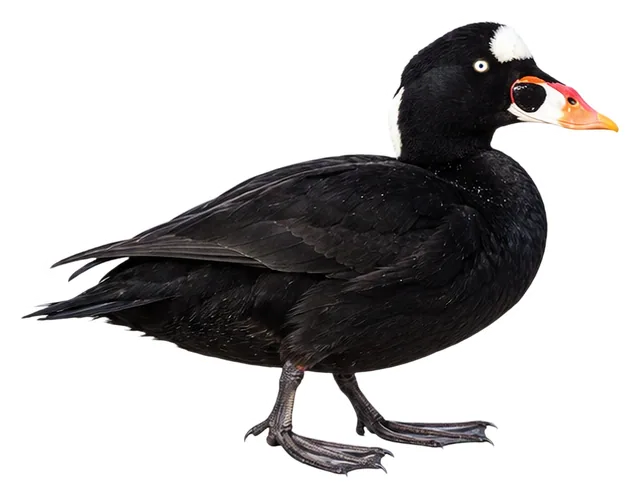
Surf Scoter
Melanitta perspicillata (Linnaeus, 1758)
48 cmLength1.1 kgWeight
The surf scoter (Melanitta perspicillata) is a large sea duck native to North America.
Busiest months: November · Most records: United States, Canada, Mexico
Where and when it's recorded

Surf Scoter has been recorded at 514 of the 8,171 birding hotspots we track, in 17 countries and regions.
Records by month Northern Hemisphere
Where it's recorded most
- Pt. Pinos – seawatch onlyUnited States13,338 records
- Southeast Farallon IslandUnited States8,477 records
- Pillar Point HarborUnited States6,434 records
More places
- Edmonds WaterfrontUnited States6,329 records
- Ocean City InletUnited States5,822 records
- Cape Island – CMP – Coral Ave. dune crossingUnited States5,590 records
- Rodeo LagoonUnited States5,523 records
- Bolsa Chica Ecological ReserveUnited States5,431 records
- Discovery ParkUnited States5,070 records
- Tsawwassen Ferry Terminal JettyCanada4,847 records
Countries and regions with the most records
eBird records via GBIF up to 2024-12-31. A record means someone listed it; more records partly mean more birders, not more birds.
About
The surf scoter (Melanitta perspicillata) is a large sea duck native to North America. Adult males are almost entirely black with characteristic white patches on the forehead and the nape and adult females are slightly smaller and browner. Surf scoters breed in Northern Canada and Alaska and winter along the Pacific and Atlantic coasts of North America.
Excerpt from Wikipedia, CC BY-SA 4.0 · authors · Read more on Wikipedia
Questions
How big is the Surf Scoter?
The Surf Scoter is about 48 cm long and weighs around 1.1 kg.
Where does the Surf Scoter live?
Its breeding range: North America: mainland Alaska through subarctic Canada east to Labrador. It is most often recorded in United States, Canada and Mexico.
When is the best time to see the Surf Scoter?
At the hotspots we track, it is recorded most in November (Northern Hemisphere).
Is the Surf Scoter endangered?
The IUCN Red List classifies the Surf Scoter as Least Concern.
What does the Surf Scoter eat?
Main food: Fish, shrimp & shellfish.
What family is the Surf Scoter in?
It belongs to the family Ducks, Geese, Swans (Anatidae), order Anseriformes.
At a glance
- Length
- 48 cm
- Weight
- 1.1 kg
- Habitat
- Wetland
- Diet
- Fish, shrimp & shellfish
- Lifestyle
- On the water surface
- Migration
- Migratory
- Conservation
- Least Concern
More measurements
- Wing
- 226 mm
- Tail
- 73 mm
- Bill
- 59 mm
- Tarsus
- 38 mm
Averages from the AVONET dataset; length from field guides where available.
Range
North America: mainland Alaska through subarctic Canada east to Labrador
Breeding range, IOC World Bird List 15.2
Classification
- Order
- Anseriformes
- Family
- Ducks, Geese, Swans Anatidae
- Genus
- Melanitta
Other birds in the genus Melanitta
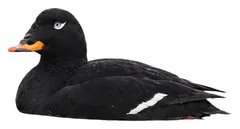 Velvet ScoterMelanitta fusca
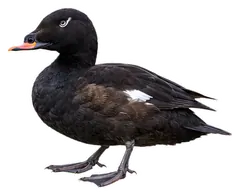 White-winged ScoterMelanitta deglandi
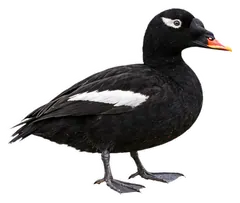 Stejneger's ScoterMelanitta stejnegeri
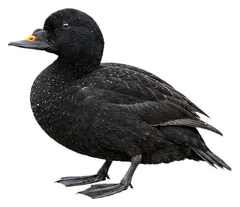 Common ScoterMelanitta nigra
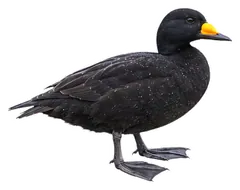 Black ScoterMelanitta americana
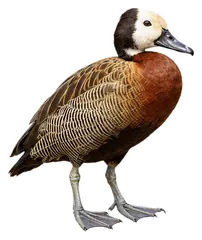 White-faced Whistling DuckDendrocygna viduata
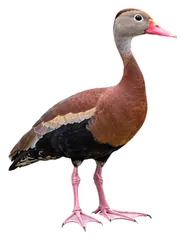 Black-bellied Whistling DuckDendrocygna autumnalis
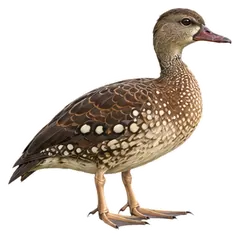 Spotted Whistling DuckDendrocygna guttata
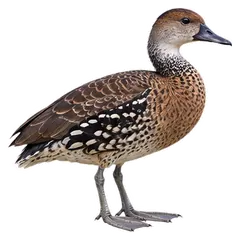 West Indian Whistling DuckDendrocygna arborea
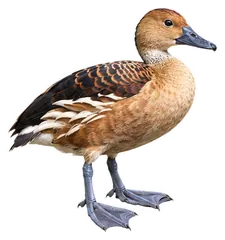 Fulvous Whistling DuckDendrocygna bicolor
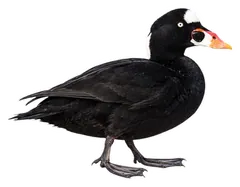
Download illustration
Free to use with credit: “Illustration: Bird Album (birdalbum.com)”. Drawn by AI from a reference photo by Ross Millikan. ↗
Heard it but can't see it? Mingji identifies birds by sound and photo, on your phone.