 Bird Album
St. Kitts & Nevis · Saint Kitts
Central Forest Reserve
50 species and 541 records in eBird up to 2024-12-31.
Best months: January–February, with up to 15 species seen regularly.
Seen here in November
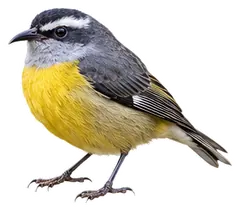 BananaquitCoereba flaveola
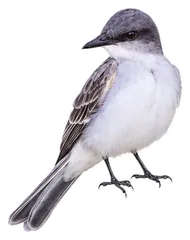 Grey KingbirdTyrannus dominicensis
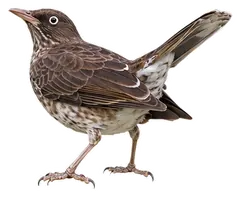 Pearly-eyed ThrasherMargarops fuscatus
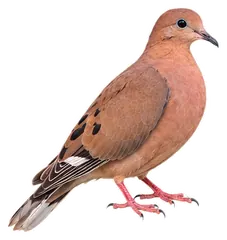 Zenaida DoveZenaida aurita
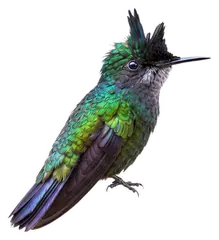 Antillean Crested HummingbirdOrthorhyncus cristatus
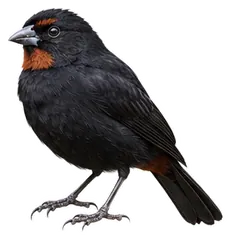 Lesser Antillean BullfinchLoxigilla noctis
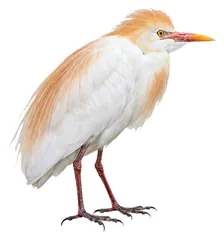 Western Cattle EgretArdea ibis
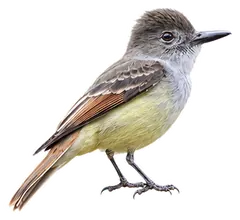 Lesser Antillean FlycatcherMyiarchus oberi
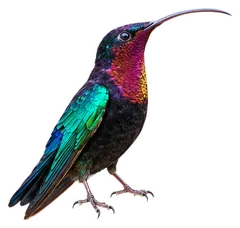 Purple-throated CaribEulampis jugularis
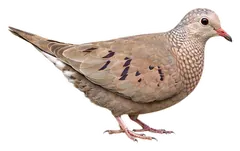 Common Ground DoveColumbina passerina
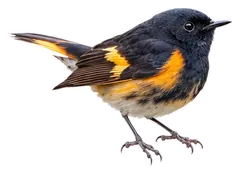 American RedstartSetophaga ruticilla
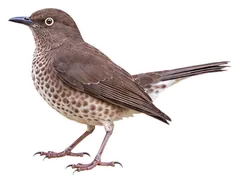 Scaly-breasted ThrasherAllenia fusca
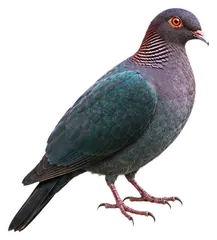 Scaly-naped PigeonPatagioenas squamosa
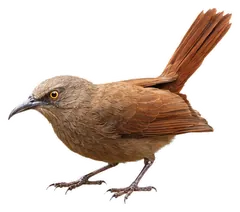 Brown TremblerCinclocerthia ruficauda
Species seen regularly, by month
Species with 3 or more records in that month, all years combined.
Nearby hotspots
- Wingfield0 km38 species
- Romney Manor1 km60 species
- Port Zante9 km54 species
- Basseterre9 km75 species
- Greatheeds Pond10 km63 species
- Half Moon Bay Pond11 km75 species
All 50 species recorded here
- Bananaquit Coereba flaveola
- Zenaida Dove Zenaida aurita
- Antillean Crested Hummingbird Orthorhyncus cristatus
- Grey Kingbird Tyrannus dominicensis
- Pearly-eyed Thrasher Margarops fuscatus
- Scaly-breasted Thrasher Allenia fusca
- Lesser Antillean Flycatcher Myiarchus oberi
- Bridled Quail-Dove Geotrygon mystacea
- Scaly-naped Pigeon Patagioenas squamosa
- Lesser Antillean Bullfinch Loxigilla noctis
- Brown Trembler Cinclocerthia ruficauda
- Purple-throated Carib Eulampis jugularis
- Red Junglefowl Gallus gallus
- Green-throated Carib Eulampis holosericeus
- Eurasian Collared Dove Streptopelia decaocto
- White-winged Dove Zenaida asiatica
- Western Cattle Egret Ardea ibis
- American Kestrel Falco sparverius
- Magnificent Frigatebird Fregata magnificens
- Common Ground Dove Columbina passerina
- Black-whiskered Vireo Vireo altiloquus
- Black-faced Grassquit Melanospiza bicolor
- Caribbean Elaenia Elaenia martinica
- Red-tailed Hawk Buteo jamaicensis
- Brown Pelican Pelecanus occidentalis
- Rock Dove Columba livia
- Carib Grackle Quiscalus lugubris
- Mangrove Warbler Setophaga petechia
- Laughing Gull Leucophaeus atricilla
- Royal Tern Thalasseus maximus
- Northern Parula Setophaga americana
- Brown Booby Sula leucogaster
- Lesser Black-backed Gull Larus fuscus
- Northern Waterthrush Parkesia noveboracensis
- Ruddy Turnstone Arenaria interpres
- American Redstart Setophaga ruticilla
- Common Gallinule Gallinula galeata
- Green Heron Butorides virescens
- Belted Kingfisher Megaceryle alcyon
- Snowy Egret Egretta thula
- Sanderling Calidris alba
- Shiny Cowbird Molothrus bonariensis
- Helmeted Guineafowl Numida meleagris
- Great Egret Ardea alba
- Killdeer Charadrius vociferus
- Caribbean Martin Progne dominicensis
- Yellow-billed Cuckoo Coccyzus americanus
- Merlin Falco columbarius
- Eurasian Whimbrel Numenius phaeopus
- Black-necked Stilt Himantopus mexicanus
Most recorded first. Species we protect from disturbance aren't listed.
Questions
When is the best time to go birding at Central Forest Reserve?
January–February. That's when the most species are seen regularly here, up to 15 in a month.
How many bird species have been seen at Central Forest Reserve?
50 species, from 541 eBird records up to 2024-12-31.
What birds can I see at Central Forest Reserve in November?
The most recorded in November: Bananaquit, Grey Kingbird, Pearly-eyed Thrasher, Zenaida Dove and Antillean Crested Hummingbird.
eBird records via GBIF up to 2024-12-31. A record means someone listed it; more records partly mean more birders, not more birds.