 Bird Album
Barbados · Saint Philip
Hampton Private Impoundment
63 species and 2,854 records in eBird up to 2024-12-31.
Best months: January and October–November, with up to 39 species seen regularly.
Seen here in November
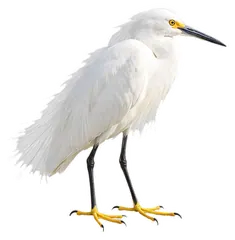 Snowy EgretEgretta thula
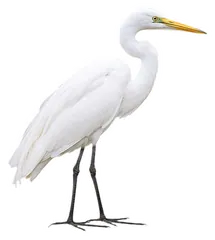 Great EgretArdea alba
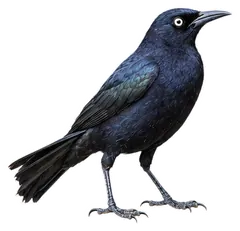 Carib GrackleQuiscalus lugubris
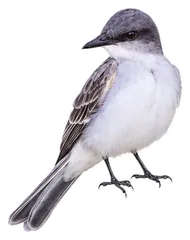 Grey KingbirdTyrannus dominicensis
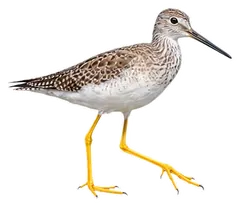 Greater YellowlegsTringa melanoleuca
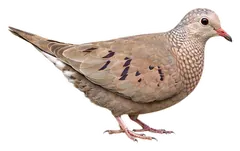 Common Ground DoveColumbina passerina
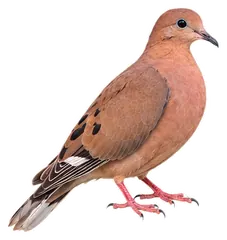 Zenaida DoveZenaida aurita
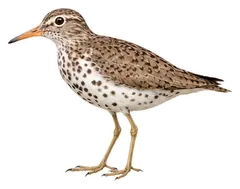 Spotted SandpiperActitis macularius
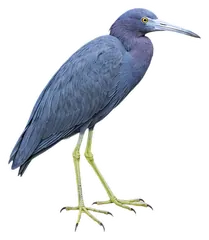 Little Blue HeronEgretta caerulea
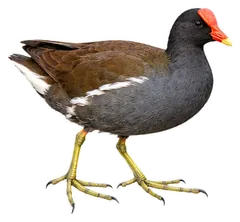 Common GallinuleGallinula galeata
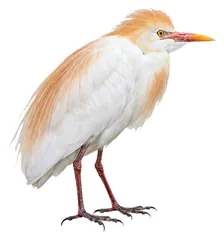 Western Cattle EgretArdea ibis
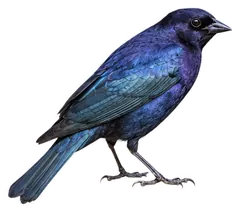 Shiny CowbirdMolothrus bonariensis
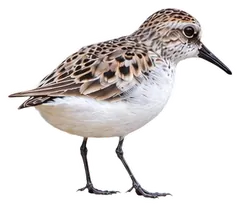 Semipalmated SandpiperCalidris pusilla
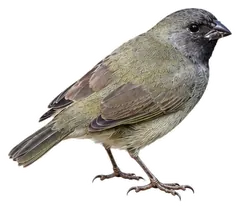 Black-faced GrassquitMelanospiza bicolor
39 species seen regularly here in November · showing the 14 most recorded. All 63 species recorded here ↓
Species seen regularly, by month
Species with 3 or more records in that month, all years combined.
Nearby hotspots
- Woodbourne Shorebird Refuge1 km92 species
- Congo Road private impoundment4 km73 species
- Congo Road Private Impoundment4 km94 species
- Chancery Lane Swamp5 km98 species
- Inch Marlowe Point7 km59 species
- Oistins8 km65 species
All 63 species recorded here
- Snowy Egret Egretta thula
- Great Egret Ardea alba
- Little Blue Heron Egretta caerulea
- Carib Grackle Quiscalus lugubris
- Common Gallinule Gallinula galeata
- Zenaida Dove Zenaida aurita
- Grey Kingbird Tyrannus dominicensis
- Greater Yellowlegs Tringa melanoleuca
- Common Ground Dove Columbina passerina
- Spotted Sandpiper Actitis macularius
- Little Egret Egretta garzetta
- Western Cattle Egret Ardea ibis
- Shiny Cowbird Molothrus bonariensis
- Black-faced Grassquit Melanospiza bicolor
- Barbados Bullfinch Loxigilla barbadensis
- Least Sandpiper Calidris minutilla
- Great Blue Heron Ardea herodias
- Eurasian Spoonbill Platalea leucorodia
- Green Heron Butorides virescens
- Semipalmated Plover Charadrius semipalmatus
- Semipalmated Sandpiper Calidris pusilla
- Bananaquit Coereba flaveola
- Pectoral Sandpiper Calidris melanotos
- Wilson's Snipe Gallinago delicata
- Scaly-naped Pigeon Patagioenas squamosa
- Eurasian Collared Dove Streptopelia decaocto
- Solitary Sandpiper Tringa solitaria
- Stilt Sandpiper Calidris himantopus
- Black-bellied Whistling Duck Dendrocygna autumnalis
- Sora Porzana carolina
- Blue-winged Teal Spatula discors
- Hudsonian Godwit Limosa haemastica
- Peregrine Falcon Falco peregrinus
- Grassland Yellow Finch Sicalis luteola
- Muscovy Duck Cairina moschata
- Osprey Pandion haliaetus
- Belted Kingfisher Megaceryle alcyon
- American Golden Plover Pluvialis dominica
- Barn Swallow Hirundo rustica
- Mangrove Warbler Setophaga petechia
- Eared Dove Zenaida auriculata
- Black-crowned Night Heron Nycticorax nycticorax
- Grey Heron Ardea cinerea
- American Coot Fulica americana
- Laughing Gull Leucophaeus atricilla
- Lesser Scaup Aythya affinis
- Green-throated Carib Eulampis holosericeus
- Ruddy Turnstone Arenaria interpres
- Caribbean Martin Progne dominicensis
- Wilson's Phalarope Phalaropus tricolor
- Merlin Falco columbarius
- Tricolored Heron Egretta tricolor
- Pied-billed Grebe Podilymbus podiceps
- Rose-ringed Parakeet Psittacula krameri
- Western Sandpiper Calidris mauri
- American Wigeon Mareca americana
- Rock Dove Columba livia
- Fulvous Whistling Duck Dendrocygna bicolor
- Purple Gallinule Porphyrio martinica
- Bobolink Dolichonyx oryzivorus
- Yellow-billed Cuckoo Coccyzus americanus
- Snail Kite Rostrhamus sociabilis
- Northern Pintail Anas acuta
Most recorded first. Species we protect from disturbance aren't listed.
Questions
When is the best time to go birding at Hampton Private Impoundment?
January and October–November. That's when the most species are seen regularly here, up to 39 in a month.
How many bird species have been seen at Hampton Private Impoundment?
63 species, from 2,854 eBird records up to 2024-12-31.
What birds can I see at Hampton Private Impoundment in November?
The most recorded in November: Snowy Egret, Great Egret, Carib Grackle, Grey Kingbird and Greater Yellowlegs.
eBird records via GBIF up to 2024-12-31. A record means someone listed it; more records partly mean more birders, not more birds.