 Bird Album
Norfolk Island
Mission Pool
52 species and 1,623 records in eBird up to 2024-12-31.
Best months: October–November, with up to 30 species seen regularly.
Seen here in November
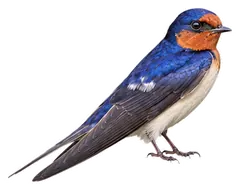 Welcome SwallowHirundo neoxena
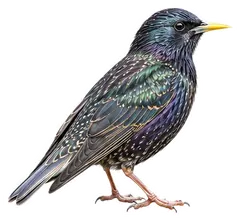 Common StarlingSturnus vulgaris
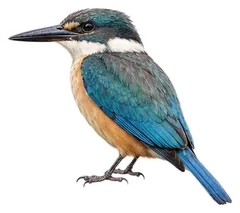 Sacred KingfisherTodiramphus sanctus
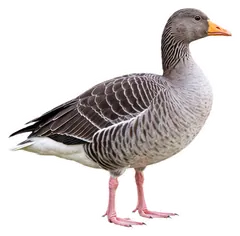 Greylag GooseAnser anser
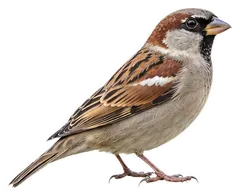 House SparrowPasser domesticus
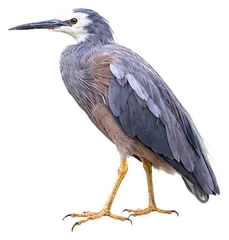 White-faced HeronEgretta novaehollandiae
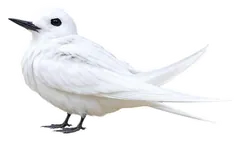 Atlantic White TernGygis alba
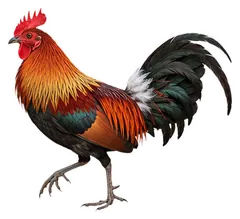 Red JunglefowlGallus gallus
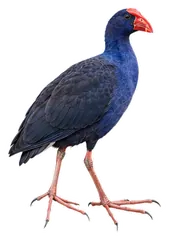 Australasian SwamphenPorphyrio melanotus
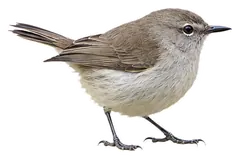 Norfolk GerygoneGerygone modesta
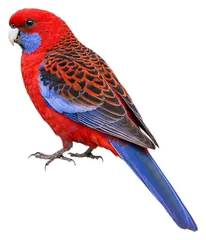 Crimson RosellaPlatycercus elegans
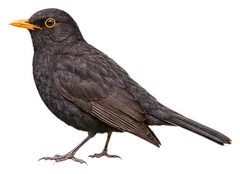 Common BlackbirdTurdus merula
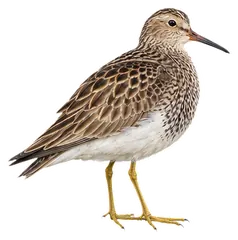 Pectoral SandpiperCalidris melanotos
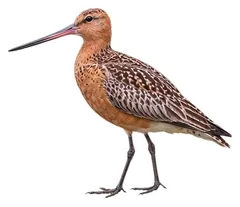 Bar-tailed GodwitLimosa lapponica
Species seen regularly, by month
Species with 3 or more records in that month, all years combined.
Nearby hotspots
- Norfolk Island – main island2 km74 species
- Norfolk Island Botanic Gardens2 km46 species
- Hundred Acres Reserve2 km46 species
- Norfolk Island National Park – Palm Glen3 km39 species
- Norfolk Island National Park – Captain Cook Memorial4 km49 species
- Lagoon near Kingston Common4 km61 species
All 52 species recorded here
- Welcome Swallow Hirundo neoxena
- Common Starling Sturnus vulgaris
- Greylag Goose Anser anser
- Sacred Kingfisher Todiramphus sanctus
- House Sparrow Passer domesticus
- White-faced Heron Egretta novaehollandiae
- Red Junglefowl Gallus gallus
- Atlantic White Tern Gygis alba
- Norfolk Gerygone Gerygone modesta
- Australasian Swamphen Porphyrio melanotus
- Common Blackbird Turdus merula
- Crimson Rosella Platycercus elegans
- Mallard Anas platyrhynchos
- Australasian Grebe Tachybaptus novaehollandiae
- Silvereye Zosterops lateralis
- Great Egret Ardea alba
- Pacific Black Duck Anas superciliosa
- Pectoral Sandpiper Calidris melanotos
- California Quail Callipepla californica
- Little Egret Egretta garzetta
- Royal Spoonbill Platalea regia
- Song Thrush Turdus philomelos
- Little Pied Cormorant Microcarbo melanoleucos
- Bar-tailed Godwit Limosa lapponica
- Little Black Cormorant Phalacrocorax sulcirostris
- Australian Golden Whistler Pachycephala pectoralis
- Eastern Cattle Egret Ardea coromanda
- Rock Dove Columba livia
- European Goldfinch Carduelis carduelis
- Pacific Emerald Dove Chalcophaps longirostris
- European Greenfinch Chloris chloris
- Grey Fantail Rhipidura albiscapa
- Pacific Golden Plover Pluvialis fulva
- Muscovy Duck Cairina moschata
- Sooty Tern Onychoprion fuscatus
- Nankeen Kestrel Falco cenchroides
- Eurasian Coot Fulica atra
- Norfolk Parakeet Cyanoramphus cookii
- Semipalmated Plover Charadrius semipalmatus
- Common Greenshank Tringa nebularia
- Pied Stilt Himantopus leucocephalus
- Plumed Whistling Duck Dendrocygna eytoni
- Black-winged Petrel Pterodroma nigripennis
- Black Noddy Anous minutus
- Shining Bronze Cuckoo Chalcites lucidus
- Red-tailed Tropicbird Phaethon rubricauda
- Masked Booby Sula dactylatra
- Swamp Harrier Circus approximans
- Northern Shoveler Spatula clypeata
- Grey Teal Anas gracilis
- Great Cormorant Phalacrocorax carbo
- Great Frigatebird Fregata minor
Most recorded first. Species we protect from disturbance aren't listed.
Questions
When is the best time to go birding at Mission Pool?
October–November. That's when the most species are seen regularly here, up to 30 in a month.
How many bird species have been seen at Mission Pool?
52 species, from 1,623 eBird records up to 2024-12-31.
What birds can I see at Mission Pool in November?
The most recorded in November: Welcome Swallow, Common Starling, Sacred Kingfisher, Greylag Goose and House Sparrow.
eBird records via GBIF up to 2024-12-31. A record means someone listed it; more records partly mean more birders, not more birds.