 Bird Album
New Zealand · Canterbury Region
Travis Wetland – New Pond
60 species and 8,351 records in eBird up to 2024-12-31.
Best months: October–June and August, with up to 35 species seen regularly.
Seen here in November
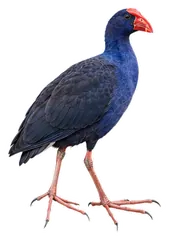 Australasian SwamphenPorphyrio melanotus
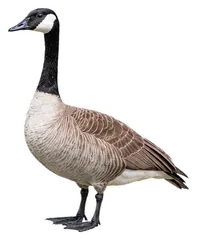 Canada GooseBranta canadensis
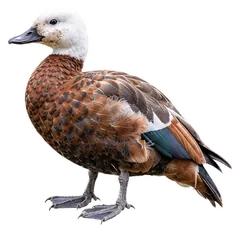 Paradise ShelduckTadorna variegata
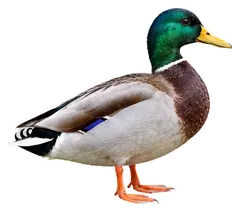 MallardAnas platyrhynchos
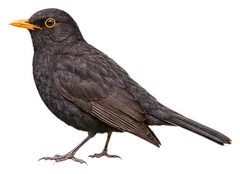 Common BlackbirdTurdus merula
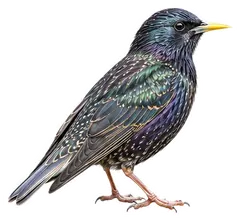 Common StarlingSturnus vulgaris
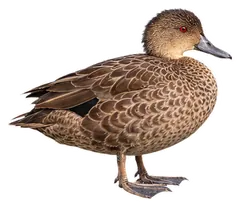 Grey TealAnas gracilis
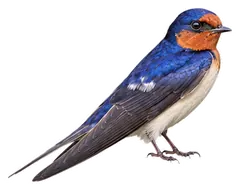 Welcome SwallowHirundo neoxena
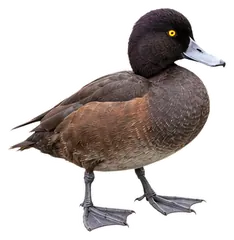 New Zealand ScaupAythya novaeseelandiae
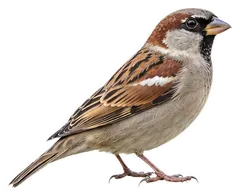 House SparrowPasser domesticus
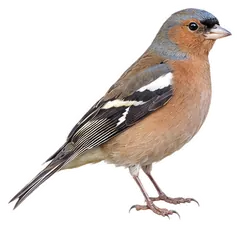 Eurasian ChaffinchFringilla coelebs
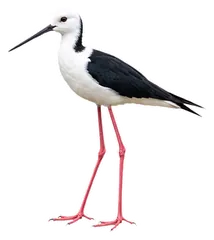 Pied StiltHimantopus leucocephalus
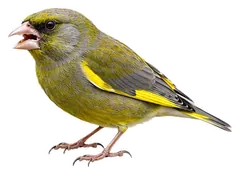 European GreenfinchChloris chloris
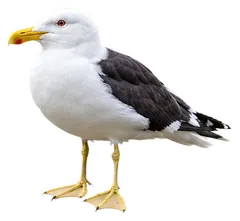 Kelp GullLarus dominicanus
34 species seen regularly here in November · showing the 14 most recorded. All 60 species recorded here ↓
Species seen regularly, by month
Species with 3 or more records in that month, all years combined.
Nearby hotspots
- Christchurch – Travis Wetland/Ōruapaeroa0 km70 species
- Styx Mill Walkway8 km59 species
- Christchurch – Botanic Gardens8 km59 species
- Avon-Heathcote Estuary Ihutai – McCormacks Bay Reserve8 km63 species
- Christchurch – Wigram Retention Basin12 km58 species
- Christchurch – Halswell Quarry Park16 km52 species
All 60 species recorded here
- Australasian Swamphen Porphyrio melanotus
- Paradise Shelduck Tadorna variegata
- Mallard Anas platyrhynchos
- Grey Teal Anas gracilis
- Canada Goose Branta canadensis
- Australasian Shoveler Spatula rhynchotis
- Welcome Swallow Hirundo neoxena
- New Zealand Scaup Aythya novaeseelandiae
- Common Blackbird Turdus merula
- Common Starling Sturnus vulgaris
- House Sparrow Passer domesticus
- Black Swan Cygnus atratus
- Masked Lapwing Vanellus miles
- Swamp Harrier Circus approximans
- New Zealand Fantail Rhipidura fuliginosa
- Eurasian Chaffinch Fringilla coelebs
- Silvereye Zosterops lateralis
- Grey Gerygone Gerygone igata
- Pied Stilt Himantopus leucocephalus
- Kelp Gull Larus dominicanus
- European Greenfinch Chloris chloris
- Great Cormorant Phalacrocorax carbo
- European Goldfinch Carduelis carduelis
- Song Thrush Turdus philomelos
- New Zealand Bellbird Anthornis melanura
- Dunnock Prunella modularis
- Australian Magpie Gymnorhina tibicen
- White-faced Heron Egretta novaehollandiae
- South Island Oystercatcher Haematopus finschi
- Brown Teal Anas chlorotis
- Royal Spoonbill Platalea regia
- Sacred Kingfisher Todiramphus sanctus
- Little Pied Cormorant Microcarbo melanoleucos
- Cape Barren Goose Cereopsis novaehollandiae
- Eurasian Skylark Alauda arvensis
- Rock Dove Columba livia
- Pacific Black Duck Anas superciliosa
- Silver Gull Chroicocephalus novaehollandiae
- Yellowhammer Emberiza citrinella
- Redpoll Acanthis flammea
- Australian Pied Cormorant Phalacrocorax varius
- Greylag Goose Anser anser
- Little Black Cormorant Phalacrocorax sulcirostris
- Mute Swan Cygnus olor
- Little Owl Athene noctua
- Muscovy Duck Cairina moschata
- California Quail Callipepla californica
- Chestnut Teal Anas castanea
- Eurasian Coot Fulica atra
- Shining Bronze Cuckoo Chalcites lucidus
- Black-billed Gull Chroicocephalus bulleri
- Black-fronted Dotterel Thinornis melanops
- African Collared Dove Streptopelia roseogrisea
- Great Crested Grebe Podiceps cristatus
- Variable Oystercatcher Haematopus unicolor
- Australasian Bittern Botaurus poiciloptilus
- Spotless Crake Zapornia tabuensis
- Great Egret Ardea alba
- Black-fronted Tern Chlidonias albostriatus
- Double-banded Plover Anarhynchus bicinctus
Most recorded first. Species we protect from disturbance aren't listed.
Questions
When is the best time to go birding at Travis Wetland – New Pond?
October–June and August. That's when the most species are seen regularly here, up to 35 in a month.
How many bird species have been seen at Travis Wetland – New Pond?
60 species, from 8,351 eBird records up to 2024-12-31.
What birds can I see at Travis Wetland – New Pond in November?
The most recorded in November: Australasian Swamphen, Canada Goose, Paradise Shelduck, Mallard and Common Blackbird.
eBird records via GBIF up to 2024-12-31. A record means someone listed it; more records partly mean more birders, not more birds.