 Bird Album
Japan · Tokyo
Chiyoda Ward – Imperial Palace – Hibiya Moat
62 species and 3,838 records in eBird up to 2024-12-31.
Best months: February–March and November, with up to 33 species seen regularly.
Seen here in November
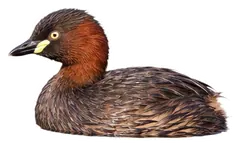 Little GrebeTachybaptus ruficollis
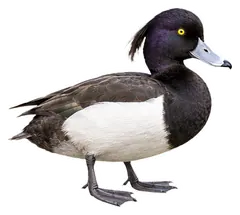 Tufted DuckAythya fuligula
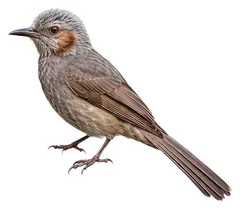 Brown-eared BulbulHypsipetes amaurotis
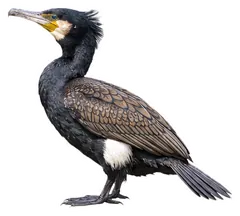 Great CormorantPhalacrocorax carbo
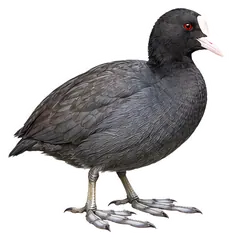 Eurasian CootFulica atra
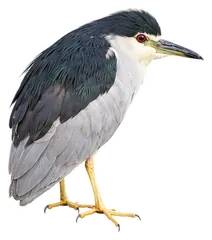 Black-crowned Night HeronNycticorax nycticorax
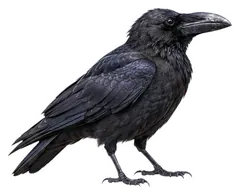 Large-billed CrowCorvus macrorhynchos
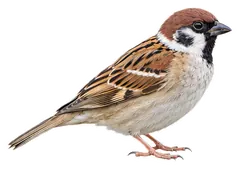 Eurasian Tree SparrowPasser montanus
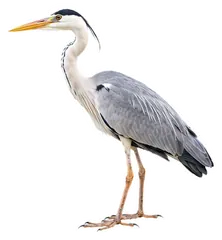 Grey HeronArdea cinerea
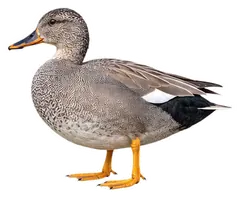 GadwallMareca strepera
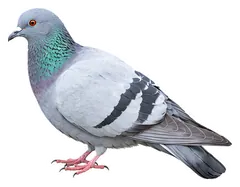 Rock DoveColumba livia
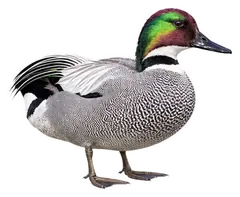 Falcated DuckMareca falcata
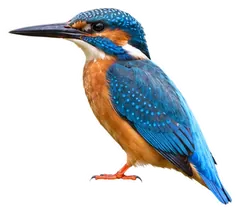 Common KingfisherAlcedo atthis
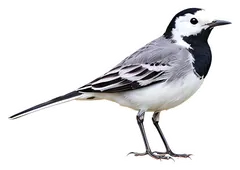 White WagtailMotacilla alba
31 species seen regularly here in November · showing the 14 most recorded. All 62 species recorded here ↓
Species seen regularly, by month
Species with 3 or more records in that month, all years combined.
Nearby hotspots
- Chiyoda Ward – Hibiya Park0 km83 species
- Chiyoda Ward – Imperial Palace – Sakurada Moat1 km80 species
- Chiyoda Ward – Imperial Palace – East Gardens1 km88 species
- Chuo Ward – Hamarikyu Gardens2 km102 species
- Chiyoda Ward – Imperial Palace – Kitanomaru Park2 km79 species
- Taito Ward – Ueno Park – Shinobazu Pond4 km88 species
All 62 species recorded here
- Little Grebe Tachybaptus ruficollis
- Great Cormorant Phalacrocorax carbo
- Brown-eared Bulbul Hypsipetes amaurotis
- Large-billed Crow Corvus macrorhynchos
- Eurasian Tree Sparrow Passer montanus
- Eurasian Coot Fulica atra
- Rock Dove Columba livia
- Tufted Duck Aythya fuligula
- Black-crowned Night Heron Nycticorax nycticorax
- Cinereous Tit Parus cinereus
- Grey Heron Ardea cinerea
- White Wagtail Motacilla alba
- Eastern Spot-billed Duck Anas zonorhyncha
- Mute Swan Cygnus olor
- Gadwall Mareca strepera
- Falcated Duck Mareca falcata
- White-cheeked Starling Spodiopsar cineraceus
- Warbling White-eye Zosterops japonicus
- Common Kingfisher Alcedo atthis
- Oriental Turtle Dove Streptopelia orientalis
- Black-headed Gull Chroicocephalus ridibundus
- Northern Shoveler Spatula clypeata
- Great Egret Ardea alba
- Dusky Thrush Turdus eunomus
- Little Egret Egretta garzetta
- Barn Swallow Hirundo rustica
- Eurasian Wigeon Mareca penelope
- Azure-winged Magpie Cyanopica cyanus
- Carrion Crow Corvus corone
- Mallard Anas platyrhynchos
- Japanese Pygmy Woodpecker Yungipicus kizuki
- Oriental Greenfinch Chloris sinica
- Eurasian Teal Anas crecca
- Slaty-backed Gull Larus schistisagus
- Japanese Bush Warbler Horornis diphone
- Varied Tit Sittiparus varius
- Black Kite Milvus migrans
- Vega Gull Larus vegae
- Eastern Buzzard Buteo japonicus
- Long-tailed Tit Aegithalos caudatus
- Pale Thrush Turdus pallidus
- Daurian Redstart Phoenicurus auroreus
- Grey Wagtail Motacilla cinerea
- House Swift Apus nipalensis
- Great Crested Grebe Podiceps cristatus
- Black-tailed Gull Larus crassirostris
- Bull-headed Shrike Lanius bucephalus
- Greater Scaup Aythya marila
- Eurasian Sparrowhawk Accipiter nisus
- Northern Pintail Anas acuta
- Lesser Black-backed Gull Larus fuscus
- Masked Bunting Emberiza personata
- Smew Mergellus albellus
- Glaucous Gull Larus hyperboreus
- Asian House Martin Delichon dasypus
- Common Gull Larus canus
- Coal Tit Periparus ater
- Common Goldeneye Bucephala clangula
- Common Moorhen Gallinula chloropus
- Common Kestrel Falco tinnunculus
- Eurasian Jay Garrulus glandarius
- Black Paradise Flycatcher Terpsiphone atrocaudata
Most recorded first. Species we protect from disturbance aren't listed.
Questions
When is the best time to go birding at Chiyoda Ward – Imperial Palace – Hibiya Moat?
February–March and November. That's when the most species are seen regularly here, up to 33 in a month.
How many bird species have been seen at Chiyoda Ward – Imperial Palace – Hibiya Moat?
62 species, from 3,838 eBird records up to 2024-12-31.
What birds can I see at Chiyoda Ward – Imperial Palace – Hibiya Moat in November?
The most recorded in November: Little Grebe, Tufted Duck, Brown-eared Bulbul, Great Cormorant and Eurasian Coot.
eBird records via GBIF up to 2024-12-31. A record means someone listed it; more records partly mean more birders, not more birds.