 Bird Album
South Africa · Western Cape
Kirstenhof Wetland
115 species and 11,519 records in eBird up to 2024-12-31.
Best months: December–January, March–June and August–October, with up to 52 species seen regularly.
Seen here in November
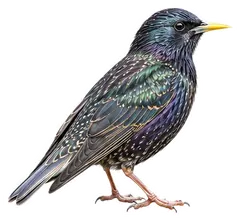 Common StarlingSturnus vulgaris
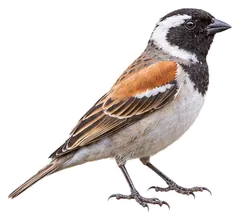 Cape SparrowPasser melanurus
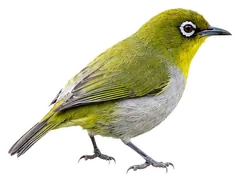 Cape White-eyeZosterops virens
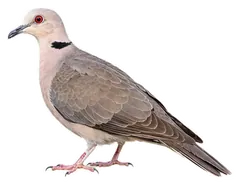 Red-eyed DoveStreptopelia semitorquata
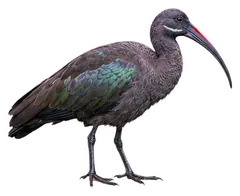 Hadada IbisBostrychia hagedash
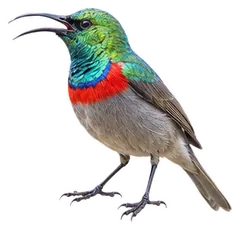 Southern Double-collared SunbirdCinnyris chalybeus
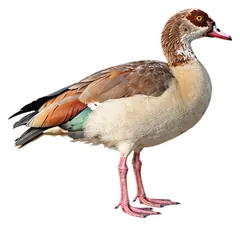 Egyptian GooseAlopochen aegyptiaca
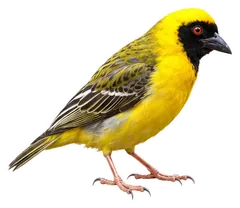 Southern Masked WeaverPloceus velatus
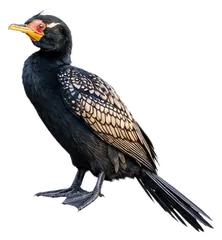 Reed CormorantMicrocarbo africanus
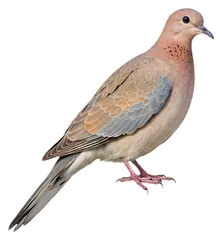 Laughing DoveSpilopelia senegalensis
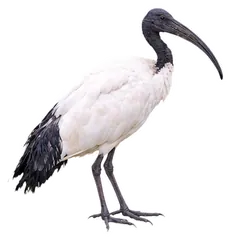 African Sacred IbisThreskiornis aethiopicus
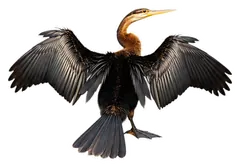 African DarterAnhinga rufa
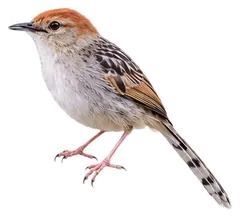 Levaillant's CisticolaCisticola tinniens
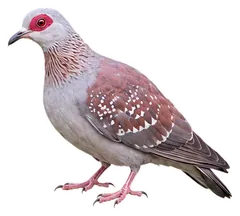 Speckled PigeonColumba guinea
39 species seen regularly here in November · showing the 14 most recorded. All 115 species recorded here ↓
Species seen regularly, by month
Species with 3 or more records in that month, all years combined.
Nearby hotspots
- Rondevlei NR4 km201 species
- Strandfontein WTP6 km244 species
- Kirstenbosch Botanical Garden10 km130 species
- Boulders Beach14 km156 species
- Intaka Island22 km146 species
- Table Mt. NP – Cape Point Section25 km186 species
All 115 species recorded here
- Cape White-eye Zosterops virens
- Red-eyed Dove Streptopelia semitorquata
- Laughing Dove Spilopelia senegalensis
- Hadada Ibis Bostrychia hagedash
- Southern Double-collared Sunbird Cinnyris chalybeus
- Common Starling Sturnus vulgaris
- Egyptian Goose Alopochen aegyptiaca
- Cape Bulbul Pycnonotus capensis
- Cape Sparrow Passer melanurus
- Southern Fiscal Lanius collaris
- African Sacred Ibis Threskiornis aethiopicus
- African Darter Anhinga rufa
- Cape Robin-Chat Dessonornis caffer
- Common Moorhen Gallinula chloropus
- Speckled Pigeon Columba guinea
- Reed Cormorant Microcarbo africanus
- Pied Crow Corvus albus
- Yellow-billed Duck Anas undulata
- Levaillant's Cisticola Cisticola tinniens
- Southern Masked Weaver Ploceus velatus
- White-backed Mousebird Colius colius
- Cape Weaver Ploceus capensis
- Common Waxbill Estrilda astrild
- Red-winged Starling Onychognathus morio
- Little Rush Warbler Bradypterus baboecala
- Pin-tailed Whydah Vidua macroura
- Olive Thrush Turdus olivaceus
- Cape Wagtail Motacilla capensis
- Karoo Prinia Prinia maculosa
- Rock Dove Columba livia
- Lesser Swamp Warbler Acrocephalus gracilirostris
- White-throated Swallow Hirundo albigularis
- Cape Canary Serinus canicollis
- Red-knobbed Coot Fulica cristata
- Red-faced Mousebird Urocolius indicus
- Kelp Gull Larus dominicanus
- Spur-winged Goose Plectropterus gambensis
- Western Cattle Egret Ardea ibis
- Greater Striped Swallow Cecropis cucullata
- Little Egret Egretta garzetta
- Fork-tailed Drongo Dicrurus adsimilis
- Blacksmith Lapwing Vanellus armatus
- Barn Swallow Hirundo rustica
- Eurasian Chaffinch Fringilla coelebs
- Black Sparrowhawk Astur melanoleucus
- Grey Heron Ardea cinerea
- Malachite Kingfisher Corythornis cristatus
- White-rumped Swift Apus caffer
- African Spoonbill Platalea alba
- Black-headed Heron Ardea melanocephala
- Brimstone Canary Crithagra sulphurata
- Cape Spurfowl Pternistis capensis
- House Sparrow Passer domesticus
- African Harrier-Hawk Polyboroides typus
- Hartlaub's Gull Chroicocephalus hartlaubii
- Black Kite Milvus migrans
- Peregrine Falcon Falco peregrinus
- Bokmakierie Telophorus zeylonus
- Yellow Bishop Euplectes capensis
- Purple Heron Ardea purpurea
- African Fish Eagle Icthyophaga vocifer
- African Black Swift Apus barbatus
- Jackal Buzzard Buteo rufofuscus
- Alpine Swift Tachymarptis melba
- Common Reed Warbler Acrocephalus scirpaceus
- White-necked Raven Corvus albicollis
- Great Cormorant Phalacrocorax carbo
- Mallard Anas platyrhynchos
- Amethyst Sunbird Chalcomitra amethystina
- Cape Shoveler Spatula smithii
- Helmeted Guineafowl Numida meleagris
- Ring-necked Dove Streptopelia capicola
- Booted Eagle Hieraaetus pennatus
- Malachite Sunbird Nectarinia famosa
- Common Buzzard Buteo buteo
- Rufous-breasted Sparrowhawk Accipiter rufiventris
- Spotted Thick-knee Burhinus capensis
- Klaas's Cuckoo Chrysococcyx klaas
- Rock Kestrel Falco rupicolus
- Black-winged Kite Elanus caeruleus
- Yellow-billed Egret Ardea brachyrhyncha
- Little Swift Apus affinis
- Greater Crested Tern Thalasseus bergii
- Pied Kingfisher Ceryle rudis
- Orange-breasted Sunbird Anthobaphes violacea
- Speckled Mousebird Colius striatus
- African Paradise Flycatcher Terpsiphone viridis
- Red-billed Teal Anas erythrorhyncha
- Black-crowned Night Heron Nycticorax nycticorax
- African Dusky Flycatcher Muscicapa adusta
- Brown-throated Martin Riparia paludicola
- Grey-headed Gull Chroicocephalus cirrocephalus
- Caspian Tern Hydroprogne caspia
- Crowned Lapwing Vanellus coronatus
- Giant Kingfisher Megaceryle maxima
- African Goshawk Aerospiza tachiro
- Black-winged Stilt Himantopus himantopus
- Southern Pochard Netta erythrophthalma
- Greater Flamingo Phoenicopterus roseus
- Pied Avocet Recurvirostra avosetta
- Little Grebe Tachybaptus ruficollis
- White-winged Tern Chlidonias leucopterus
- Common Tern Sterna hirundo
- Sandwich Tern Thalasseus sandvicensis
- Cape Teal Anas capensis
- Spotted Eagle-Owl Bubo africanus
- Water Thick-knee Burhinus vermiculatus
- African Marsh Harrier Circus ranivorus
- Whiskered Tern Chlidonias hybrida
- European Honey Buzzard Pernis apivorus
- Acacia Pied Barbet Tricholaema leucomelas
- Southern Red Bishop Euplectes orix
- Black Saw-wing Psalidoprocne pristoptera
- Blue-billed Teal Spatula hottentota
- Burchell's Coucal Centropus burchellii
Most recorded first. Species we protect from disturbance aren't listed.
Questions
When is the best time to go birding at Kirstenhof Wetland?
December–January, March–June and August–October. That's when the most species are seen regularly here, up to 52 in a month.
How many bird species have been seen at Kirstenhof Wetland?
115 species, from 11,519 eBird records up to 2024-12-31.
What birds can I see at Kirstenhof Wetland in November?
The most recorded in November: Common Starling, Cape Sparrow, Cape White-eye, Red-eyed Dove and Hadada Ibis.
eBird records via GBIF up to 2024-12-31. A record means someone listed it; more records partly mean more birders, not more birds.