 Bird Album
New Zealand · Tasman District
Motueka Sandspit - Quay Entrance
80 species and 4,631 records in eBird up to 2024-12-31.
Best months: February–March, June and November–December, with up to 39 species seen regularly.
Seen here in November
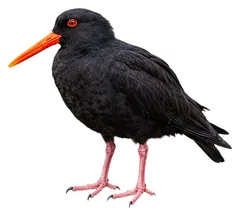 Variable OystercatcherHaematopus unicolor
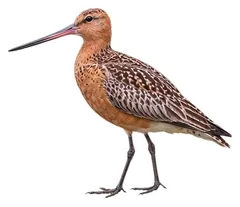 Bar-tailed GodwitLimosa lapponica
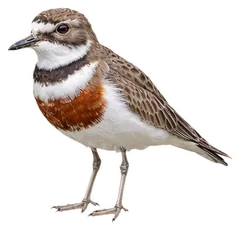 Double-banded PloverAnarhynchus bicinctus
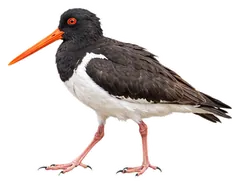 South Island OystercatcherHaematopus finschi
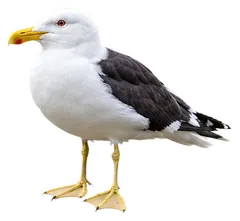 Kelp GullLarus dominicanus
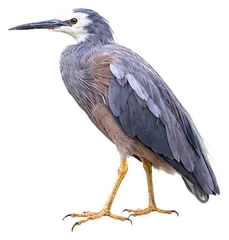 White-faced HeronEgretta novaehollandiae
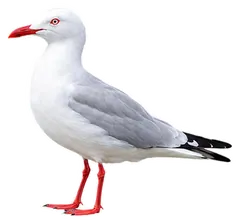 Silver GullChroicocephalus novaehollandiae
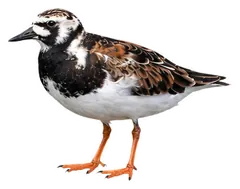 Ruddy TurnstoneArenaria interpres
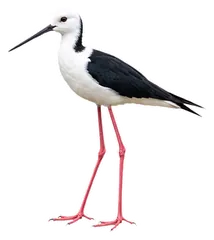 Pied StiltHimantopus leucocephalus
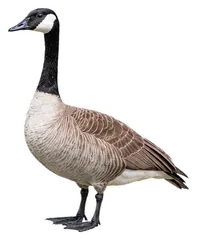 Canada GooseBranta canadensis
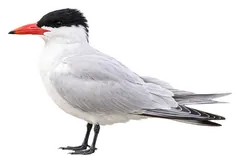 Caspian TernHydroprogne caspia
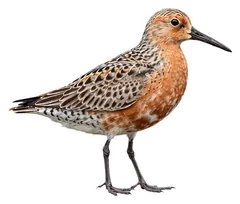 Red KnotCalidris canutus
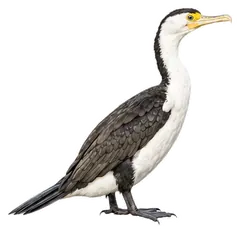 Australian Pied CormorantPhalacrocorax varius
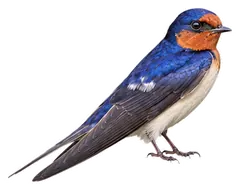 Welcome SwallowHirundo neoxena
39 species seen regularly here in November · showing the 14 most recorded. All 80 species recorded here ↓
Species seen regularly, by month
Species with 3 or more records in that month, all years combined.
Nearby hotspots
- Abel Tasman NP – Marahau Estuary13 km83 species
All 80 species recorded here
- Variable Oystercatcher Haematopus unicolor
- Bar-tailed Godwit Limosa lapponica
- South Island Oystercatcher Haematopus finschi
- Kelp Gull Larus dominicanus
- Pied Stilt Himantopus leucocephalus
- Double-banded Plover Anarhynchus bicinctus
- White-faced Heron Egretta novaehollandiae
- Caspian Tern Hydroprogne caspia
- Silver Gull Chroicocephalus novaehollandiae
- Ruddy Turnstone Arenaria interpres
- Australian Pied Cormorant Phalacrocorax varius
- Red Knot Calidris canutus
- White-fronted Tern Sterna striata
- Welcome Swallow Hirundo neoxena
- Wrybill Anarhynchus frontalis
- Black-fronted Tern Chlidonias albostriatus
- Sacred Kingfisher Todiramphus sanctus
- Masked Lapwing Vanellus miles
- Australasian Gannet Morus serrator
- House Sparrow Passer domesticus
- Little Pied Cormorant Microcarbo melanoleucos
- Black-billed Gull Chroicocephalus bulleri
- Mallard Anas platyrhynchos
- Paradise Shelduck Tadorna variegata
- Eurasian Skylark Alauda arvensis
- Swamp Harrier Circus approximans
- Eurasian Whimbrel Numenius phaeopus
- Common Blackbird Turdus merula
- European Goldfinch Carduelis carduelis
- Canada Goose Branta canadensis
- Song Thrush Turdus philomelos
- Tui Prosthemadera novaeseelandiae
- Eurasian Chaffinch Fringilla coelebs
- Yellowhammer Emberiza citrinella
- Spotted Shag Phalacrocorax punctatus
- Royal Spoonbill Platalea regia
- Australasian Swamphen Porphyrio melanotus
- Common Starling Sturnus vulgaris
- Great Cormorant Phalacrocorax carbo
- European Greenfinch Chloris chloris
- Silvereye Zosterops lateralis
- New Zealand Fantail Rhipidura fuliginosa
- Grey Teal Anas gracilis
- Australian Tern Gelochelidon macrotarsa
- Little Tern Sternula albifrons
- Little Black Cormorant Phalacrocorax sulcirostris
- Dunnock Prunella modularis
- California Quail Callipepla californica
- New Zealand Bellbird Anthornis melanura
- Rock Dove Columba livia
- Fluttering Shearwater Puffinus gavia
- Grey Gerygone Gerygone igata
- Cape Barren Goose Cereopsis novaehollandiae
- Pacific Reef Heron Egretta sacra
- Black Swan Cygnus atratus
- Parasitic Jaeger Stercorarius parasiticus
- New Zealand Pigeon Hemiphaga novaeseelandiae
- New Zealand Pipit Anthus novaeseelandiae
- Australasian Shoveler Spatula rhynchotis
- New Zealand Falcon Falco novaeseelandiae
- Terek Sandpiper Xenus cinereus
- Asian Dowitcher Limnodromus semipalmatus
- Black-tailed Godwit Limosa limosa
- Redpoll Acanthis flammea
- Little Owl Athene noctua
- Black Stilt Himantopus novaezelandiae
- Shining Bronze Cuckoo Chalcites lucidus
- New Zealand Kaka Nestor meridionalis
- Pomarine Jaeger Stercorarius pomarinus
- Baillon's Crake Zapornia pusilla
- Kea Nestor notabilis
- Common Pheasant Phasianus colchicus
- Northern Giant Petrel Macronectes halli
- New Zealand Scaup Aythya novaeseelandiae
- Pacific Golden Plover Pluvialis fulva
- Westland Petrel Procellaria westlandica
- Pacific Black Duck Anas superciliosa
- Black-fronted Dotterel Thinornis melanops
- Common Tern Sterna hirundo
- Cirl Bunting Emberiza cirlus
Most recorded first. Species we protect from disturbance aren't listed.
Questions
When is the best time to go birding at Motueka Sandspit - Quay Entrance?
February–March, June and November–December. That's when the most species are seen regularly here, up to 39 in a month.
How many bird species have been seen at Motueka Sandspit - Quay Entrance?
80 species, from 4,631 eBird records up to 2024-12-31.
What birds can I see at Motueka Sandspit - Quay Entrance in November?
The most recorded in November: Variable Oystercatcher, Bar-tailed Godwit, Double-banded Plover, South Island Oystercatcher and Kelp Gull.
eBird records via GBIF up to 2024-12-31. A record means someone listed it; more records partly mean more birders, not more birds.